Ctrl K
1783–1872
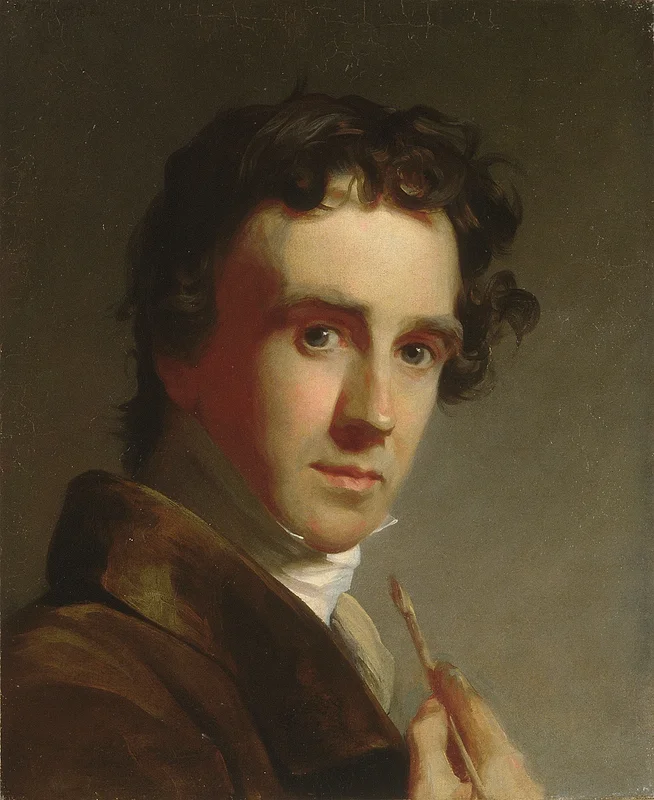
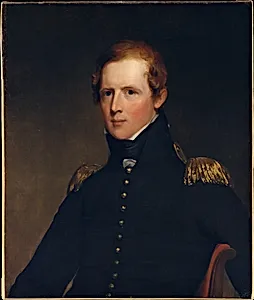
Thomas Sully, born on June 19, 1783, in Horncastle, Lincolnshire, England, to actor parents Matthew Sully and Sarah Chester, emigrated with his family to Charleston, South Carolina, in 1792. Raised in a theatrical environment, young Thomas debuted as a tumbler at age 11 before discovering his artistic talent. He studied miniature painting with his brother Lawrence Sully, brother-in-law Jean Belzons, and schoolmate Charles Fraser, all accomplished miniaturists, honing his skills in Charleston and later Norfolk, Virginia, where he began his professional career at age 18 in 1801.
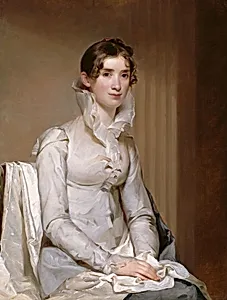
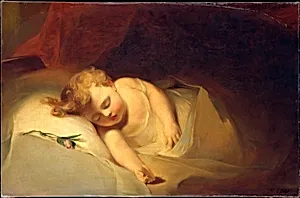
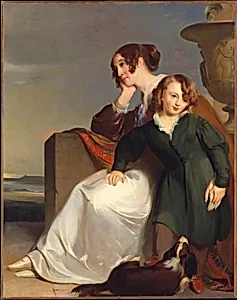
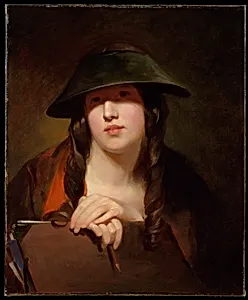
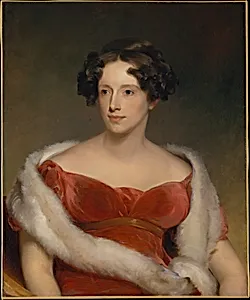
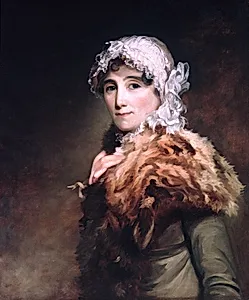
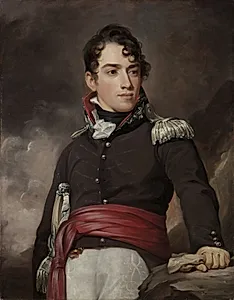
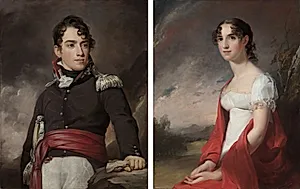
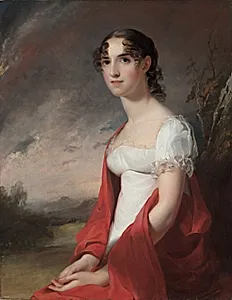
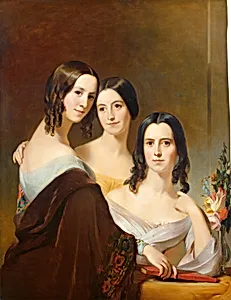
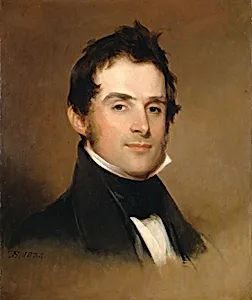
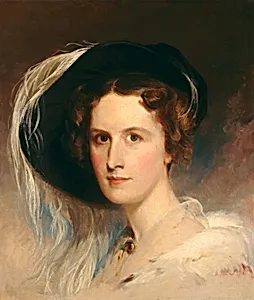
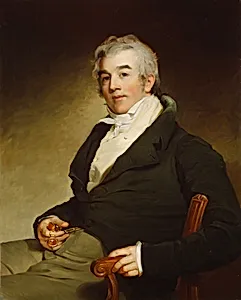
In 1806, Sully moved to New York and then Philadelphia in 1808, where he settled permanently, becoming a naturalized U.S. citizen in 1809. He briefly studied portraiture under Gilbert Stuart in Boston for three weeks in 1807 and spent nine transformative months in London from 1808 to 1809 under Benjamin West, president of the Royal Academy, absorbing influences from British masters like Thomas Lawrence, who earned him the moniker "the Sir Thomas Lawrence of America." His elegant, romantically warm portraits emphasized luminous color, fluid brushwork, and flattering poses, particularly of women, blending economy of form with emotional depth. Elected an academician of the Pennsylvania Academy of the Fine Arts in 1812, he succeeded Charles Willson Peale as Philadelphia's leading portraitist after 1827.
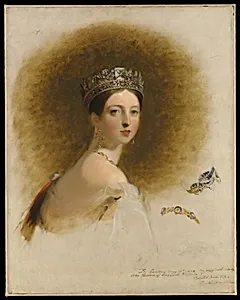
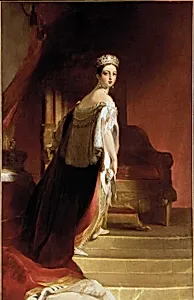
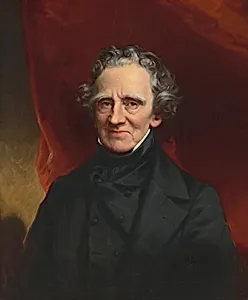
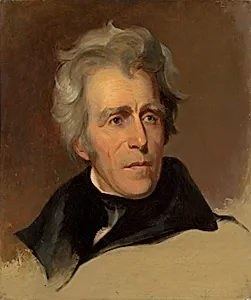
Sully's oeuvre includes over 2,300 paintings, among them iconic works like *The Passage of the Delaware* (1819, Museum of Fine Arts, Boston), *The Torn Hat* (1820), portraits of Thomas Jefferson (1821), John Quincy Adams (1824), Andrew Jackson (1824, later adapted for currency), the Marquis de Lafayette (c. 1824–1825), *Lady with a Harp: Eliza Ridgely* (1818, National Gallery of Art), and his triumphant full-length *Portrait of Queen Victoria* (1838), painted in London with his daughter Blanche posing as stand-in. In 1805, he married his widowed sister-in-law Sarah Annis Sully, raising her children alongside their own, including artist Mary Chester Sully, who wed his protégé John Neagle, whom Sully mentored alongside Jacob Eichholtz and others.
Sully's prolific seven-decade career shaped American portraiture, filling museums worldwide with his vibrant likenesses of luminaries. His 1843 *Hints to Young Painters* endures as a pedagogical gem, cementing his legacy as a patriarch of the field, with descendants like granddaughter Mary Sully continuing the artistic lineage.