1727–1804
Occupations
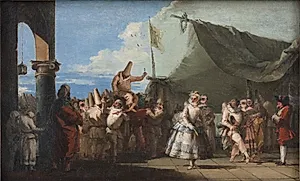
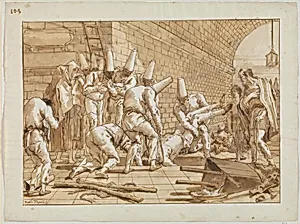
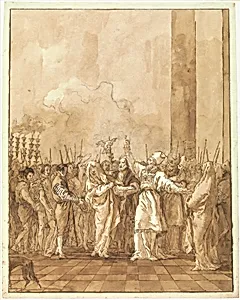
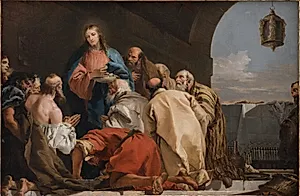
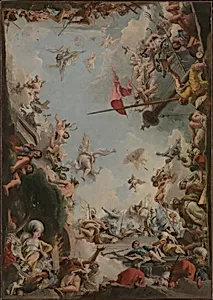
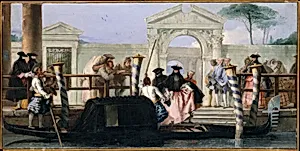
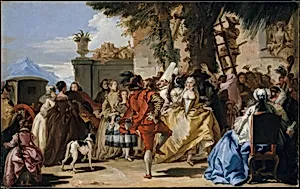
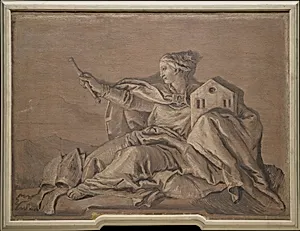
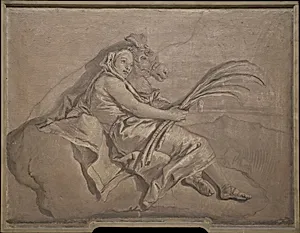
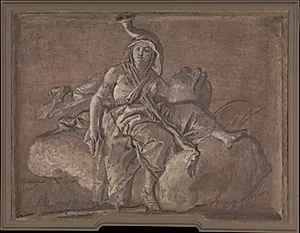
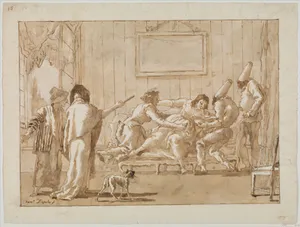
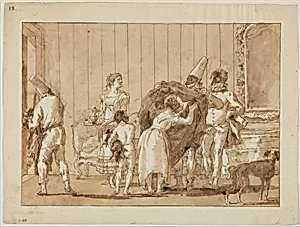
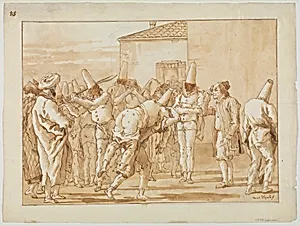
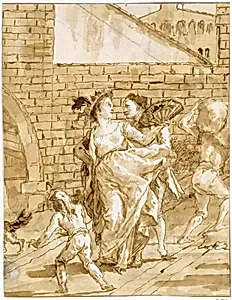
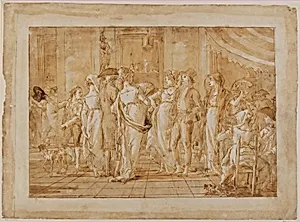
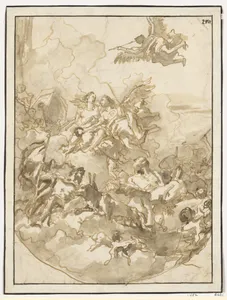
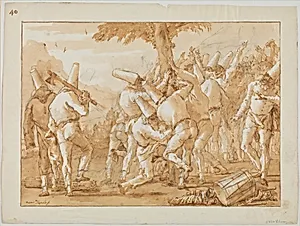
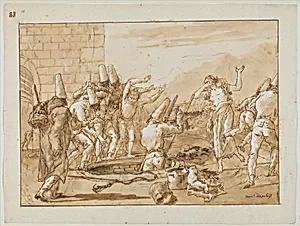
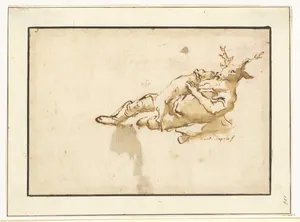
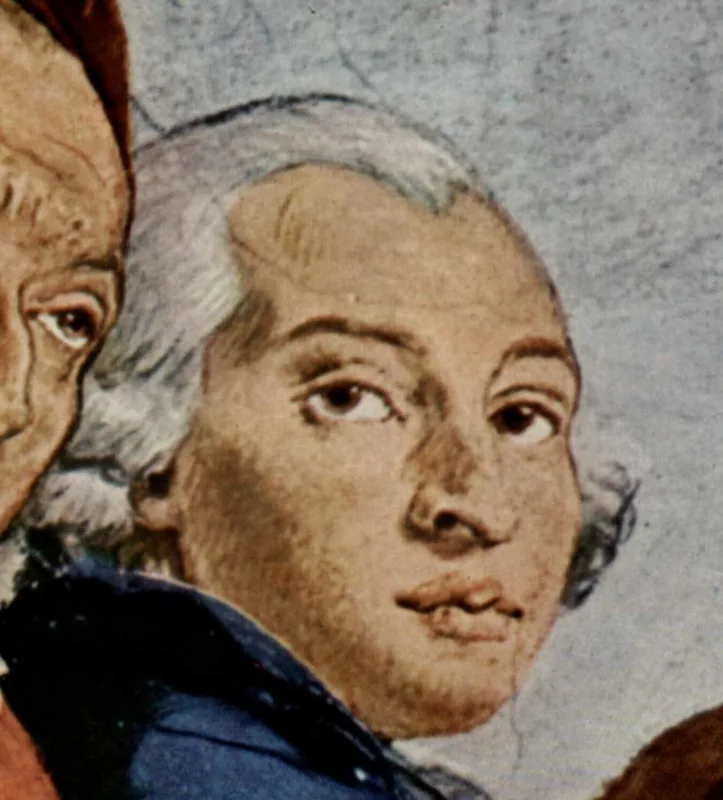
Giovanni Domenico Tiepolo (1727-1804) was a Venetian painter, printmaker, and draftsman whose career spanned the twilight of the Rococo era and marked a crucial transition toward more naturalistic artistic expression in 18th-century Italy. Born on August 30, 1727 in Venice as the eldest son of the celebrated Giovanni Battista Tiepolo, he worked both in his father's monumental shadow and as a significant independent artist who developed a distinctly earthbound and humanistic vision. While Giovanni Domenico initially gained recognition as his father's chief assistant from age thirteen, his importance in art history extends far beyond this collaborative role. He represents a pivotal shift from the grandiose allegorical traditions of the Baroque and Rococo toward more accessible, secular subject matter that anticipated later developments in European art. His work bridges the gap between his father's theatrical magnificence and the emerging interest in everyday life and contemporary society that would characterize the coming century. Domenico's career developed through distinct phases. At twenty, he received his first major independent commission for the Stations of the Cross at San Polo in Venice, demonstrating early mastery of religious narrative. He assisted his father on monumental projects including the celebrated stairwell frescoes at Würzburg (1751-1753), the Villa Valmarana ai Nani in Vicenza (1757), and the Royal Palace in Madrid for Charles III of Spain (1762-1770). After his father's death in 1770, Domenico returned to Venice and underwent a profound artistic transformation. Following a fifteen-year hiatus, he emerged with a radically different approach, abandoning mythological grandeur for genre scenes, contemporary life, and theatrical subjects. His mature style demonstrated remarkable versatility across media. As a painter, he favored more straightforward compositions than his father, with careful attention to naturalistic detail and atmospheric effects. His technique in drawing proved particularly innovative, using pen and ink outlines with layers of warm brown wash to create luminous tonal contrasts and spatial depth. He excelled as a printmaker in etching, often reproducing both his own and his father's paintings. His most distinctive works include the Punchinello series of 104 drawings from the 1790s, depicting the commedia dell'arte character in elaborate, humorous scenes that offered witty social commentary, and the frescoes from his villa at Zianigo (now in Venice's Civico Museo Correr) celebrating Venetian contemporary life. Giovanni Domenico Tiepolo's legacy lies in his courage to step beyond his father's aesthetic while honoring his technical inheritance. His turn toward genre painting, theatrical subjects, and drawings created for personal pleasure rather than commission anticipated Romantic individualism. Today, his works in major institutions including the National Gallery London, the Getty Museum, and the Louvre are celebrated for their technical mastery, narrative inventiveness, and their historically significant pivot from allegorical grandeur toward the observation of everyday human experience.
Artist Overview Writer Agent
Last updated: January 2025
Biography length: ~456 words
Wikidata/Wikimedia Commons