Ctrl K
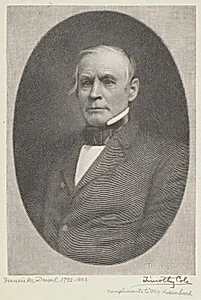
1852–1931
Timothy Cole (1852–1931) was one of the most celebrated wood engravers of the nineteenth and early twentieth centuries, renowned for his extraordinary ability to translate the tonal richness of Old Master paintings into the exacting medium of engraved wood. Born in London, England, Cole emigrated with his family to the United States in 1858. He began his career as a wood engraver in Chicago, but the Great Chicago Fire of 1871 destroyed his home and drove him to relocate to New York City, where he established himself among the leading practitioners of his craft.
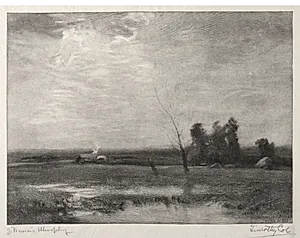
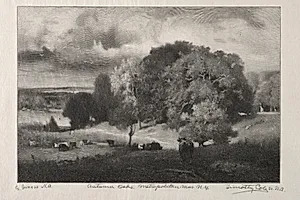
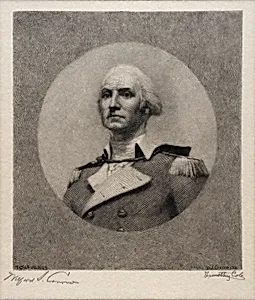
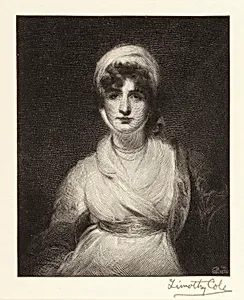
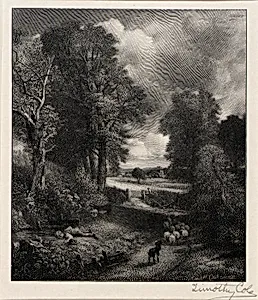
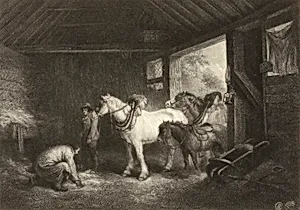
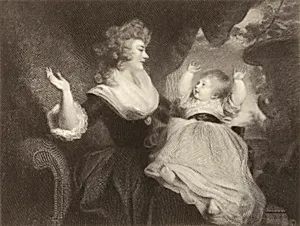
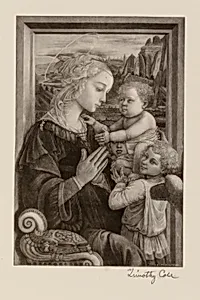
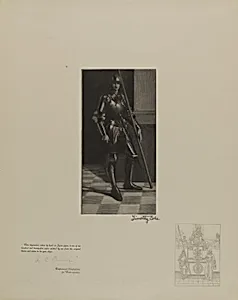
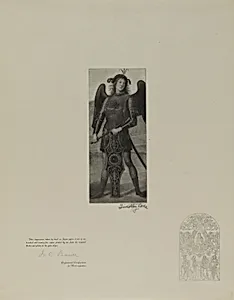
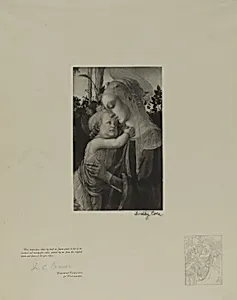
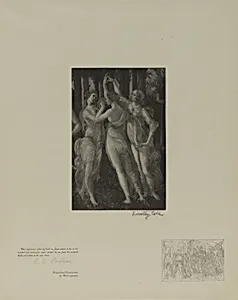
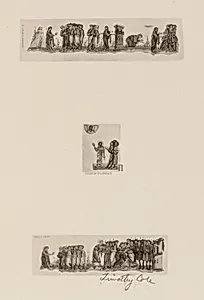
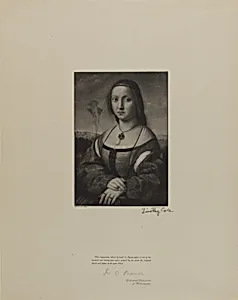
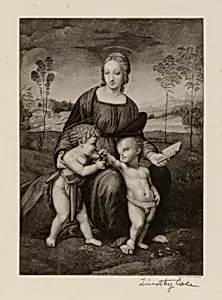
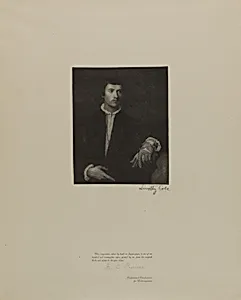
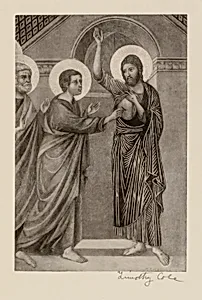
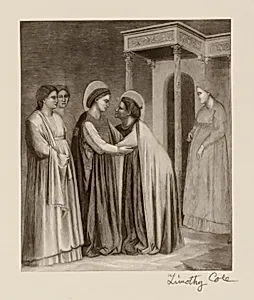
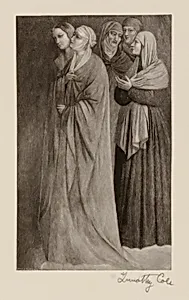
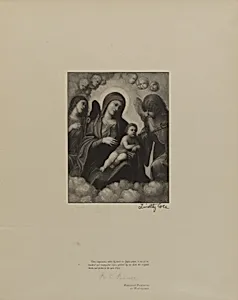
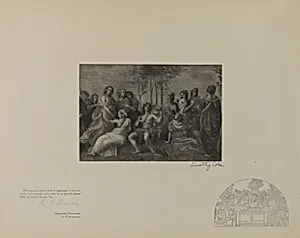
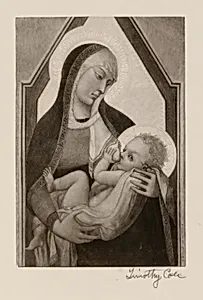
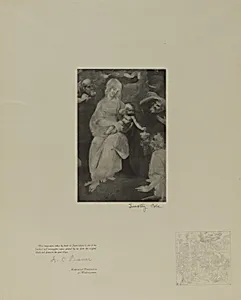
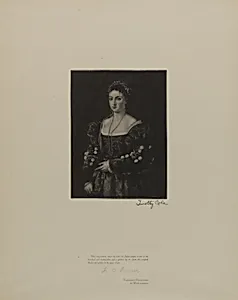
Cole's reputation rested on his exceptional technique: rather than reducing a painting to a mechanical facsimile, he interpreted its tonal range with a sensitivity that set his work apart from other engravers of the period. In 1883, Century Magazine commissioned him to travel to Europe and produce wood engravings of celebrated Old Master paintings in European collections. Cole would spend the next twenty-eight years abroad, producing more than three hundred engravings after works by artists ranging from Rembrandt to Velázquez. Among his most admired reproductions were The Haywain, after John Constable, and The Mill, after Rembrandt van Rijn, the latter now in the National Gallery of Art. These works were serialized in Century Magazine and reached an enormous American readership, serving as a primary means by which the public encountered European masterpieces.
Cole's achievements were recognized with a medal of the first class at the Paris Exhibition of 1900 and the grand prize for wood engraving at the Louisiana Purchase Exposition in St. Louis in 1904. He was elected an Associate of the National Academy of Design in 1906 and a full Academician in 1908. His career stands as a bridge between the Victorian tradition of reproductive engraving and the modern age of photographic reproduction, preserving a craft of extraordinary refinement at the very moment it was being superseded by mechanical processes.