Ctrl K
1840
Timothy H. O'Sullivan (c. 1840–1882) was a pioneering American photographer whose unflinching lens captured the raw devastation of the Civil War and the sublime vastness of the untamed West. Born in New York City—or possibly Ireland, with his family migrating soon after—his early life remains sparsely documented. As a teenager, he apprenticed under Mathew Brady at the famed daguerreotype studio on Fulton Street in New York, later moving to Brady's Washington, D.C., gallery managed by Alexander Gardner, who became another key mentor.
O'Sullivan's breakthrough came during the Civil War (1861–1865), where he documented battlefields with stark realism as part of Brady's and then Gardner's teams. His images in Gardner's *Photographic Sketch Book of the War* (1866) conveyed war's horrors, including the iconic *A Harvest of Death, Gettysburg, Pennsylvania* (July 1863), showing rows of Confederate dead sprawled across a field, and *Dead Confederate Sharpshooter in the Devil's Den* (1863), a haunting portrait amid Little Round Top's rocks. He also photographed the Siege of Petersburg (1864), Fort Fisher (1865), and even Robert E. Lee's surrender at Appomattox, pioneering photojournalism that stripped away romanticism.
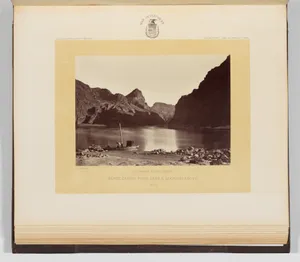
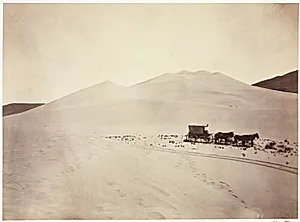
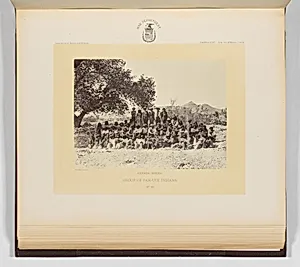
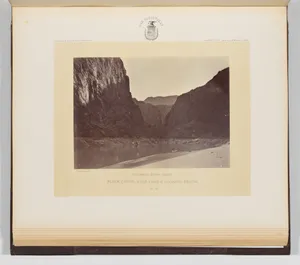
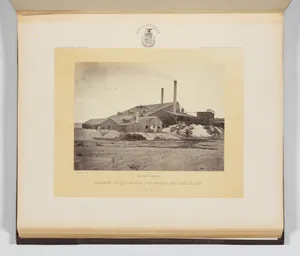
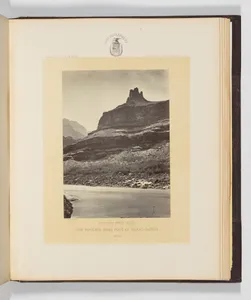
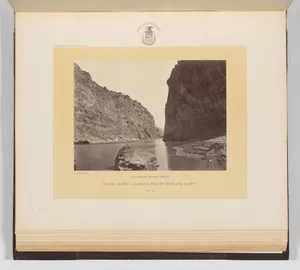
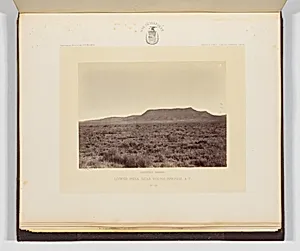
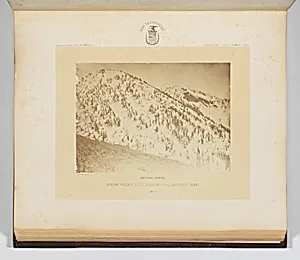
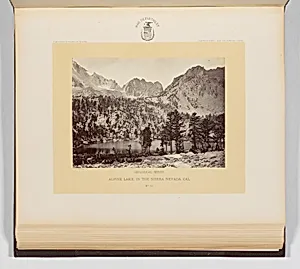
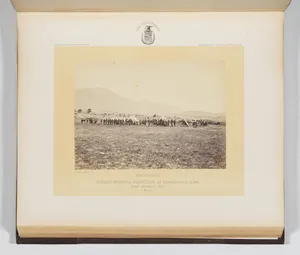
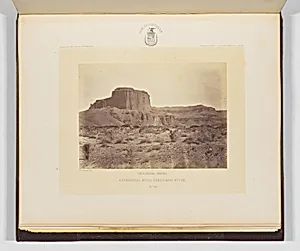
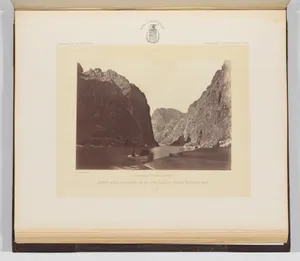
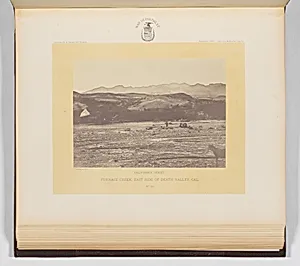
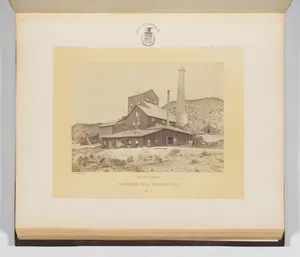
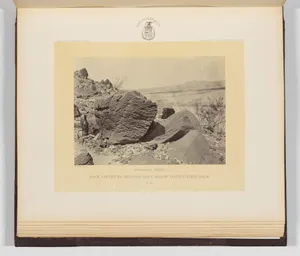
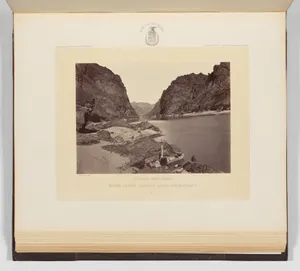
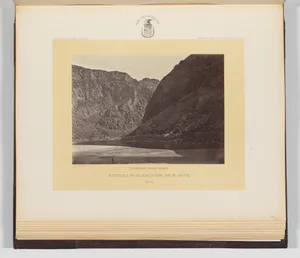
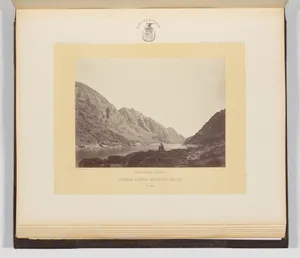
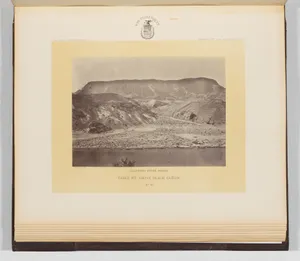
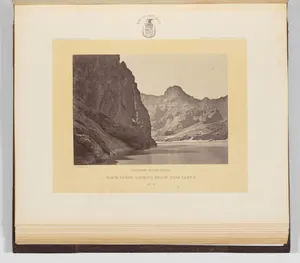
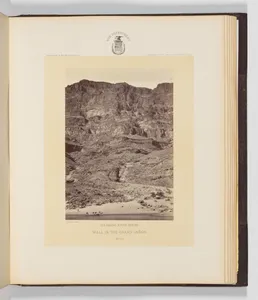
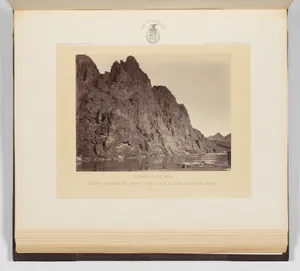
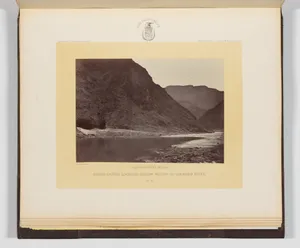
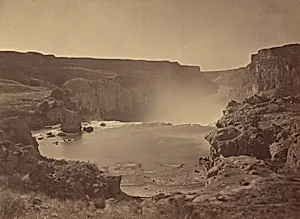
After the war, O'Sullivan turned to scientific exploration, serving as official photographer for Clarence King's Geological Exploration of the Fortieth Parallel (1867–1872), capturing Nevada mines, Shoshone Falls (1868), and geologic wonders. He joined Lt. George M. Wheeler's survey west of the 100th meridian (1871–1874), producing masterpieces like *Ancient Ruins in the Cañon de Chelle, Arizona* (White House Ruins, 1873), *Inscription Rock, N.M.* (1873), and *Pueblo de San Juan, New Mexico* (1874). These works blended precise documentation with artistic evocation of the West's grandeur, free from landscape painting conventions.
In his later years, O'Sullivan photographed for the U.S. Geological Survey and Treasury Department until tuberculosis claimed him at age 42 on Staten Island. Working in the documentary tradition of Brady's studio, his rigorous style—marrying science and sublime beauty—influenced geophotography and Western imagery. Honored with O'Sullivan Peak in Utah and induction into the International Photography Hall of Fame (1986), his 52 works in collections endure as vital records of America's formative struggles and frontiers.