Ctrl K
1840–1882
Timothy H. O'Sullivan (c. 1840–1882) emerged as one of America's pioneering photographers during a transformative era. His early life remains sparsely documented, with records suggesting he was born either in New York City or Ireland before immigrating young, possibly growing up on Staten Island. As a teenager, he apprenticed under Mathew Brady at his Fulton Street gallery in New York, mastering wet-plate collodion techniques amid the bustling daguerreotype scene. He later joined Alexander Gardner's Washington, D.C., studio, where Gardner served as his mentor, honing skills in field photography and map reproduction.
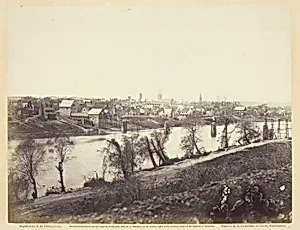
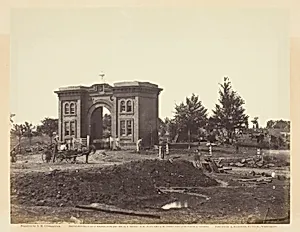
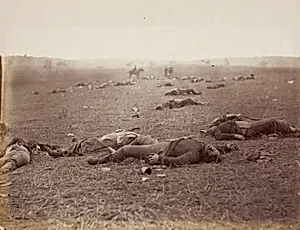
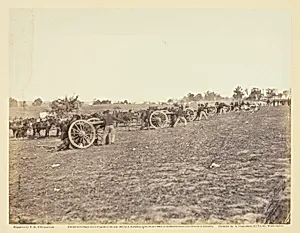
O'Sullivan's reputation solidified through his harrowing Civil War documentation, beginning in 1861 with Brady's team and continuing under Gardner. He captured the unvarnished brutality of battlefields, producing iconic images like *A Harvest of Death, Gettysburg, Pennsylvania* (1863), depicting rows of Confederate dead amid golden wheat, and *Home of a Rebel Sharpshooter, Gettysburg* (1863), a staged yet poignant view of a fallen soldier in Devil's Den. Forty-four of his photographs appeared in Gardner's seminal *Photographic Sketch Book of the War* (1866), conveying the psychological toll of conflict without romanticism.
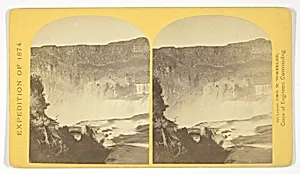
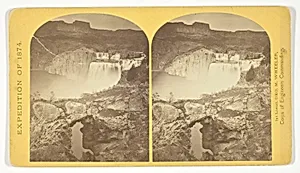
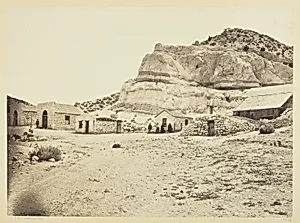
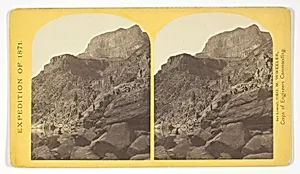
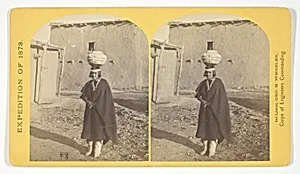
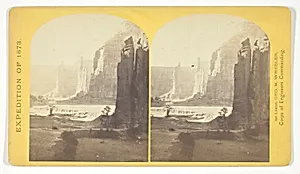
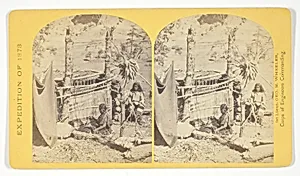
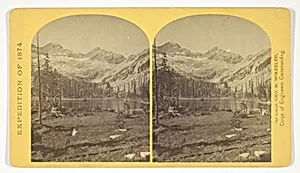
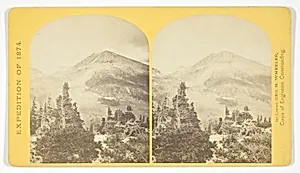
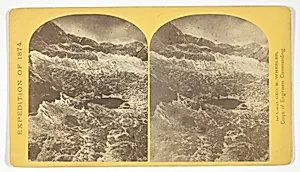
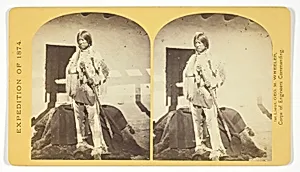
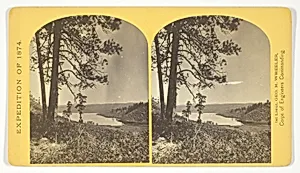
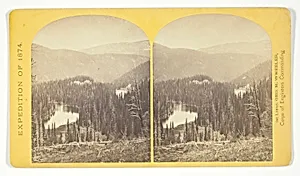
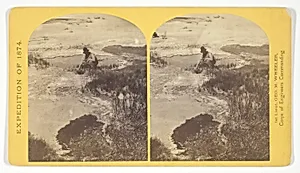
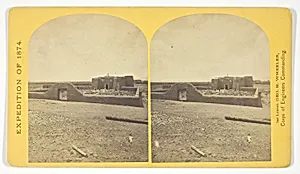
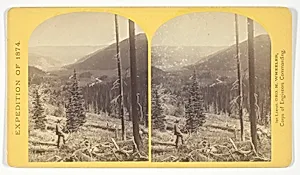
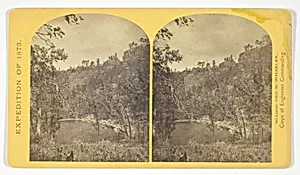
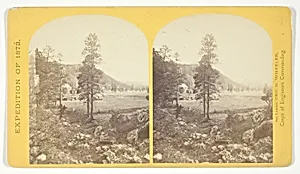
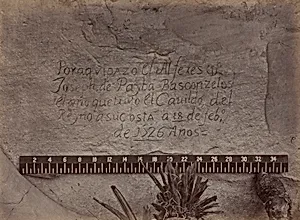
Postwar, O'Sullivan worked in the burgeoning tradition of geophotography, blending scientific precision with artistic vision during major surveys. From 1867 to 1872, he documented Clarence King's Geological Exploration of the Fortieth Parallel, photographing Nevada mines and Shoshone Falls. With Lt. George M. Wheeler's surveys (1871–1874), he ventured into the Southwest and Grand Canyon, producing masterpieces such as *Ancient Ruins in the Cañon de Chelle* (1873), framing Anasazi cliff dwellings against dramatic red rock vistas, and *Pueblo San Juan, New Mexico* (1874). His rigorous, unromanticized style emphasized precipitous perspectives and the West's raw, untamed beauty, pioneering objective landscape records that influenced future documentary work.
In his final years, O'Sullivan served as the first official photographer for the U.S. Geological Survey and briefly chief photographer for the Treasury Department before succumbing to tuberculosis on January 14, 1882, in Staten Island. His 124 known artworks in our collection testify to his enduring legacy: a master who humanized war's horrors and immortalized the American frontier, earning induction into the International Photography Hall of Fame and inspiring generations with his forthright gaze on history's frontiers.