Tomás Harris (1908–1964) was a British art dealer, intelligence officer, and artist of Spanish-Jewish heritage whose life moved between the worlds of art and espionage with remarkable fluidity. Born in London to a Spanish father who ran a successful art gallery dealing in Spanish Old Masters, Harris grew up steeped in the art market and developed deep expertise in Spanish painting, particularly Goya and Murillo. He worked alongside his father in the family business, gaining a connoisseur's knowledge of the Spanish school that would later distinguish him professionally.
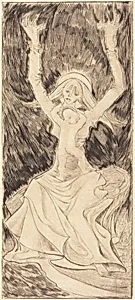
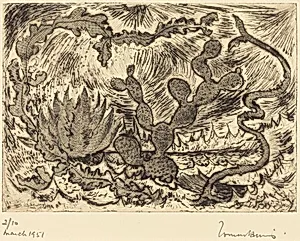
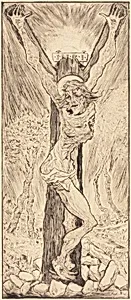
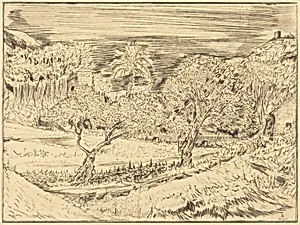
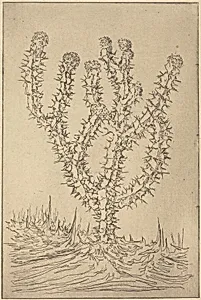
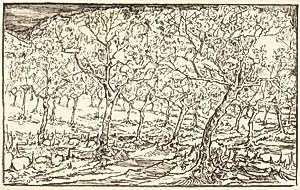
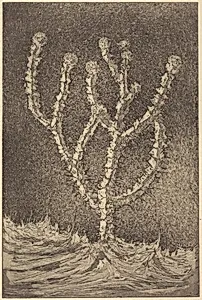
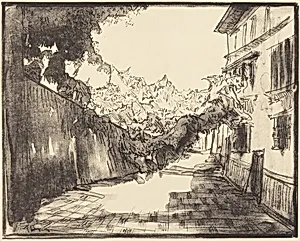
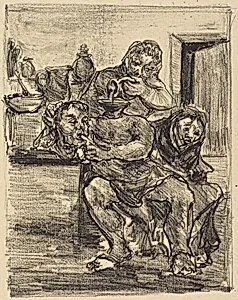
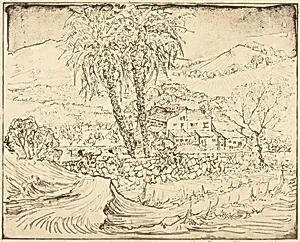
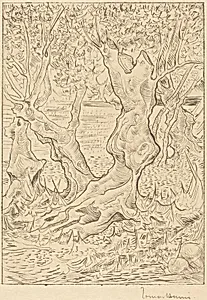
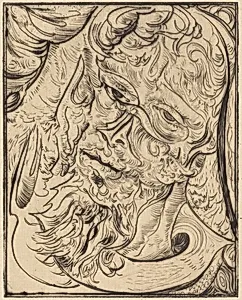
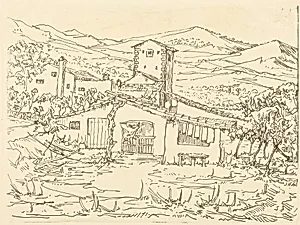
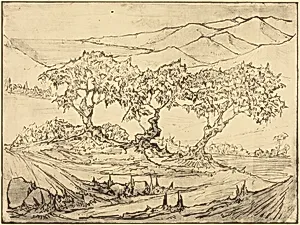
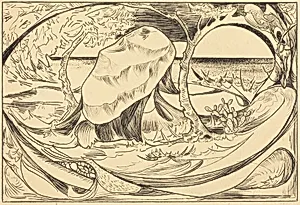
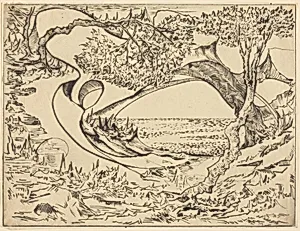
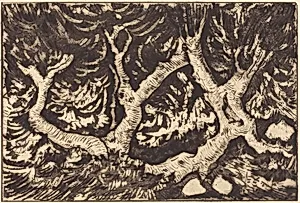
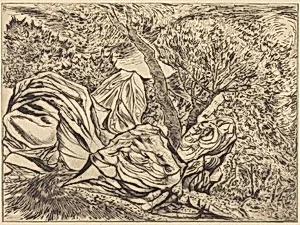
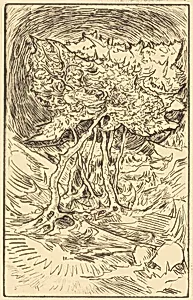
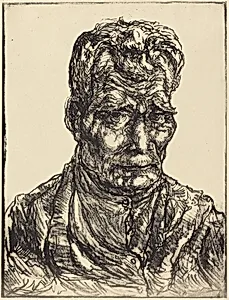
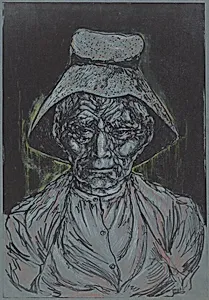
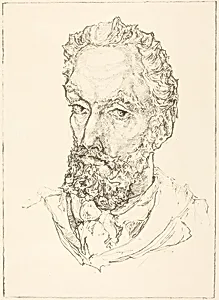
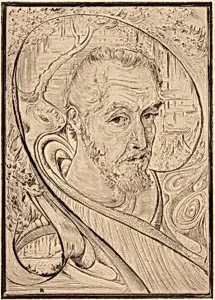
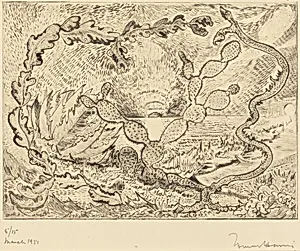
Harris also pursued his own practice as a painter and etcher, though it is his work as an art dealer and his role in British intelligence during the Second World War that have attracted the most scholarly attention. During the war he served with MI5 and was the case officer for one of the most celebrated double agents of the conflict, a role that placed him at the center of major Allied deception operations. His combination of social brilliance, artistic sensibility, and operational intelligence made him a singular figure in wartime Britain.
As an art dealer, Harris helped shape the taste of major collectors and contributed to the appreciation of Spanish art in Britain. He was a friend and supporter of several significant artists, and his gallery connections gave him access to the highest levels of the British cultural establishment.
Harris died in a car accident in Spain in 1964, leaving behind an intriguing and somewhat mysterious legacy that straddles the worlds of art, commerce, and intelligence. His prints and paintings, while fewer in number than those of his more prolific contemporaries, reflect a refined sensibility shaped by deep immersion in the European Old Master tradition.