Ctrl K
1614–1683
Occupations
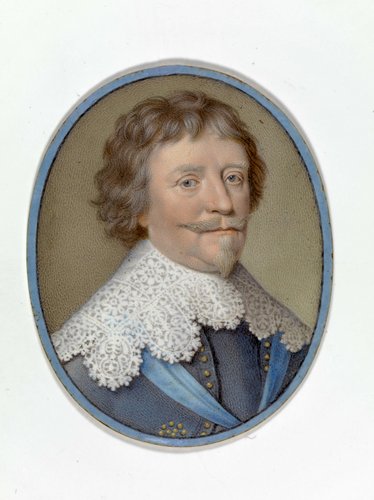
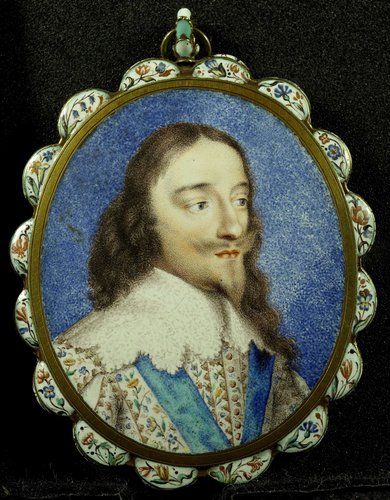
Henri Toutin (1614–c. 1683) was a pioneering French enamel painter who revolutionized the art of portrait miniatures by adapting enamel painting—previously used exclusively for decorative purposes—to portraiture. Born into an artistic family in Paris, Toutin was the son of Jean Toutin (1578–1644), a goldsmith and enameler credited with inventing the technique of painting enamel on gold. Henri continued and refined his father's innovations, producing what is recognized as the first known enamel portrait: a depiction of Charles I of England, now housed at the Mauritshuis in The Hague. Toutin's technical innovations transformed portrait miniature painting. According to Félibien's dictionary of art terminology, Henri Toutin perfected the technique of enamel painted on gold around 1632 while living between Châteaudun and Paris. Working in the French capital, Toutin likely trained other important enamel painters, including possibly Jean Petitot, who would further develop the medium. Like many early portrait enamellers, Toutin also decorated watchcases, applying his refined technique to both utilitarian and purely artistic objects. Though his surviving works are rare, examples in major collections including the Walters Art Museum and the Royal Collection demonstrate his crucial role in establishing enamel portrait miniatures as an independent art form.
Henri Toutin was born in 1614 into a family deeply engaged in the decorative arts. His father, Jean Toutin (1578–1644), worked as a goldsmith and enameler in France, achieving recognition for technical innovations in enamel work that would prove foundational for Henri's later achievements.
Jean Toutin is credited with being among the first artists to create enamel portrait miniatures, previously an unprecedented application of a medium used exclusively for decorative purposes on jewelry, religious objects, and luxury items. Growing up in this innovative environment, Henri absorbed both traditional goldsmithing techniques and his father's experimental approaches to enamel painting.
The Toutin family's work centered in the Paris region, with periods spent in Châteaudun and the capital itself. This positioning in France's artistic center provided access to aristocratic and royal patronage while connecting the Toutins to the wider European market for luxury goods and portrait miniatures.
Around 1632, according to Félibien's authoritative dictionary of art terminology, Henri Toutin perfected the technique of enamel painting on gold while living between Châteaudun and Paris. This technical achievement built upon his father's foundations while advancing the medium's expressive possibilities.
Toutin's most significant artistic innovation was producing the first known enamel portrait, depicting Charles I of England. This groundbreaking work, now preserved at the Mauritshuis in The Hague, demonstrated that enamel painting could achieve the subtlety and psychological presence required for successful portraiture, not merely decorative pattern-making.
Based in Paris for much of his career, Toutin likely encountered and possibly trained other emerging enamel painters, including Jean Petitot, who would become the most celebrated enamel portrait miniaturist of the seventeenth century. While documentary evidence of their relationship remains uncertain, their connection through Paris's specialized community of enamel workers seems probable.
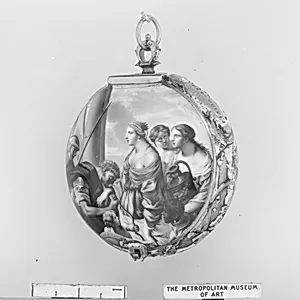
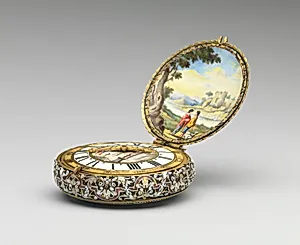
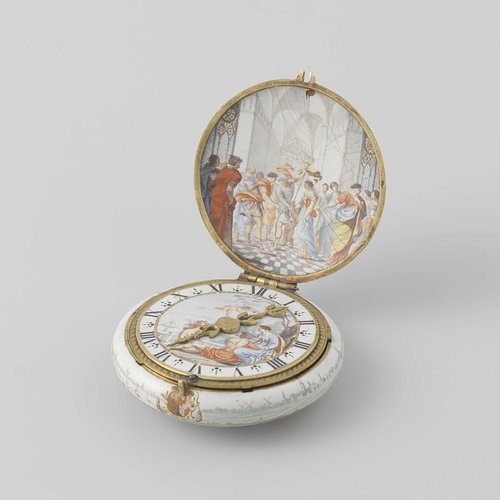
Like many early portrait enamellers, Toutin maintained the craft tradition of decorating watchcases, applying his refined painting technique to these fashionable luxury objects. This dual practice as both artist and craftsman typified the transitional status of enamel portrait miniatures during their emergence as an independent art form.
Toutin died around 1683, having established enamel portrait miniatures as a recognized medium that would flourish throughout the seventeenth and eighteenth centuries. Though his surviving works are rare, his technical innovations and artistic achievements fundamentally shaped the medium's development.
Artheon Research Team
Last updated: 2025-11-09
Biography length: ~478 words
Wikidata (CC0); Getty ULAN (ODC-By)
All 5 artworks loaded