Ctrl K
1782–1810
Occupations
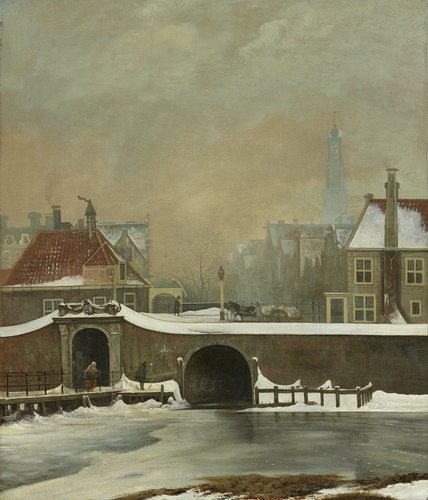
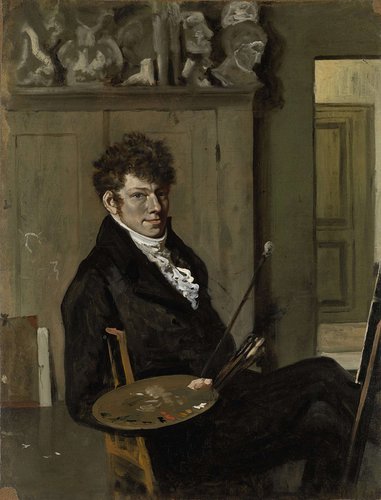
Wouter Johannes van Troostwijk (1782–1810) was a pioneering Dutch landscape painter whose brief but influential career helped transform Dutch landscape painting in the early nineteenth century. Born into a wealthy Amsterdam family, Troostwijk pursued art as a passionate amateur while working as a civil servant at Amsterdam's town hall. Despite never becoming a professional artist, his innovative approach to depicting the Dutch landscape—particularly his practice of painting en plein air—made him a trailblazer who influenced generations of later Dutch landscape painters. Trained by the renowned Andriessen brothers and educated at Amsterdam's Municipal Academy of Drawing, Troostwijk drew inspiration from seventeenth-century Dutch masters like Paulus Potter and Jacob van Ruisdael. His landscapes featuring cattle and his detailed cityscapes combined traditional Dutch realism with a fresh, immediate observation of nature. His most celebrated work, 'The Raampoortje in Amsterdam' (1809), exemplifies his ability to capture the atmospheric qualities of urban settings. Dying at just twenty-eight years old, Troostwijk left a relatively small body of work, yet his legacy as one of the first Dutch artists to paint outdoors in direct observation of nature secured his importance in the history of Dutch art.
Wouter Johannes van Troostwijk was born on May 28, 1782, in Amsterdam to a prosperous family. His father, Adriaan Paets, worked as a cloth merchant but gained greater recognition as a chemist and physicist, indicating the family's intellectual and scientific interests.
Troostwijk's artistic talent manifested early, and his family supported his artistic education despite their wealth allowing him to pursue art as an avocation rather than a profession. He received drawing lessons from Anthonie Andriessen and painting instruction from Anthonie's brother, Juriaan Andriessen, both respected artists in Amsterdam's artistic community.
In 1803, he enrolled at the Amsterdam Municipal Academy of Drawing (Stadsacademie), formalizing his artistic training and connecting with the city's emerging generation of artists who would challenge conventional approaches to Dutch landscape painting.
Following his enrollment at the Academy, Troostwijk joined the prestigious Felix Meritis society in 1805, where his work received immediate recognition. He won two medals for his paintings, validating his artistic achievements despite his amateur status.
While maintaining his position at Amsterdam's town hall, Troostwijk painted primarily for personal satisfaction rather than commercial success. This financial independence allowed him artistic freedom to experiment with new approaches to landscape painting.
Troostwijk became one of the first Dutch artists to regularly paint en plein air—working outdoors directly from nature rather than composing landscapes in the studio from sketches. This revolutionary practice anticipated the methods that would dominate European landscape painting later in the century.
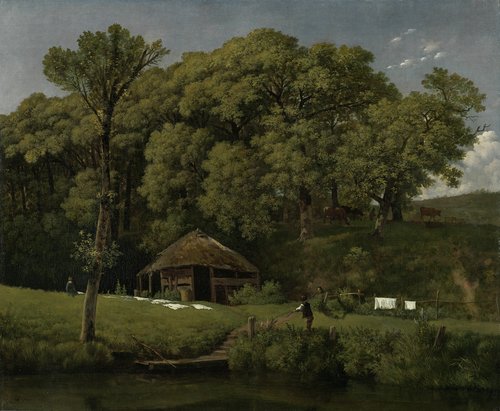
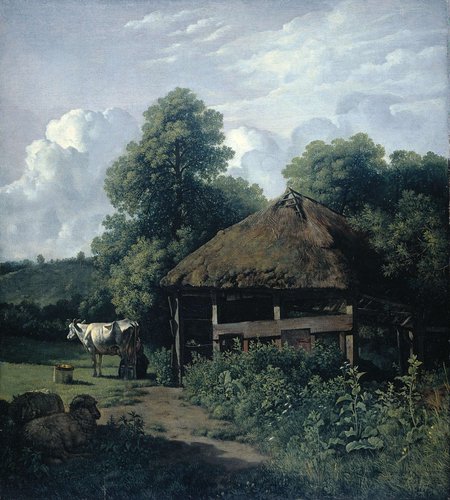
His subjects included pastoral landscapes featuring cattle in the tradition of Paulus Potter, architectural views of Amsterdam, and countryside scenes. His style combined the atmospheric sensitivity of Jacob van Ruisdael with immediate, fresh observation of light and weather conditions.
Troostwijk died on September 20, 1810, in Amsterdam at only twenty-eight years old. Despite his short life and limited output, his innovative approach to landscape painting influenced the Hague School and other Dutch landscape movements later in the nineteenth century.
Artheon Research Team
Last updated: 2025-11-09
Biography length: ~485 words
Wikidata (CC0); Getty ULAN (ODC-By)