Ctrl K
1863–1922
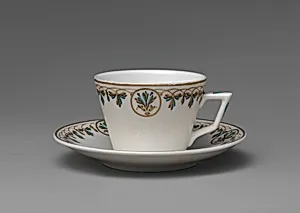
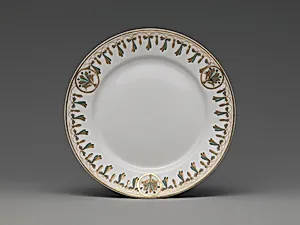
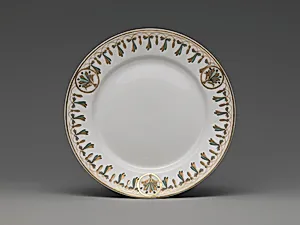
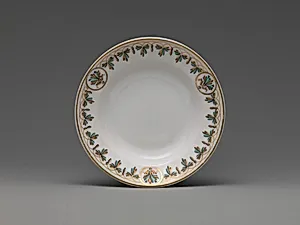
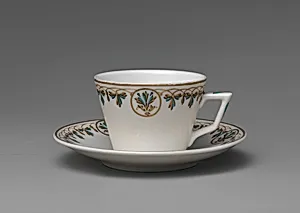
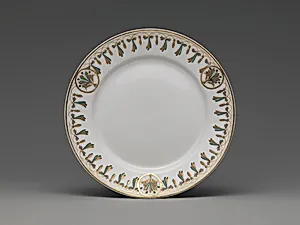
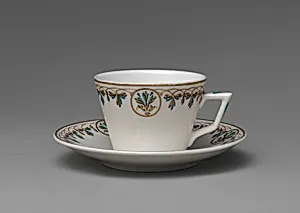
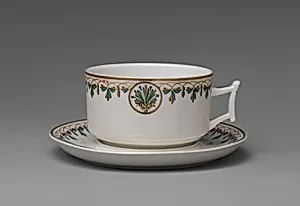
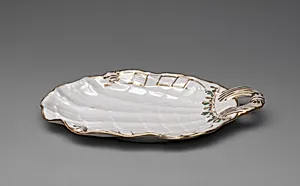
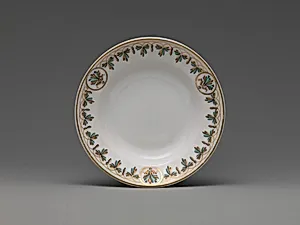
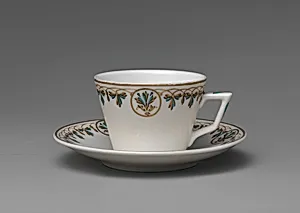
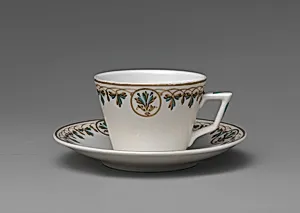
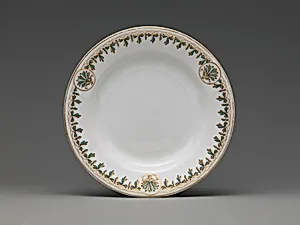
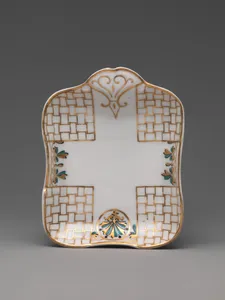
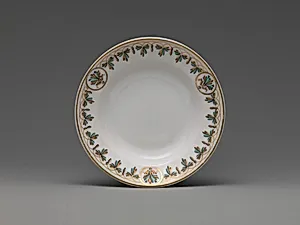
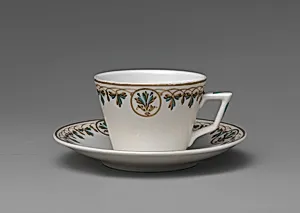
Union Porcelain Works, established in Greenpoint, Brooklyn, New York, in 1863, marked America's breakthrough in hard-paste porcelain production. Architect and builder Thomas Carll Smith (1815–1901) acquired the struggling factory from earlier owners like William Boch & Brothers after it faltered during the Civil War. In 1863, Smith traveled to Europe, studying porcelain techniques at the Manufacture nationale de Sèvres in France and potteries in Stoke-on-Trent, England. He invested over $250,000 to retool the facility, source raw materials from a Connecticut quarry, and experiment for two years, launching sales of genuine hard porcelain by 1865 under names like Thomas C. Smith & Co. while retaining the Union Porcelain Works moniker. Initial output focused on practical items such as hotel dinnerware, electrical insulators, hardware trimmings, and tiles.
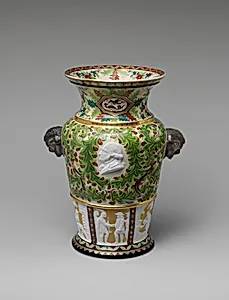
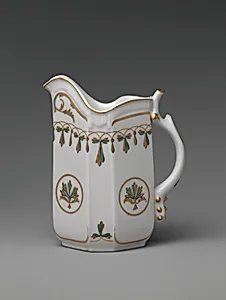
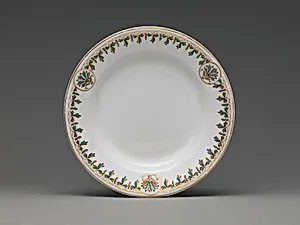
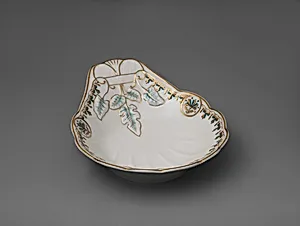
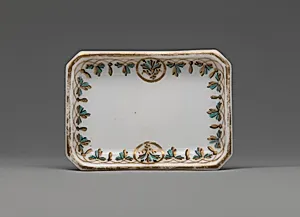
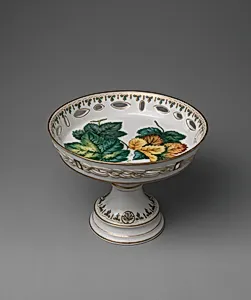
The firm's artistic ascent began in 1874 when Smith hired German-born sculptor Karl L.H. Müller (c. 1820–1887) as chief designer, later joined by John Mackie Falconer. Müller's innovative works debuted at the 1876 Centennial Exposition in Philadelphia, earning prizes and elevating the company's profile. Standouts included the Century Vase and Keramos Vase, the latter commemorating Longfellow's poem with raised designs tracing ceramics history and featuring American motifs like native animals and national scenes. Other notable pieces encompassed a neoclassical compote from 1885, gifted by Smith to his daughter Pastora Forest Smith Chace; a porcelain vase circa 1884 marked "U.P.W." with an eagle; and parian figure groups from the 1880s. By 1917, the sprawling factory employed over 200 workers, firing massive kilns that produced up to 60,000 pieces per cycle.
Union Porcelain Works pioneered American hard porcelain without government subsidies, rivaling Limoges, Meissen, and Berlin in delicacy and design while emphasizing original U.S. themes over European copies. It supplied the White House and filled museum collections, including the Metropolitan Museum of Art and Brooklyn Museum. Though it closed in 1922 amid economic shifts, its legacy endures as the foremost U.S. porcelain innovator, blending industrial scale with artistic flair and distinguishing American ceramics on the world stage.