Ctrl K
1825–1875
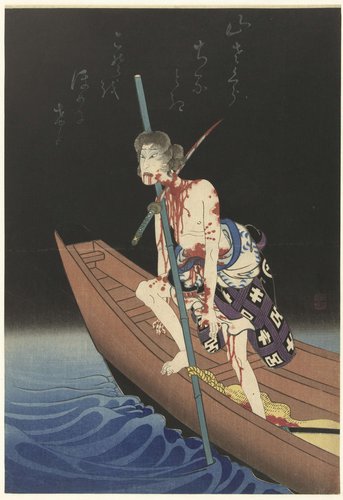
**Utagawa Hirosada (also known as Konishi Hirosada or Gosōtei Hirosada) was a leading Osaka-based ukiyo-e artist of the late Edo period, renowned for his prolific output of kabuki actor prints.** Active primarily from the 1820s through the 1860s (with some sources listing activity from around 1819–1863 or 1825–1875), he specialized in *yakusha-e* (actor portraits) and *kamigata-e*, the distinctive print tradition of the Osaka-Kyoto region.
Born in Osaka into a merchant family (business name Kyōmaruya) as Kyōmaruya Seijirō, Hirosada studied under the prominent Osaka artist Utagawa Kunimasu (formerly Sadamasu). His adoption of the Utagawa surname also reflects ties to the broader Utagawa school, including connections to the influential Edo master Utagawa Kunisada. In 1852, he traveled to Edo with fellow Osaka artists, contributing designs to collaborative series by Kunisada.
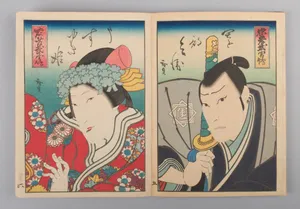
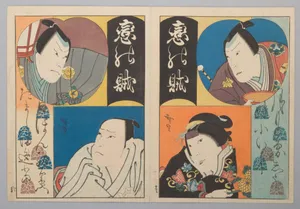
Hirosada worked firmly in the Osaka school tradition of woodblock printing, excelling in medium-sized *chūban* formats, diptychs, triptychs, and striking *ōkubi-e* (large-head) close-up portraits of leading kabuki performers. Following the easing of the Tempō Reforms in 1847, he became one of the most productive designers in the genre, creating hundreds of single-sheet prints that captured the vibrant theatrical culture of Osaka’s stages. His works often featured dynamic compositions and vivid depictions tailored for kabuki theater promotion.
As the most prolific Osaka print artist of his era, Hirosada played a central role in sustaining the *kamigata-e* tradition during a time when Edo dominated the broader ukiyo-e market. His actor portraits remain highly valued today for their insight into 19th-century Japanese theater and their technical refinement. With three works in the museum’s collection, his prints continue to educate viewers on the rich interplay between visual art and live performance in Edo-period Japan.