Ctrl K
1807–1873
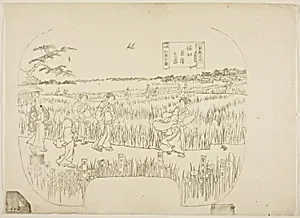
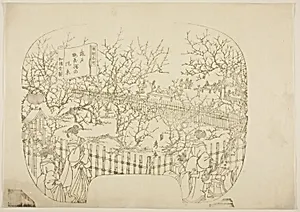
Utagawa Sadahide (1807–c. 1873) was a Japanese woodblock print artist active during the late Edo and early Meiji periods, a time of extraordinary transformation in Japanese society and visual culture. He studied under Utagawa Kunisada, one of the dominant figures in the Utagawa school and a master of popular print design, and absorbed the technical conventions of ukiyo-e — the floating world of actors, beauties, warriors, and landscapes that had captivated Japanese audiences for generations.
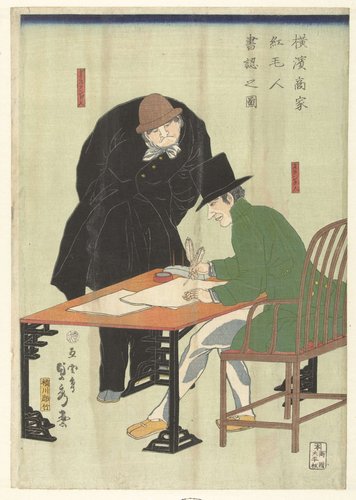
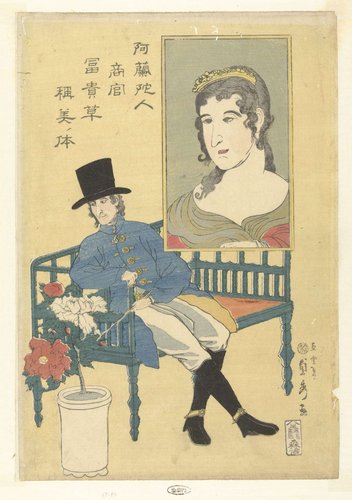
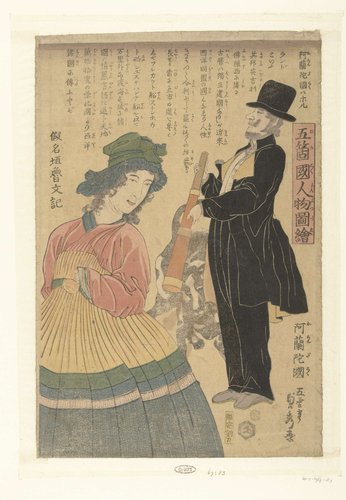
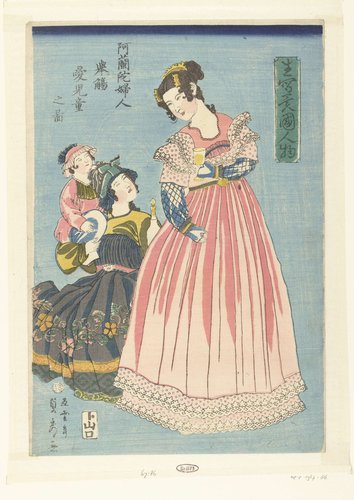
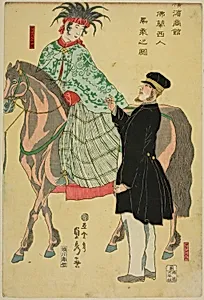
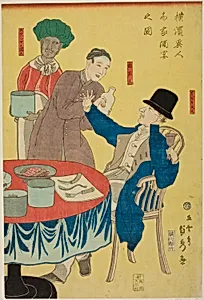
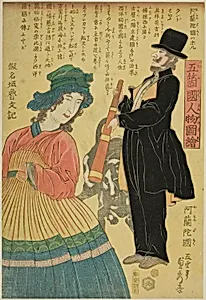
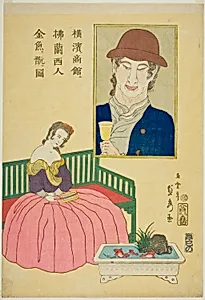
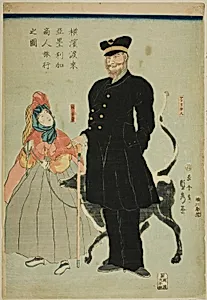
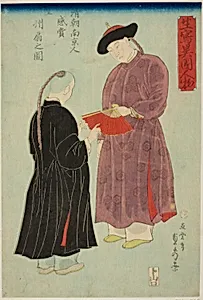
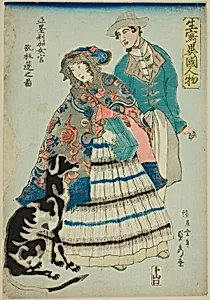
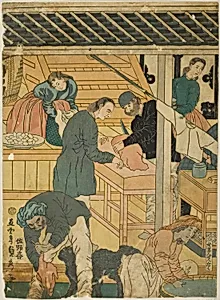
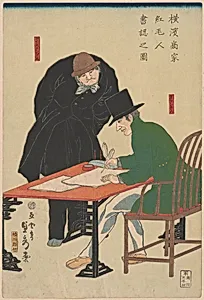
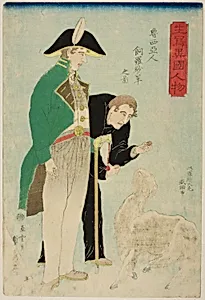
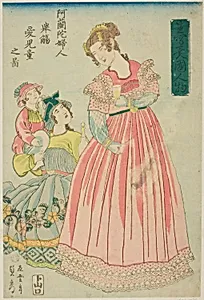
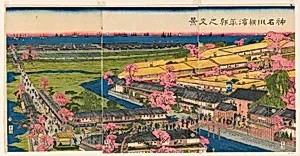
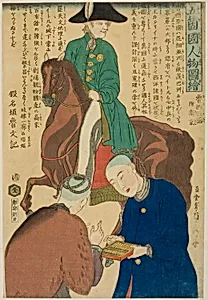
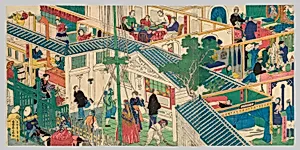
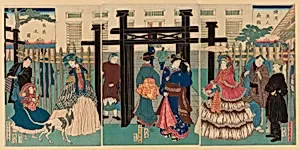
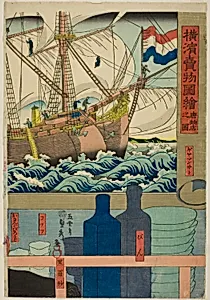
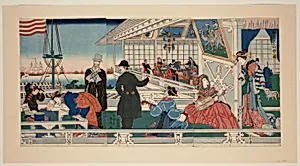
Sadahide is particularly celebrated for his depictions of Yokohama, the treaty port opened to foreign trade following Japan's forced opening to the West in the 1850s. His so-called Yokohama-e, or Yokohama pictures, document with keen curiosity the extraordinary encounter between Japanese observers and the foreign merchants, diplomats, sailors, and technologies that flooded into the port city. These prints — depicting Western ships, foreign fashions, and the bustling life of the newly opened port — are among the most vivid visual records of Japan's collision with modernity, combining documentary interest with the graceful compositional traditions of ukiyo-e.
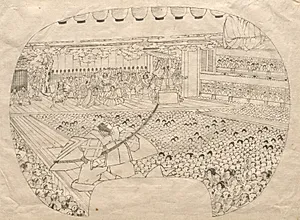
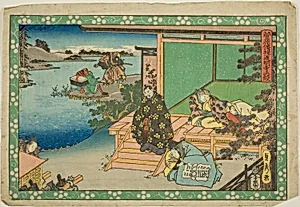
Beyond his Yokohama subjects, Sadahide produced warrior prints, landscapes, actor portraits, and illustrations for popular literature, demonstrating the broad range expected of a working ukiyo-e artist in the commercially vigorous print trade of nineteenth-century Edo and Tokyo. His multi-panel compositions in particular display an ambition and spatial complexity that reward close attention.
Sadahide's Yokohama prints have attracted particular scholarly and popular interest in recent decades as primary visual sources for the study of Japan's modernization. They capture a singular historical moment — the opening of a closed society — through the eyes of an artist who observed it with wonder, humor, and a craftsman's precision.