Ctrl K
1818–1844
**Utagawa Sadakage (歌川貞景, also written 貞影)** was a Japanese ukiyo-e woodblock print designer and book illustrator active during the late Edo period. Born in 1818 and passing in 1844, he worked primarily in Edo and Osaka, producing a range of prints that reflected the vibrant popular culture of his time.
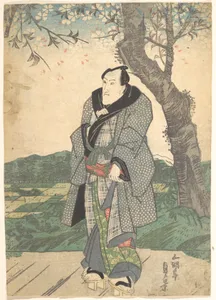
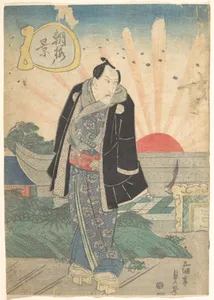
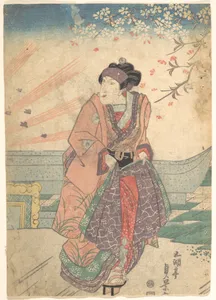
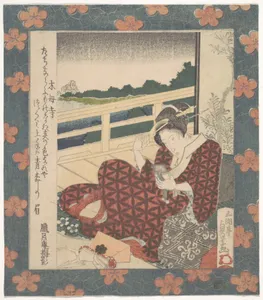
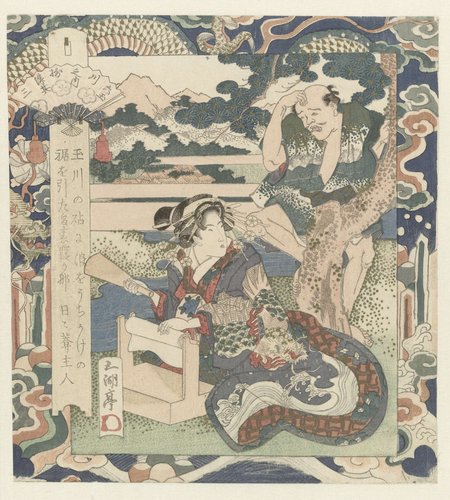
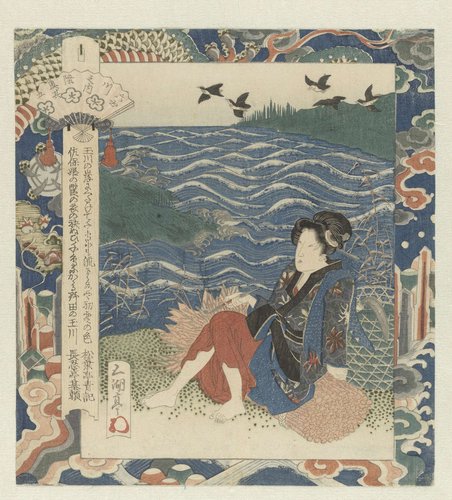
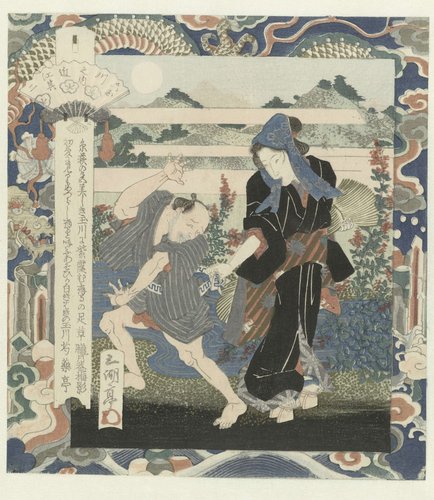
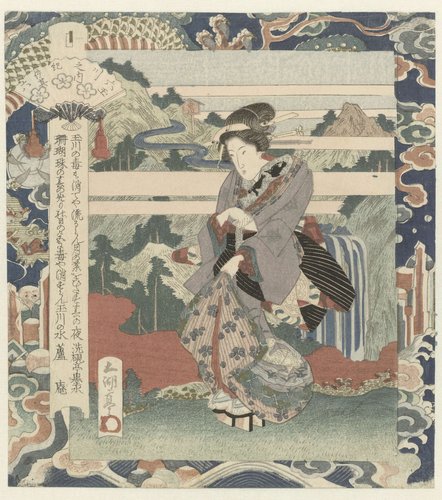
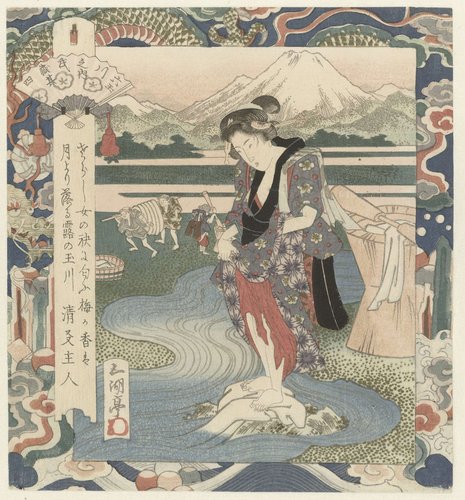
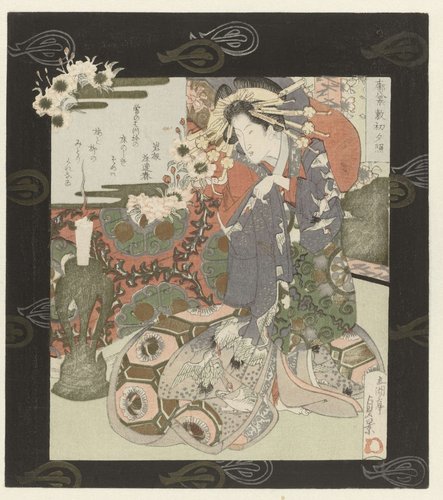
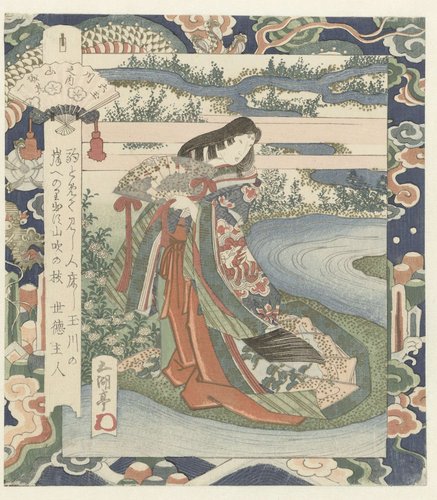
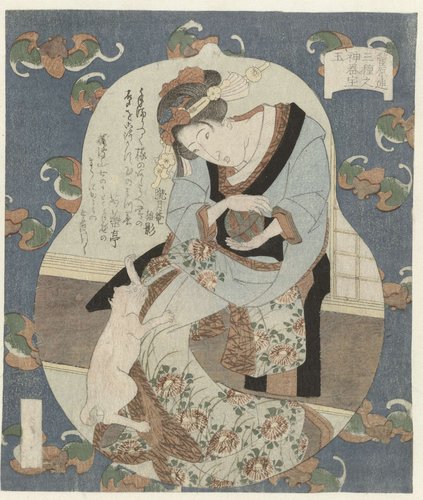
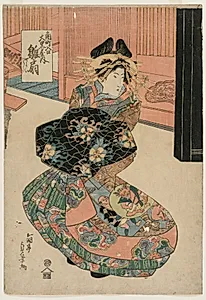
Sadakage trained as an important pupil of the prolific master Utagawa Kunisada (also known as Toyokuni III), one of the leading figures of the Utagawa school. This apprenticeship placed him firmly within the dominant Utagawa school tradition, which emphasized refined figure drawing, dramatic compositions, and the commercial appeal of actor portraits and genre scenes. He specialized in *bijinga* (pictures of beautiful women), *yakusha-e* (actor prints), and *surimono* (privately commissioned prints often featuring poetry or seasonal motifs), all executed in the characteristic Utagawa style of elegant lines and vibrant coloring.
Although his career was brief, Sadakage contributed to the school’s output during a period when ukiyo-e remained highly popular. His designs captured the fleeting beauty of courtesans, the expressive poses of kabuki performers, and the refined aesthetics suited to *surimono* commissions. While specific dated masterpieces are less frequently highlighted than those of his teacher or contemporaries like Hiroshige, his surviving works demonstrate technical skill and adherence to the school’s high standards of draftsmanship.
Sadakage’s legacy endures through the preservation of his prints in major collections worldwide, including examples held by the Metropolitan Museum of Art. As one of Kunisada’s notable students, he helped sustain the Utagawa school’s influence into the mid-19th century, even as the genre began to evolve with the arrival of new artistic currents. His approximately 13 works in this virtual museum’s collection offer viewers a window into the refined yet accessible world of late Edo-period ukiyo-e.