
Ctrl K
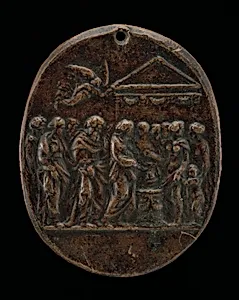
1468–1546
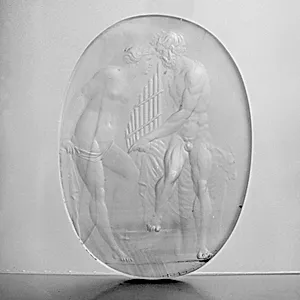
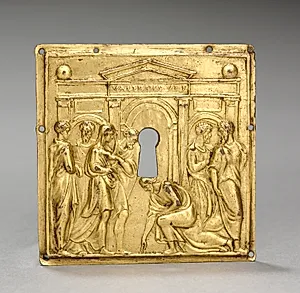
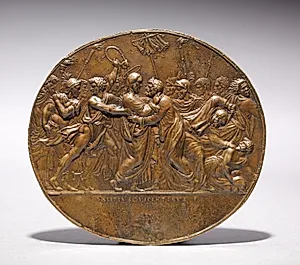
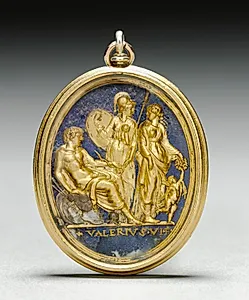
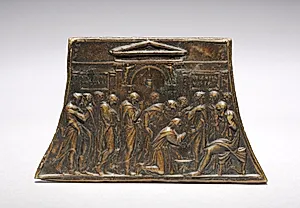
Valerio Belli (c. 1468–1546) was an Italian gem engraver and goldsmith of exceptional distinction, celebrated in his own lifetime as the finest intaglio carver of the Renaissance. Born in Vicenza, he worked primarily in rock crystal, a notoriously difficult material that rewards mastery with extraordinary translucency and brilliance. He studied the antique gems and cameos that were being excavated and collected throughout the fifteenth and sixteenth centuries, and his work demonstrates a profound assimilation of classical figural style that set him apart from his contemporaries.
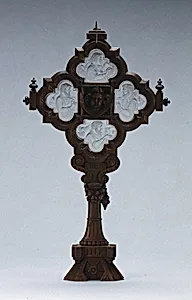
Belli's most celebrated achievement is a series of rock crystal plaques depicting scenes from the Passion of Christ, which were later incorporated into a reliquary cross and casket made for Pope Clement VII and presented to Francis I of France; these objects are now among the treasures of the Pitti Palace in Florence. The precision of his carving, the delicacy of his figure work, and his ability to create the illusion of depth and atmosphere within a few millimeters of crystal astonished contemporaries and continue to command admiration.
He worked for the most powerful patrons of his age, including the Medici popes Leo X and Clement VII, and his portrait medals — produced alongside his gem work — are similarly refined documents of Renaissance portraiture. Scholars and collectors across Europe sought his pieces, and his reputation was such that Giorgio Vasari devoted a substantial passage to him in the Lives of the Artists.
Belli's legacy is that of a supreme master of the minor arts who demonstrated that small-scale work could aspire to the same intellectual and aesthetic ambition as monumental painting or sculpture. His crystal carvings remain among the most technically demanding objects produced in the entire Renaissance period.
![Pietro Bembo, 1470-1547, Cardinal 1538 [obverse]](https://images.artheonmuseum.org/nga/thumb/pietro-bembo-1470-1547-cardinal-1538-obverse-nga-45010.webp)
![Bembo beside a Stream [reverse]](https://images.artheonmuseum.org/nga/thumb/bembo-beside-a-stream-reverse-nga-45011.webp)