1599–1660
Occupations
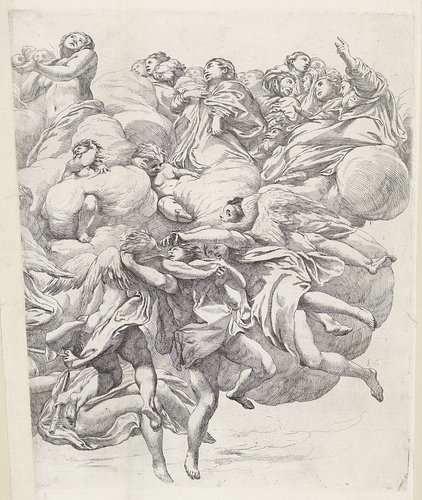
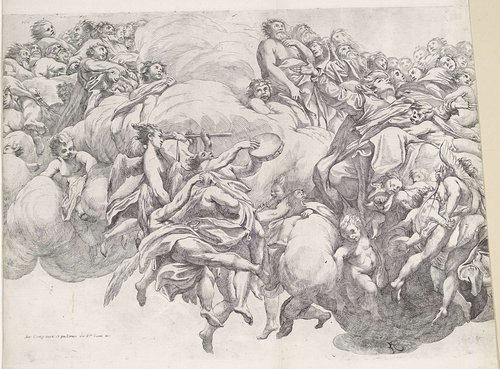
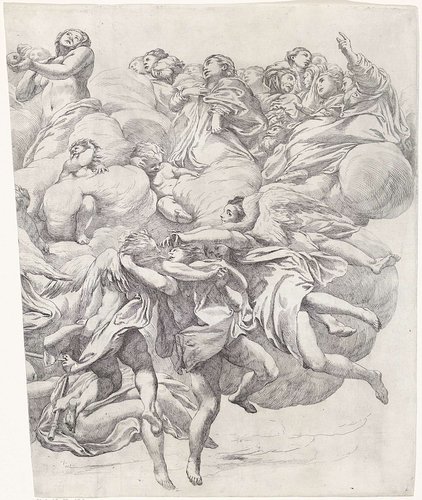
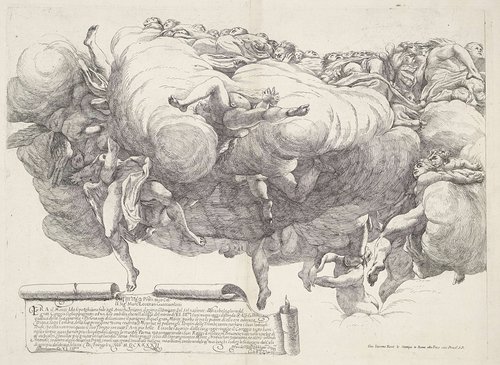
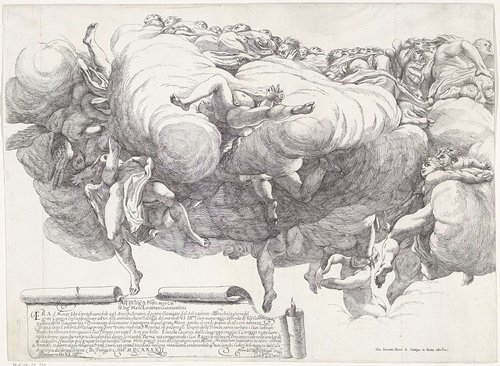
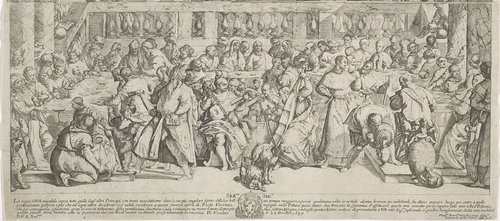
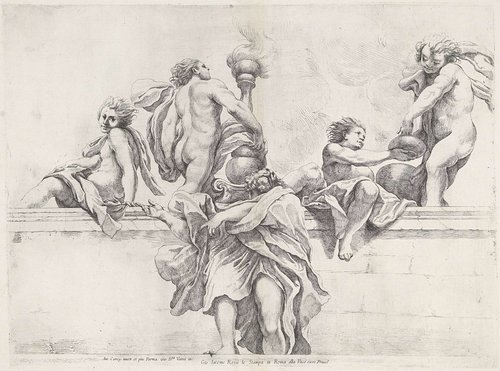
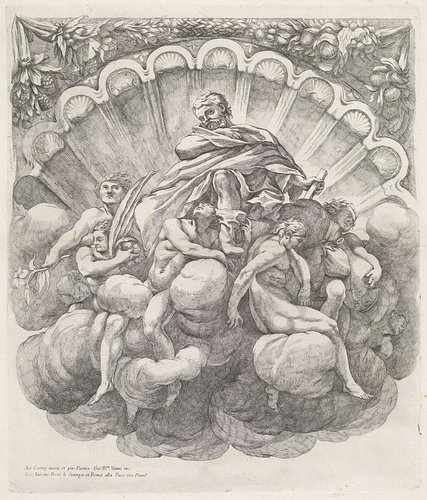
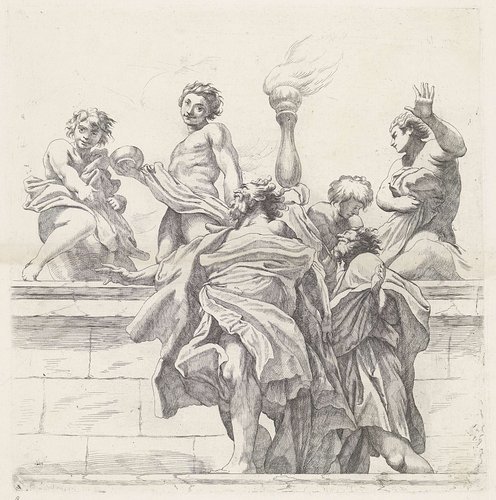
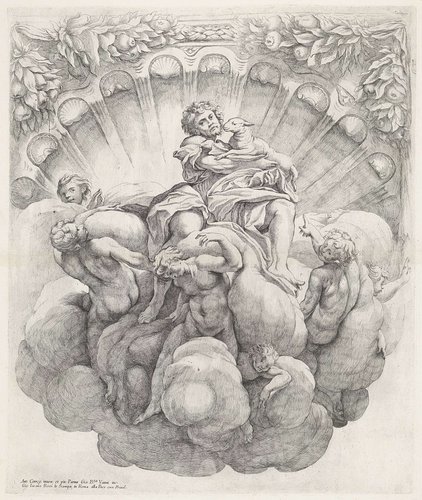
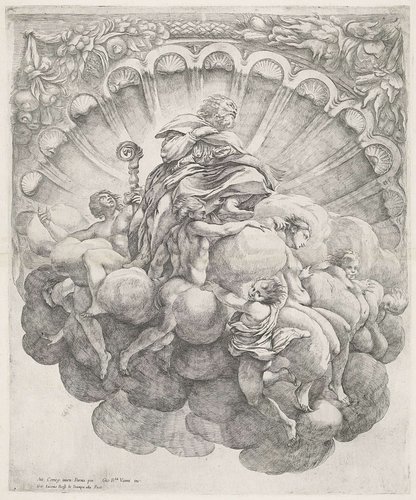
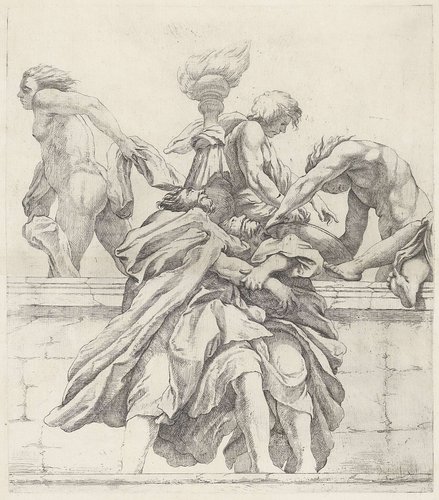
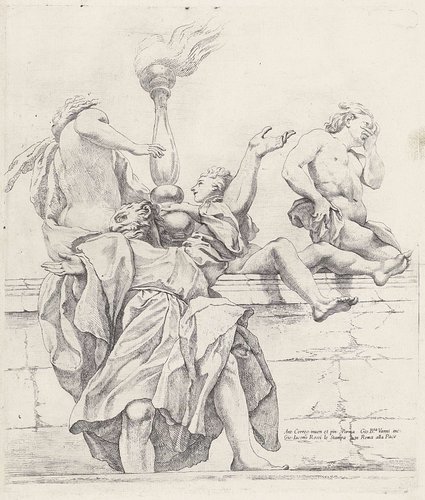
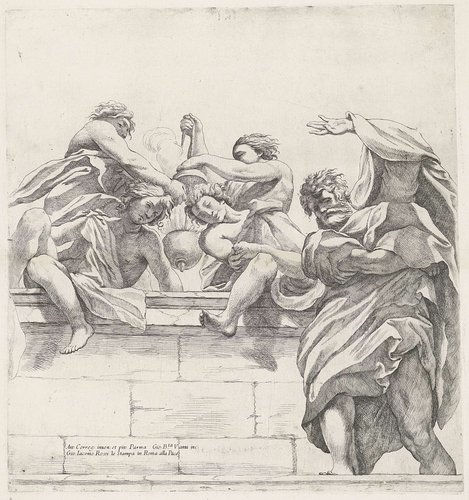
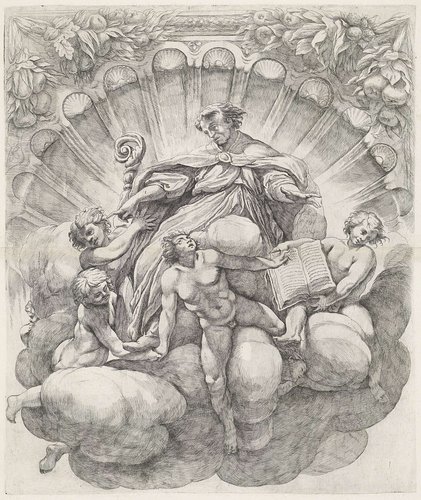
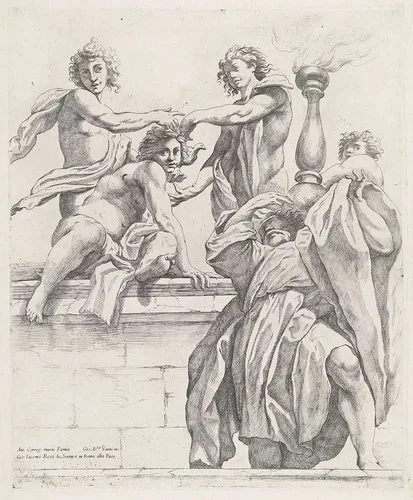
Giovanni Battista Vanni (ca. 1599–1660) was an Italian painter and engraver of the Baroque period whose career bridged the artistic centers of Florence, Parma, Venice, and Rome. Born around 1599 in either Pisa or Florence, Vanni received comprehensive training through successive apprenticeships with Jacopo da Empoli, Aurelio Lomi, and Matteo Rosselli before becoming a disciple of Cristofano Allori. This rigorous Florentine training established his foundation in disegno (drawing) and compositional principles that would characterize his mature work. Seeking to expand his artistic vocabulary beyond Florentine traditions, Vanni traveled to Parma and Venice to study masterworks by Correggio and Titian. This exposure to the Emilian and Venetian schools' emphasis on color, atmosphere, and dynamic composition profoundly influenced his developing style, creating a synthesis of Florentine precision with richer coloristic effects. His pictorial work consisted mainly of paintings and frescoes for churches in Florence and throughout Tuscany, demonstrating his success in securing major ecclesiastical commissions. As an engraver, Vanni created important reproductive prints translating major Renaissance and Baroque paintings into graphic form. He engraved sacred subjects after Paolo Veronese, including "The Wedding of Cana," and most significantly, reproduced Correggio's frescoes from the dome of Parma Cathedral in fifteen plates—a major undertaking requiring exceptional technical skill and interpretive sensitivity. His most important pictorial works included paintings in the Palazzo degli Alberti in Prato, the Church of San Giovanni dei Fiorentini in Rome, and the celebrated frescoes of the "Sala Vanni" in the refectory of the Carmine Church in Florence. The Louvre preserves a significant collection of his drawings. Giovanni Battista Vanni died in Florence on July 27, 1660.
Studied successively with Jacopo da Empoli, Aurelio Lomi, Matteo Rosselli, and Cristofano Allori in Florence, receiving comprehensive Florentine Baroque training.
Traveled to Parma and Venice to study Correggio and Titian. Created paintings and frescoes for churches throughout Tuscany and Rome while producing important reproductive engravings.
Artheon Research Team
Last updated: 2025-11-09
Biography length: ~455 words
Wikidata (CC0); Getty ULAN (ODC-By)
All 18 artworks loaded