Ctrl K
1700–1780
Occupations
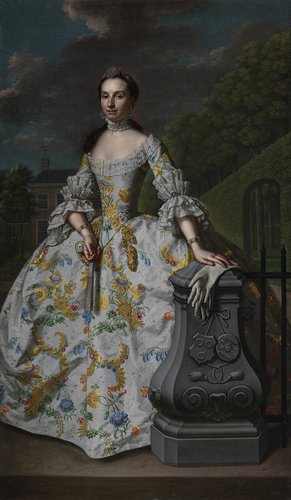
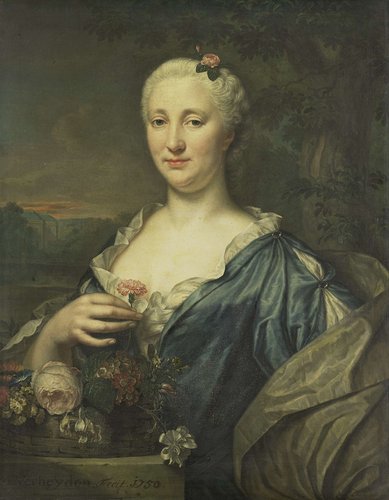
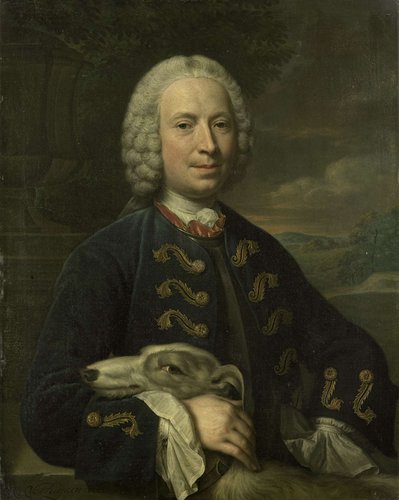
Mattheus Verheyden (1700-1777) was a prominent Dutch portrait painter of the eighteenth century whose refined technique and aristocratic clientele established him as one of the leading portraitists of the Dutch Republic. Born in Breda as the son of painter Frank Pietersz Verheyden, Mattheus was orphaned at age eleven but received superior artistic training thanks to his late mother's fortune. After studying with Hendrik Carré in The Hague and absorbing influences from the works of Carel de Moor and Augustinus Terwesten II, he emerged as a precocious talent, painting dated portraits from age seventeen. His career flourished among the upper classes, producing numerous portraits of regents, clergymen, and royalty characterized by elegant composition and meticulous detail. Beyond portraiture, Verheyden contributed to the early manifestation of Rococo style in the Netherlands through his 1737 allegorical designs for marble overdoor decorations at The Hague town hall, demonstrating his versatility and significance in Dutch eighteenth-century art.
Mattheus Verheyden was born on July 1, 1700, in Breda, the youngest of seven children born to painter Frank Pietersz Verheyden (c.1655-1711) and Maria Puts. His father, originally from a family of artists, had established himself as a painter in Breda. According to the contemporary art biographer Johan van Gool, tragedy struck early when Mattheus's mother died when he was only two years old, leaving his father to care for seven children.
Though his father remarried, further misfortune arrived when Frank Pietersz Verheyden died in 1711, leaving eleven-year-old Mattheus orphaned. He became a ward of the city of Breda. Fortunately, his late mother's fortune enabled the city orphanage regents to provide him with proper artistic education. They sent him to The Hague, where he studied for a year under Hendrik Carré, a respected painter of the period.
In The Hague, the young Verheyden also had the opportunity to study and copy works by Carel de Moor and Augustinus Terwesten II, as well as paintings by their fathers that these artists generously made available to him. This exposure to established masters proved formative. By age fifteen, Verheyden had become so accomplished that he began accepting portrait commissions. Dated works from 1717 confirm his early professional activity.
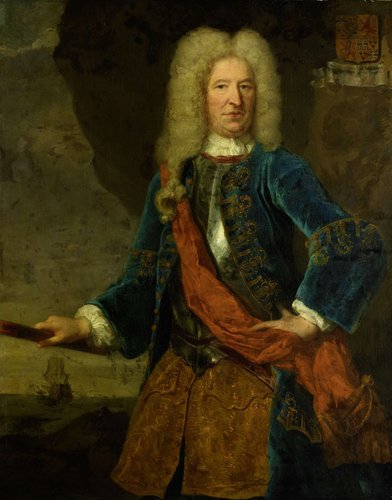
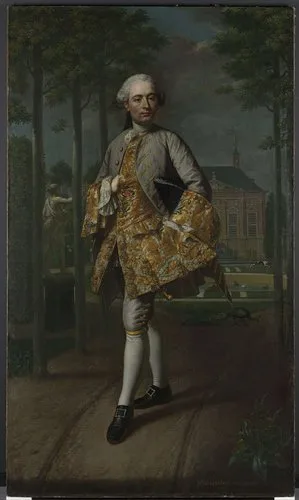
Verheyden quickly established himself as a sought-after portrait painter among the Dutch upper classes. His clientele included regents, clergymen, and members of royal circles, reflecting both his technical skill and social connections. His portraits demonstrated the refined elegance expected by aristocratic patrons while maintaining the Dutch tradition of careful observation and detailed rendering.
In 1737, Verheyden undertook a significant commission that extended beyond his usual portrait work. He created three allegorical drawings as models for sculptor Jan Baptist Xavery, who used two of them to carve marble overdoor decorations for the town hall in The Hague. Art historians consider these works among the earliest manifestations of the Rococo style in the Netherlands, demonstrating Verheyden's awareness of contemporary French aesthetic developments and his ability to work across different artistic contexts.
Verheyden continued his successful practice until his death on November 3, 1776 (some sources cite 1777), having maintained his position among the leading portraitists of the Dutch Republic for nearly six decades.
Artheon Research Team
Last updated: 2025-11-09
Biography length: ~468 words
Wikidata (CC0); Getty ULAN (ODC-By)