
Ctrl K
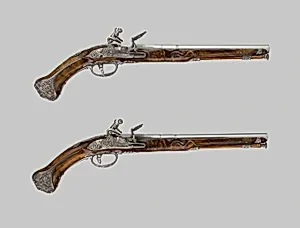
Vicenzo Cominazzo (died 1696) was a distinguished Italian barrel maker from the celebrated Cominazzo family of Gardone Val Trompia, a renowned center of firearms production near Brescia. The Cominazzos formed a dynasty of gunsmiths active from the 15th to the 19th century, specializing in high-quality barrels for portable firearms rather than complete weapons. They operated within the specialized Brescian tradition, where craftsmen divided labor among roles such as barrel forgers, drillers, and finishers; the family name, particularly “Lazarino Cominazzo,” became synonymous with exceptional craftsmanship across Europe. Vicenzo belonged to this lineage, with records noting several family members named Vincenzo active in the late 17th century, including one who produced and sold over 1,900 civilian barrels in 1688. Early details of his life remain limited due to the family’s repeated use of the same names, making individual attributions challenging./)
Working in the Cominazzo family tradition, Vicenzo contributed to the production of finely crafted steel barrels that were highly prized for their quality and often signed. The family’s barrels were exported widely and even inspired imitations, with the term “canne lazzarine” entering contemporary treatises as a mark of excellence. His known work includes the barrels for a pair of flintlock holster pistols dated circa 1680/90, now in the Art Institute of Chicago’s collection. These elegant steel-and-wood pistols exemplify the refined Brescian style of the period, combining functional precision with decorative artistry typical of late-17th-century Italian arms. The Cominazzos’ output reflected the Venetian Republic’s monopoly on barrel making in Gardone, supplying both civilian and military markets.
The Cominazzo family’s legacy endures through surviving firearms in museums worldwide, where their barrels represent the pinnacle of 17th-century Italian gunsmithing. Though individual members like Vicenzo are not always easily distinguished, the dynasty’s reputation for superior barrels influenced later European and even colonial production. Their work highlights the collaborative, specialized nature of Renaissance and Baroque arms manufacturing, blending technical mastery with artistic expression. Today, authentic Cominazzo pieces remain sought after by collectors, underscoring the family’s lasting impact on the history of decorative arms.