Ctrl K
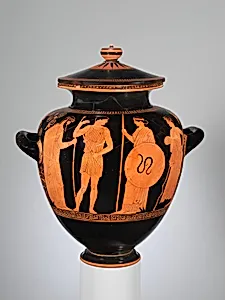
**The Villa Giulia Painter** was an ancient Greek vase painter active in Athens from approximately 470 to 440 B.C. His true name remains unknown, as is common for many artisans of the period; he is identified today solely through the distinctive style recognized by the pioneering scholar Sir John Beazley. Beazley named him after one of his characteristic vases housed in the Villa Giulia (National Etruscan Museum) in Rome.
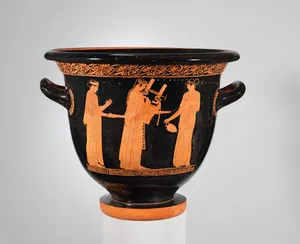
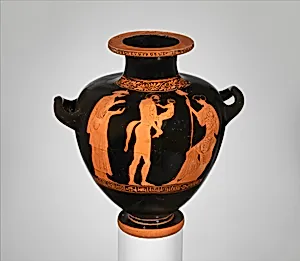
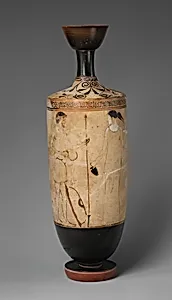
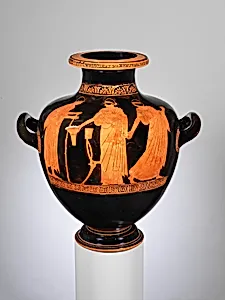
Working primarily in the red-figure technique, the artist specialized in large vessels such as kraters, hydriai, and stamnoi. His compositions are noted for their quiet nobility and restrained elegance, often depicting serene mythological or everyday scenes with a refined sense of balance and calm dignity rather than dramatic action. This approach reflects the broader artistic currents of the Early Classical period in Attic pottery, emphasizing harmony and subtle expression over the more dynamic styles of earlier generations.
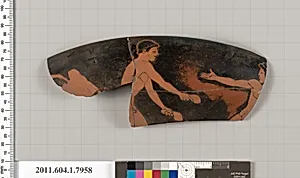
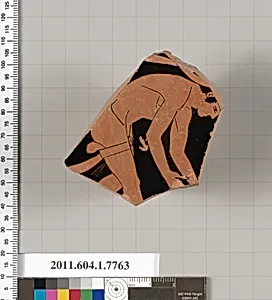
Among his known works are a notable kylix (drinking cup), a kalpis (water jar), and a red-figure ram rhyton (drinking horn), alongside other attributed pieces that demonstrate his preference for measured, contemplative iconography. Though no records survive of his training or mentors, his output aligns with the sophisticated traditions of Athenian vase painting during the height of the city’s cultural influence.
The Villa Giulia Painter’s legacy endures through the careful attributions of modern scholarship, which continue to highlight his contribution to the refined aesthetic of mid-fifth-century B.C. Greek ceramics. His vases, prized for their understated grace, offer valuable insight into the artistic sensibilities of classical Athens and remain important examples in museum collections worldwide.