Ctrl K
1790–1837
Occupations
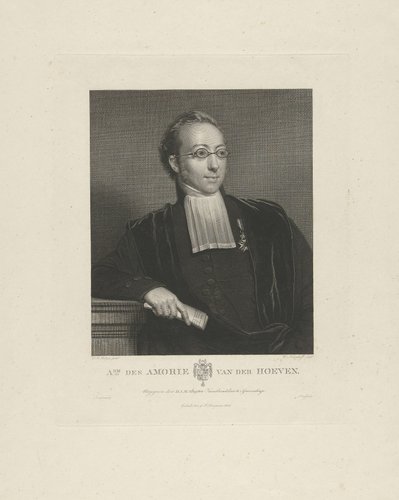
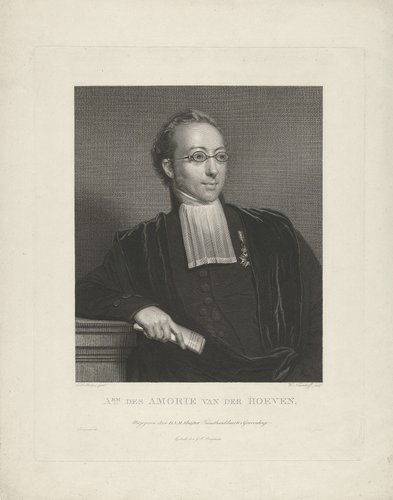
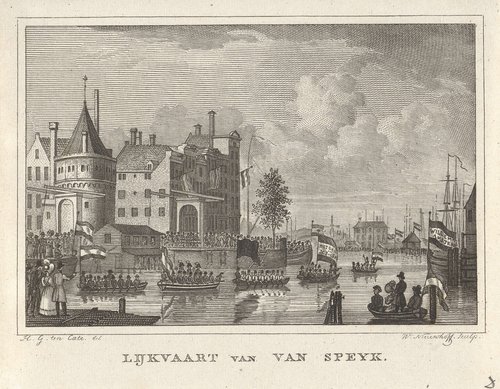
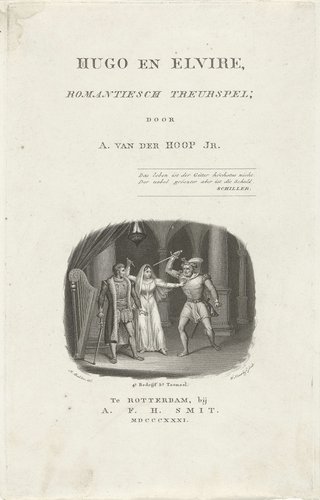
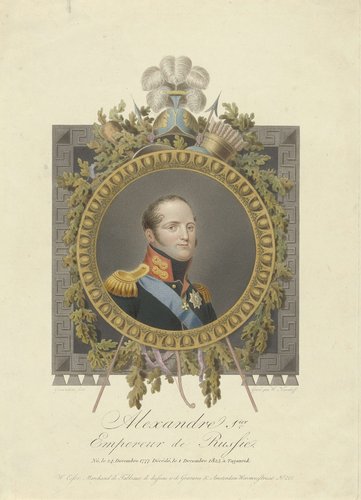
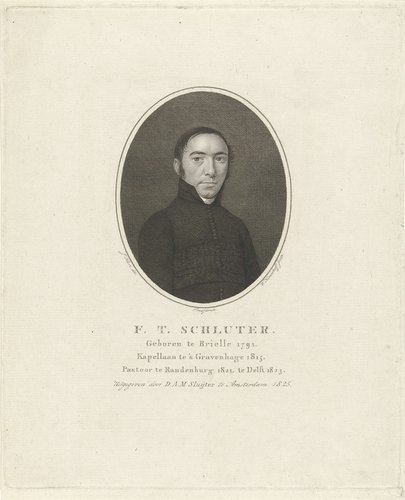
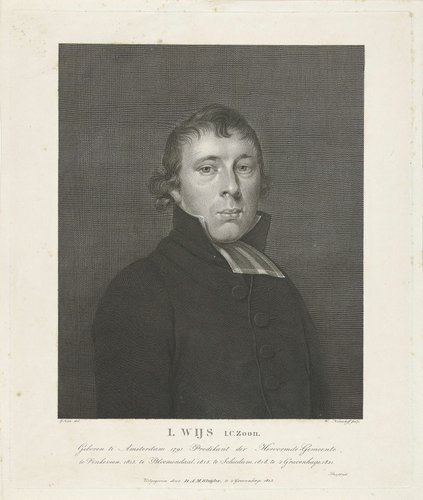
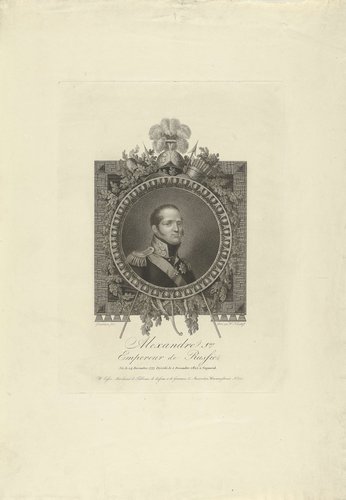
Walraad Nieuwhoff (1790/91–1837) was a Dutch printmaker and engraver whose career coincided with the turbulent early decades of the nineteenth century in the Netherlands, a period encompassing the final years of French occupation, the establishment of the Kingdom of the Netherlands, and the early reign of King William I. Working primarily in aquatint and line etching, Nieuwhoff created topographical views, architectural subjects, and portraits that documented Dutch urban landscapes and commemorated notable individuals. His prints of Haarlem's architecture and his reproductive engravings after other artists demonstrate the continued vitality of printmaking in the Netherlands during a period of political transformation and cultural renewal.
Walraad Nieuwhoff was born in 1790 or 1791 in the Netherlands, during the final years of the Dutch Republic before its dissolution in 1795 and replacement by the French-dominated Batavian Republic. He came of age during the Napoleonic period when the Netherlands was incorporated into the French Empire (1810–1813), experiencing French cultural influences alongside traditional Dutch artistic practices.
Nieuwhoff established himself as a printmaker working in multiple techniques, particularly aquatint and line etching. Aquatint, invented in the mid-eighteenth century, allowed for the creation of tonal areas resembling wash drawings, making it ideal for atmospheric landscape and architectural subjects. Line etching, the traditional technique of using acid to bite drawn lines into copper plates, offered different aesthetic possibilities and was often combined with aquatint in sophisticated prints.
His documented works include aquatints after designs by Jan Pannebakker and other artists, demonstrating his role as a reproductive printmaker. Reproductive engravers and etchers performed crucial cultural functions in the pre-photographic era, translating paintings, watercolors, and drawings into prints that could be widely circulated. These prints served collectors who could afford original artworks, provided study material for artists and students, and made images of important buildings and views available to broad audiences.
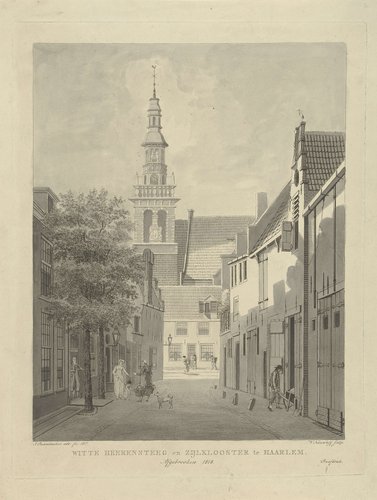
Nieuwhoff specialized in topographical subjects, particularly views of Haarlem and its architectural landmarks. The Google Arts & Culture and Pictura Antique Prints collections hold several of his works, including aquatints from 1817 depicting the Houtpoort (Wood Gate) in Haarlem and views of the Witte Herensteeg and Zijlklooster in Haarlem. These prints document Haarlem's urban landscape during the early nineteenth century, preserving images of buildings and streetscapes, some of which may have since been altered or demolished.
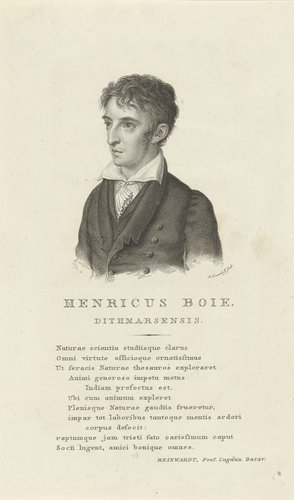
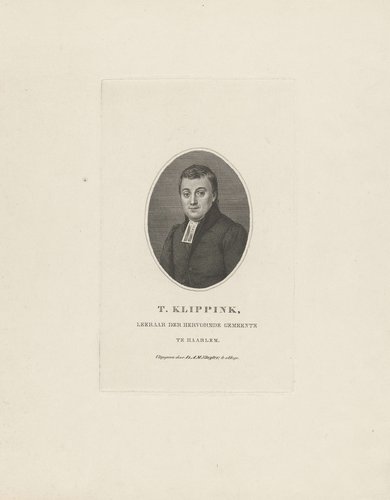
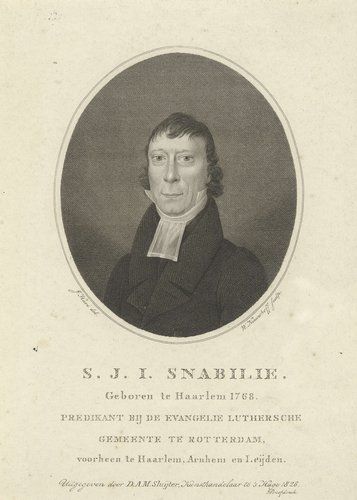
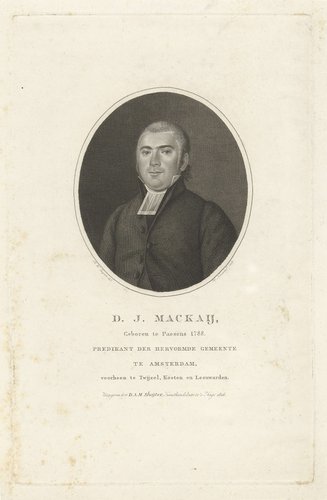
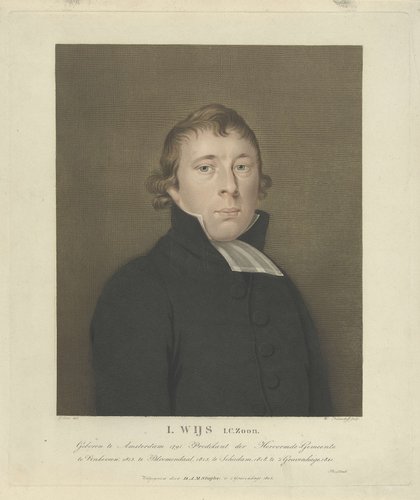
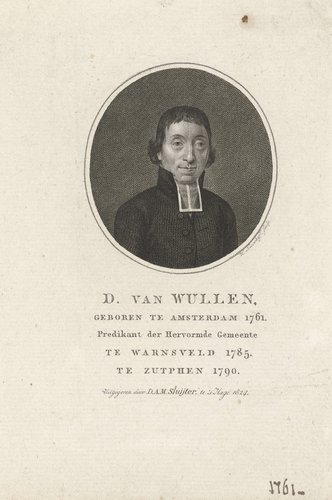
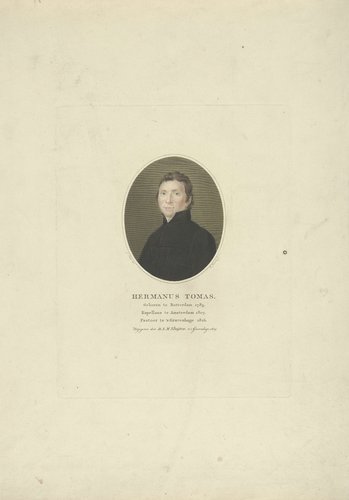
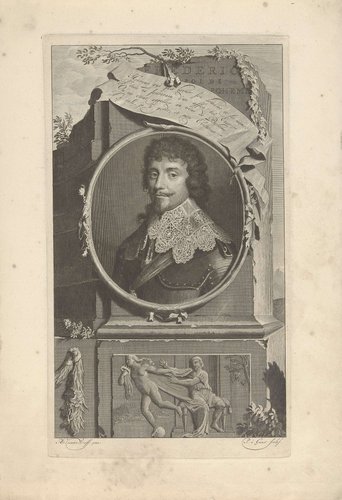
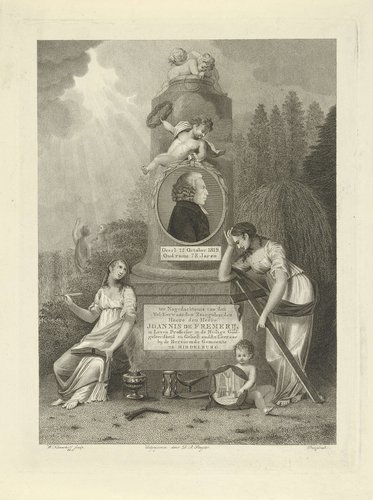
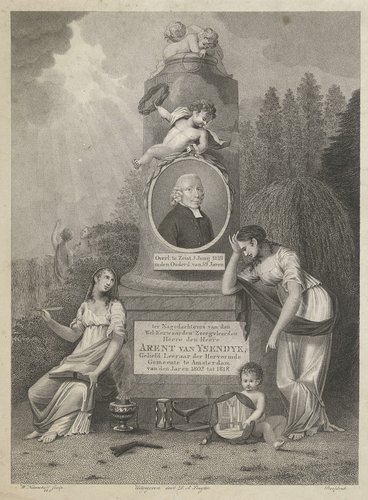
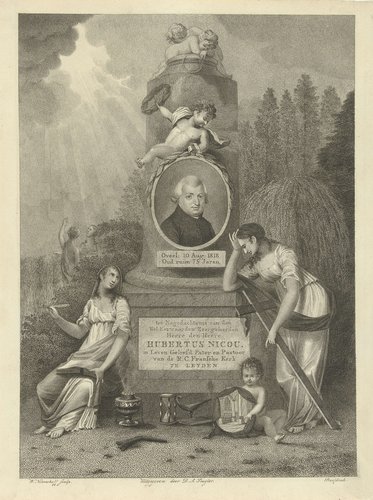
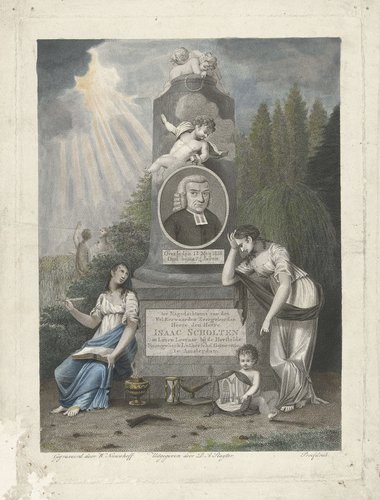
He also created portraits, including a portrait of Johannes Henricus Nieuwold and a portrait of Johannes Samuel van Staveren, both held in the Google Arts & Culture collections. Portrait engravings served commemorative functions, circulating the likenesses of notable individuals among family, colleagues, and admirers. The ability to create effective portrait prints required both technical skill and understanding of how to capture individual physiognomy and character.
The Rijksmuseum holds at least one work by Nieuwhoff: an engraving depicting the Dutch fleet near Goeree after the Four Days' Battle (Vierdaagse Zeeslag), created after a design by Hendrik Vettewinkel and dated from the period 1800–1837. This naval subject reflects continued Dutch interest in their maritime heritage and the significant naval battles of the seventeenth and eighteenth centuries.
Walraad Nieuwhoff died in 1837, having worked through the dramatic political transformations that saw the Netherlands transition from French occupation to independent kingdom. His death at age forty-six or forty-seven cut short what appears to have been a productive career documenting Dutch urban landscapes and contributing to the preservation of Dutch visual culture through reproductive printmaking.
Artheon Research Team
Last updated: 2025-11-09
Biography length: ~738 words
Wikidata (CC0)