Ctrl K
1855
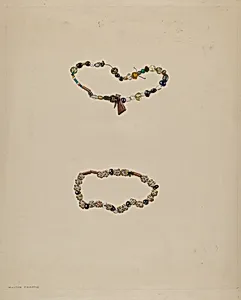
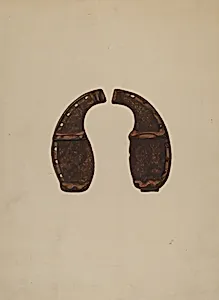
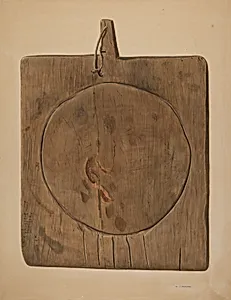
Walter Praefke (1912–1988) was an American artist born in Milwaukee, Wisconsin, whose career is most closely associated with the New Deal-era documentation of the nation’s material culture. Born on November 24, 1912, he became a participating artist in the Wisconsin Federal Art Project of the Works Progress Administration, contributing watercolor renderings to the ambitious Index of American Design. This nationwide initiative, launched in 1935, employed artists to create precise visual records of American folk art, crafts, tools, and decorative objects that were rapidly vanishing amid industrialization and economic hardship. Praefke’s involvement placed him among the Wisconsin artists working under project directors such as Charlotte R. Partridge, producing works that combined technical accuracy with an almost sculptural sense of form.
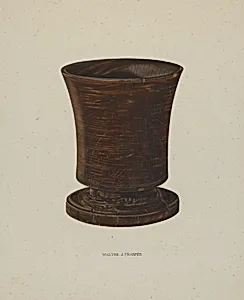
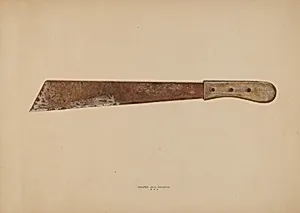
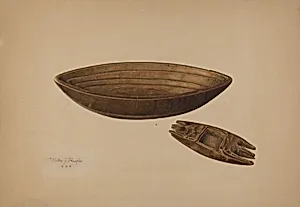
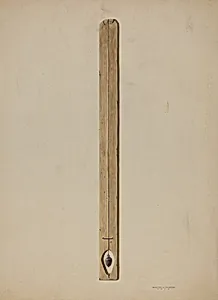
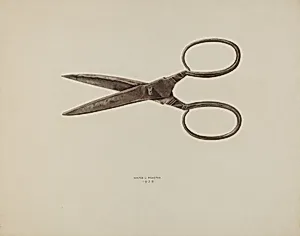
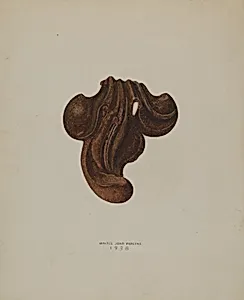
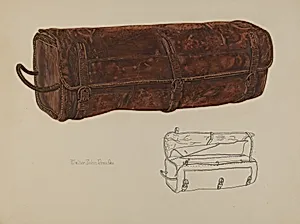
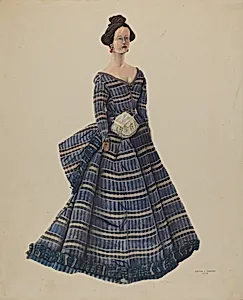
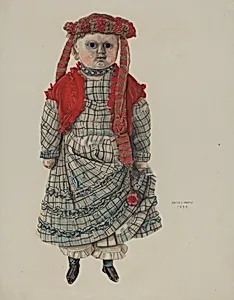
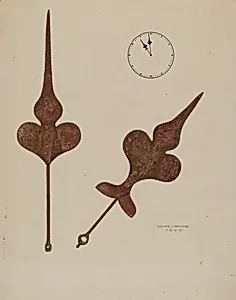
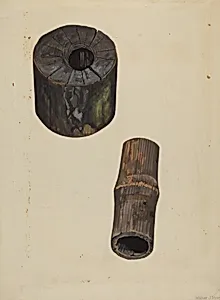
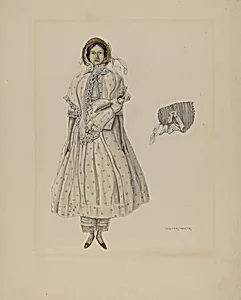
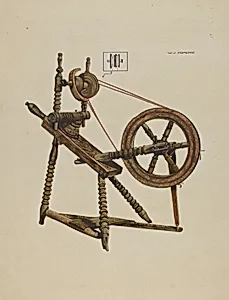
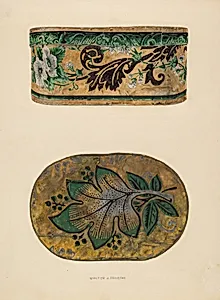
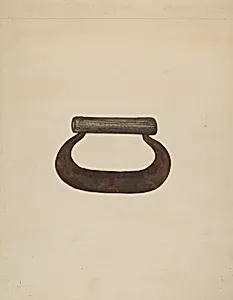
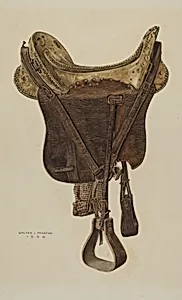
Little is known about Praefke’s formal artistic training, yet his surviving output reveals a disciplined eye for structure, proportion, and surface detail. Working primarily in watercolor, graphite, colored pencil, and occasional gouache or pen and ink on paperboard, he rendered ordinary yet historically resonant objects with remarkable clarity. Among his documented contributions are *Plumb Line and Board* (1939), *Corn Knife* (1939), *Maple Sugar Mold* (1939), *Scissors* (1939), *McLellan Saddle* (1938), *Ornamental Iron Leaf* (1938), and several dolls and clock hands, all now in the National Gallery of Art’s Index of American Design collection. These sheets capture not merely appearance but the functional logic and regional character of American vernacular design, from agricultural implements to household artifacts.
Praefke’s twenty works in the National Gallery of Art form a coherent body of documentary art that exemplifies the Index’s dual goals of preservation and aesthetic appreciation. By isolating each object against a neutral ground and rendering it with scientific precision, he elevated everyday tools and folk objects into studies of formal order and cultural memory. His contribution, though modest in scale compared with muralists or easel painters of the same period, remains valuable for the light it sheds on Midwestern material culture of the nineteenth and early twentieth centuries. Today these watercolors continue to serve scholars, designers, and the public as both historical records and quietly compelling works of art, testifying to the WPA’s lasting success in making American design visible and valued.