Ctrl K
1838–1909
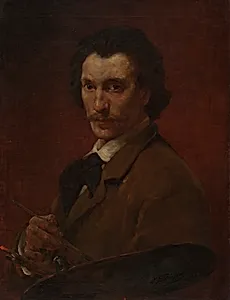
Walter Shirlaw (1838–1909) was a Scottish-born American painter and illustrator whose career bridged the genteel tradition of academic figure painting and the emerging ambitions of American art in the Gilded Age. Born in Paisley, Scotland, Shirlaw emigrated to the United States as a child and received his early artistic training in America before traveling to Munich to study at the Royal Academy — a path followed by many ambitious American artists of his generation seeking rigorous European instruction. In Munich he was exposed to the dark, richly painted figural work favored at the Academy, and this influence would mark his style throughout his career.
Shirlaw became one of the founding members of the Society of American Artists in 1877, a group of younger, Munich- and Paris-trained painters who sought to challenge the entrenched conservatism of the National Academy of Design. This act of institutional rebellion positioned Shirlaw among the reformers who would reshape American artistic life in the final decades of the nineteenth century. He also became a founding instructor at the Art Students League of New York, where he taught for many years and shaped the training of a subsequent generation of American artists.
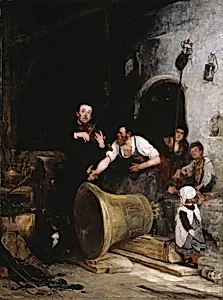
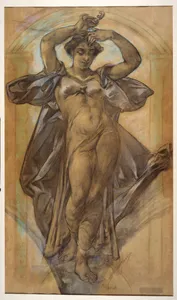
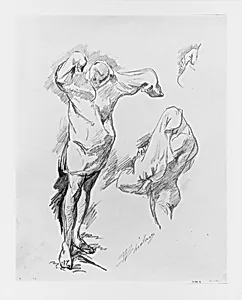
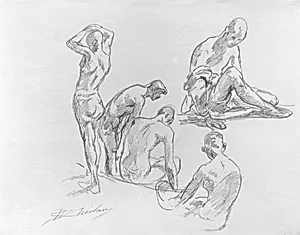
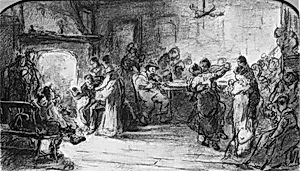
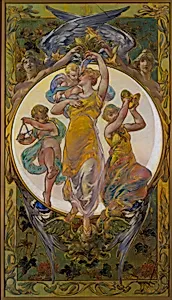
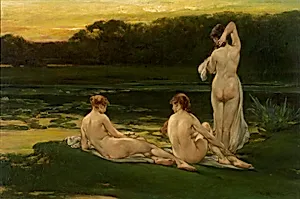
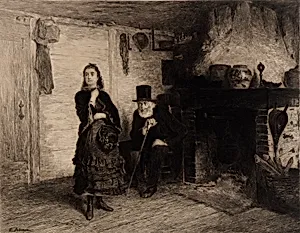
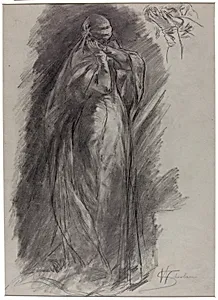
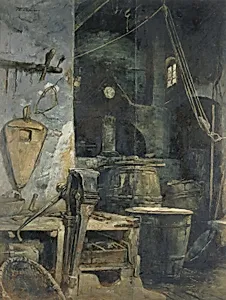
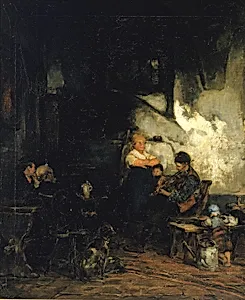
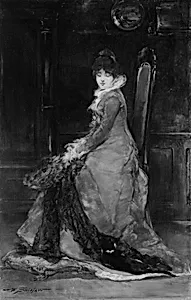
As a painter, Shirlaw excelled in idealized figure compositions, genre scenes, and mural work. His canvases often depicted graceful figures in softly lit, lyrical arrangements that reflected his Munich training while reaching toward a decorative elegance associated with the Aesthetic Movement. He also contributed illustrations to major American publications, extending his influence beyond the gallery wall.
Shirlaw's legacy rests on both his artistic production and his role as an educator and institution-builder. His commitment to elevating the standards of American art education, particularly through the Art Students League, left a lasting imprint on the profession.