Ctrl K
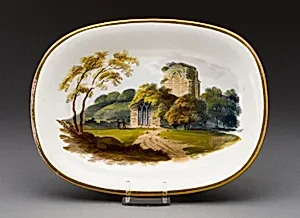
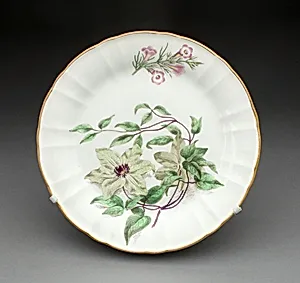
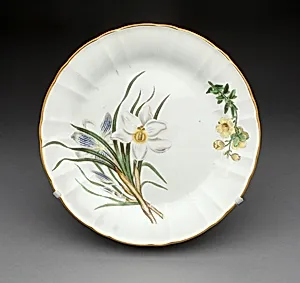
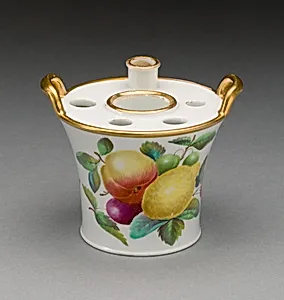
Wedgwood Manufactory, founded on 1 May 1759 by Josiah Wedgwood in Burslem, Staffordshire, England, revolutionized ceramics during the Industrial Revolution. Born into a family of potters, Josiah apprenticed under his elder brother Thomas at the Churchyard Works from age 14, mastering traditional techniques before partnering with Thomas Whieldon from 1754 to 1759, where he honed innovative glazes. Establishing his independent works at the Ivy House, Josiah married his cousin Sarah Wedgwood, whose dowry supported expansion, and later built the landmark Etruria factory in 1769, incorporating steam power and division of labor for mass production.
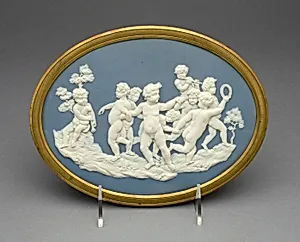
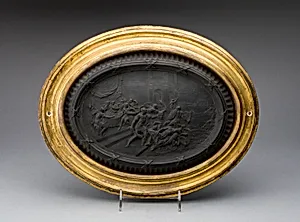
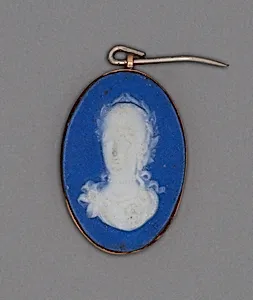
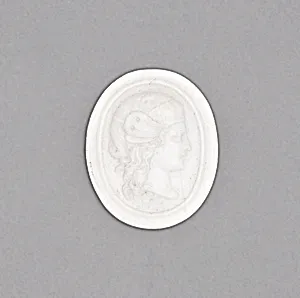
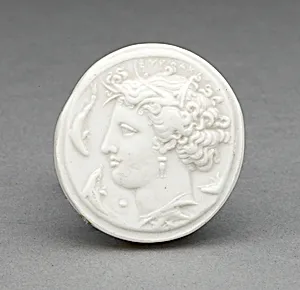
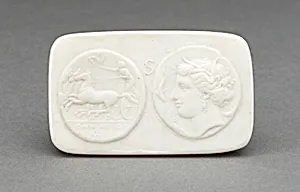
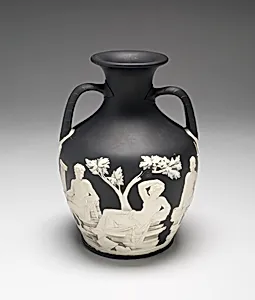
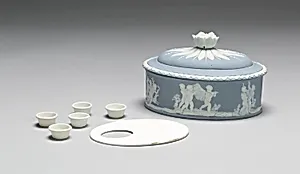
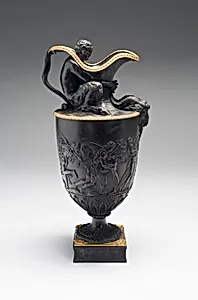
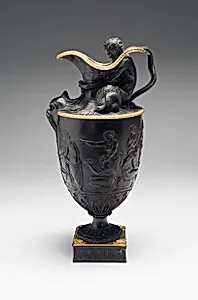
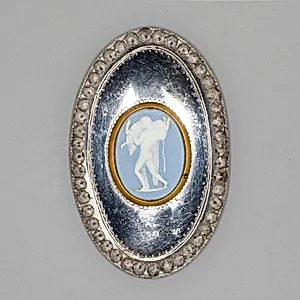
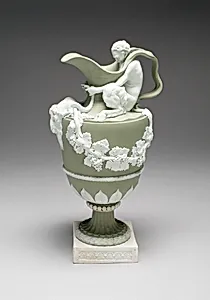
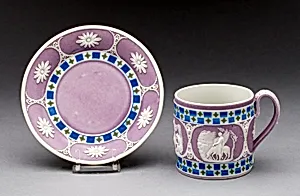
Wedgwood excelled in the neoclassical tradition, drawing from Greek, Roman, and Etruscan artifacts to create unglazed stonewares like black basalt (perfected 1769) and jasperware (1770s), the latter's signature blue body with white relief figures imitating ancient cameos. Josiah's creamware, refined in 1765 and dubbed "Queen's ware" after Queen Charlotte's patronage, offered porcelain-like refinement at affordable prices. Key modellers included William Hackwood, chief from 1769 to 1832; John Flaxman, who designed reliefs like the "Dancing Hours" from 1775; and Henry Webber, sculptor of the Portland Vase replica.
Iconic works include the monumental Frog Service (1774), a 944-piece creamware set for Catherine the Great featuring English views; the jasperware Anti-Slavery Medallion ("Am I Not a Man and a Brother?", c. 1787), millions produced for abolitionists; and the pioneering Portland Vase copy (c. 1790) in black jasperware. Passed to Josiah's sons and grandsons, the firm pioneered global marketing, canals for transport, and artist collaborations into the 20th century with figures like Eric Ravilious. Today owned by Fiskars, Wedgwood's legacy endures in Barlaston, blending heritage craftsmanship with innovation, its jasperware symbolizing neoclassical elegance and industrial artistry—231 pieces grace this virtual museum's collection.