Ctrl K
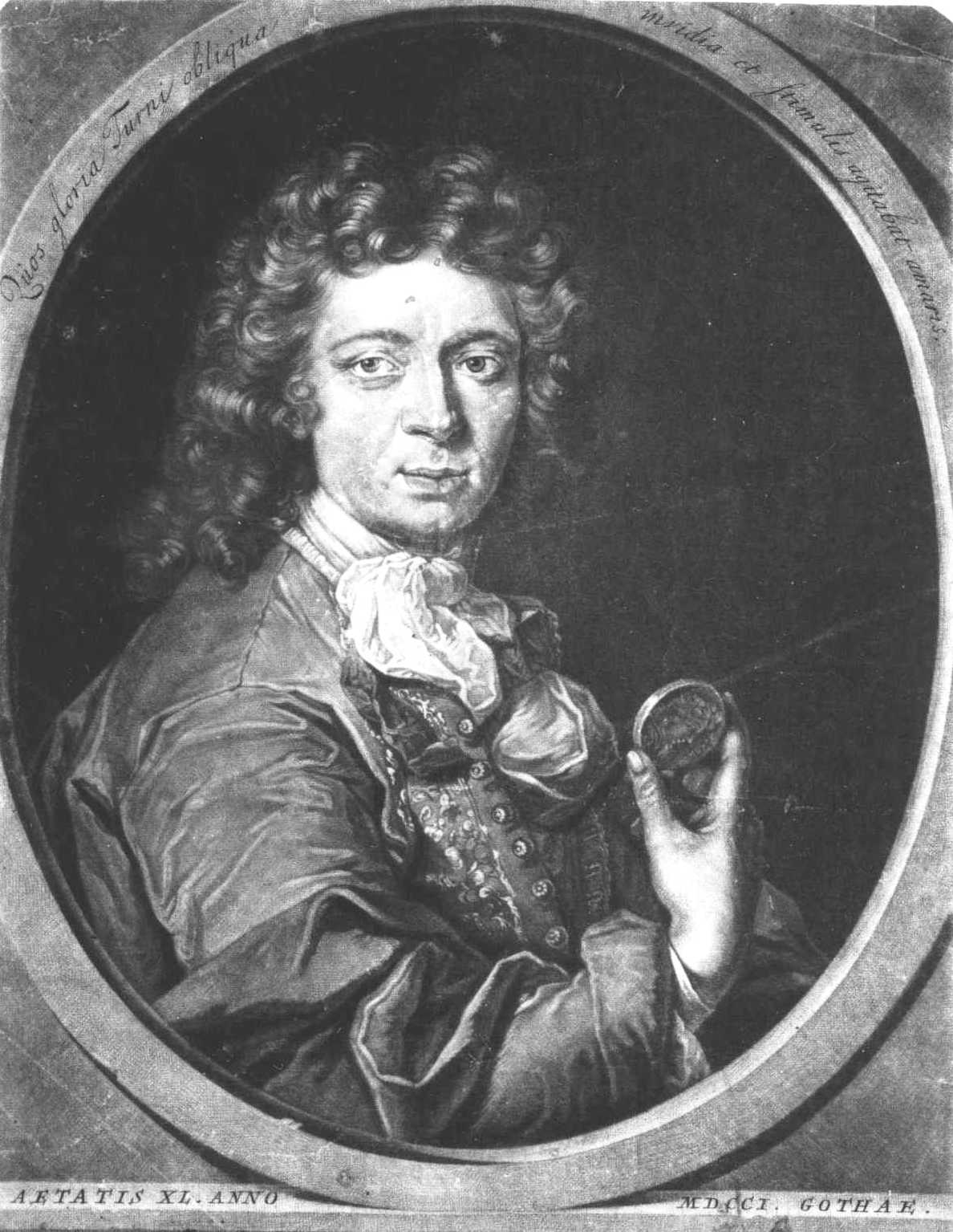
1661–1739
Occupations
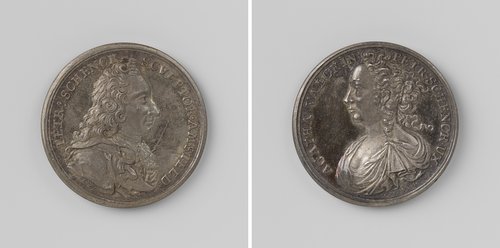
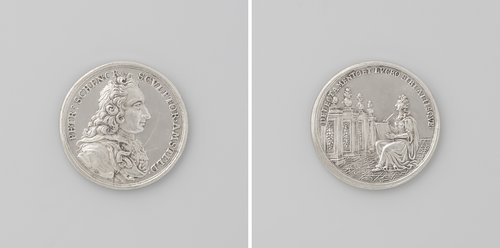
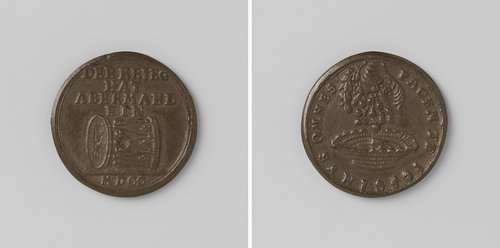
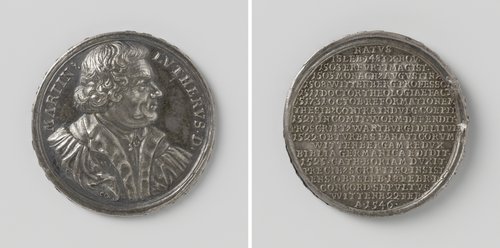
Christian Wermuth (1661–1739) was a prolific and highly influential German medallist, coin engraver, bookseller, and publisher whose work epitomized the Baroque tradition of medallic art in the German territories. Born on December 16, 1661, in Altenburg and dying on December 3, 1739, in Gotha, Wermuth's career spanned nearly eight decades of intense artistic production, pedagogical influence, and entrepreneurial activity. His medals chronicled the major political, military, and cultural events of the late 17th and early 18th centuries, creating a numismatic narrative of European history during the age of absolutism and the wars of Louis XIV. Wermuth's professional life centered on Gotha, where he established himself as the Saxon-Gotha court medalist and coin engraver in 1688. From this position, he produced thousands of medals commemorating everything from military victories and royal births to political treaties and cultural achievements. His work combined technical virtuosity in the demanding art of die-cutting with sophisticated allegorical and iconographic programs that reflected contemporary political ideology and Baroque aesthetic sensibilities. Perhaps Wermuth's most significant legacy was his establishment of a stamp-cutting school in Gotha, which became one of the most important centers for training medallists in German-speaking Europe. From this institution emerged numerous significant artists including Johann Christian Koch, Johann Christian Weber, Johann Friedrich Hilken, and Rudolf Philipp Wahl, all of whom carried Wermuth's technical knowledge and aesthetic principles throughout the German territories. Additionally, Wermuth founded a publishing house, expanding his influence beyond medallic art to the broader world of print culture. His entrepreneurial energy and pedagogical dedication established Gotha as a major center of medallic art, while his thousands of medals—held in major collections including the Metropolitan Museum of Art and the Smithsonian Institution—continue to provide invaluable historical and artistic documentation of the Baroque period.
Christian Wermuth was born on December 16, 1661, in Altenburg, a town in present-day Thuringia that was then part of the Duchy of Saxe-Altenburg. Altenburg had a distinguished cultural heritage, and its courts patronized various arts including medallic work.
Little is documented about Wermuth's early training, but he must have received comprehensive instruction in the demanding technical skills required for medal engraving. Medallic art required mastery of several related crafts: the ability to draw designs, model them in low relief, and cut the hardened steel dies used to strike medals. Each stage demanded different skills and years of practice.
The Baroque period in which Wermuth came of age valued medals as important vehicles for political propaganda, dynastic celebration, and cultural commemoration. German courts employed medallists to create tangible symbols of power, legitimacy, and cultural achievement. Young Wermuth's training would have emphasized not only technical skills but also understanding of the complex iconographic and allegorical programs that gave medals their meaning.
By the mid-1680s, Wermuth had achieved sufficient mastery to seek professional appointment. His skills in die-cutting and his understanding of numismatic traditions made him an attractive candidate for court positions.
In 1686, Wermuth received his first official appointment, becoming an engraver at the Gotha Mint. This position provided stable income and access to the necessary facilities and materials for medallic production. The Gotha Mint served the Duchy of Saxe-Gotha, one of the many German states that emerged from the division of Saxon territories.
Just two years later, in 1688, Wermuth's skills earned him promotion to the prestigious position of royal Saxon-Gotha court medalist and coin engraver. This appointment made him the official creator of medals and coins for the duchy, responsible for commemorating important events and producing the symbols of ducal authority.
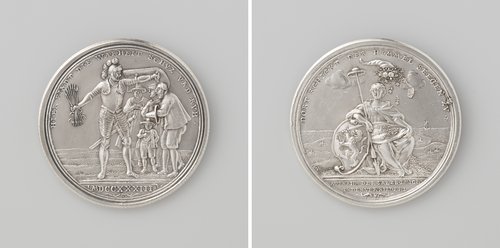
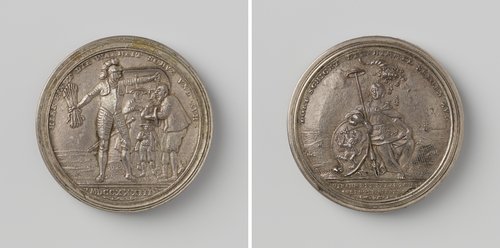
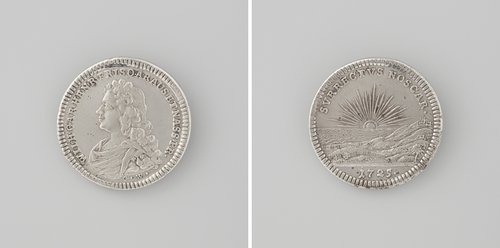
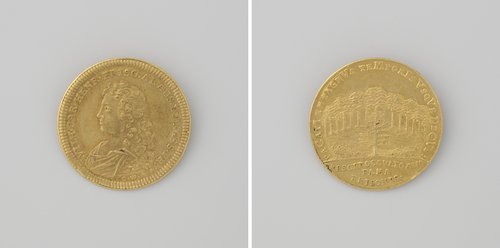
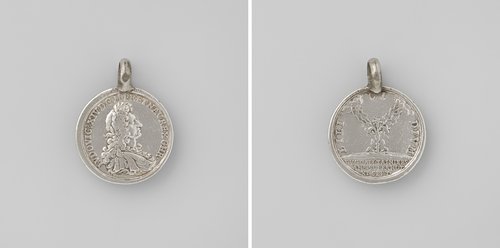
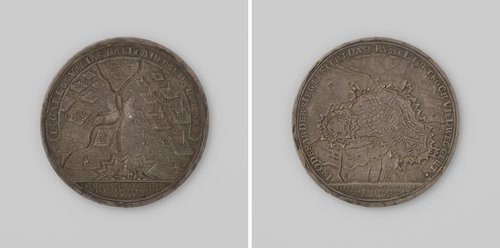
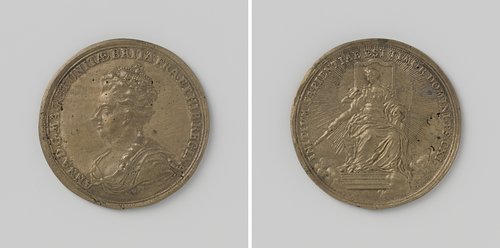
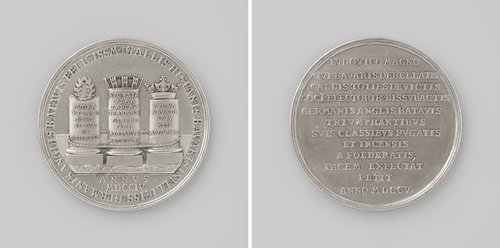
As court medalist, Wermuth produced medals marking a wide range of occasions: military victories, peace treaties, royal births and marriages, deaths of important figures, religious commemorations, and celebrations of cultural achievements. Each required appropriate iconographic programs drawing on classical mythology, Christian symbolism, and contemporary political allegory.
Wermuth's early production demonstrated the characteristics that would mark his entire career: technical precision in die-cutting, sophisticated understanding of allegorical representation, and prolific output. His medals from this period chronicled the tumultuous events of the era, including the Nine Years' War (1688–1697) and the Peace of Rijswijk (1697), which ended that conflict.
The early 18th century saw Wermuth at the height of his powers and influence. He continued his prolific production of medals while simultaneously establishing the institutional and pedagogical infrastructure that would extend his influence beyond his own lifetime.
Wermuth founded a stamp-cutting school in Gotha, recognizing that the specialized skills of medallic art required systematic instruction. This school became one of the most important training centers for medallists in German-speaking Europe. The curriculum presumably included drawing, modeling in wax or clay, die-cutting in steel, and understanding of numismatic iconography.
From Wermuth's school emerged a remarkable group of artists who became significant medallists in their own right. Johann Christian Koch (1677–1747) became court medalist in Dresden. Johann Christian Weber worked in Leipzig. Johann Friedrich Hilken served various German courts. Rudolf Philipp Wahl continued the medallic tradition into the mid-18th century. These students carried Wermuth's technical knowledge and aesthetic principles throughout the German territories, establishing a "school of Wermuth" that influenced German medallic art for decades.
In addition to his school and workshop, Wermuth founded a publishing house in Gotha. This entrepreneurial expansion allowed him to influence print culture more broadly, publishing books and prints alongside his medallic production. This integration of different media—medals, prints, and books—reflected the interconnected nature of Baroque visual and print culture.
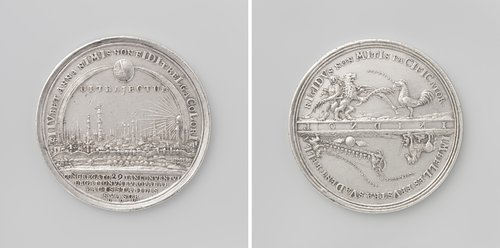
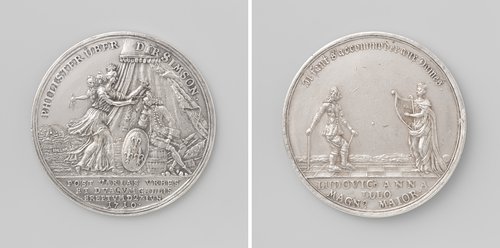
Wermuth's medallic production during these decades was extraordinary in its volume and range. He produced medals commemorating the War of Spanish Succession (1701–1714), the Great Northern War (1700–1721), various dynastic events across German courts, and cultural achievements. His work served not merely as art but as historical documentation and political commentary.
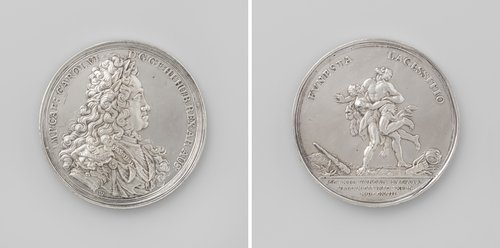
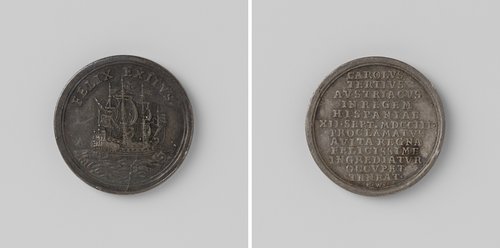
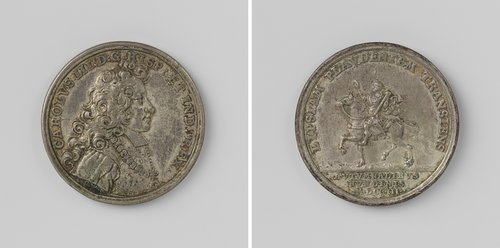
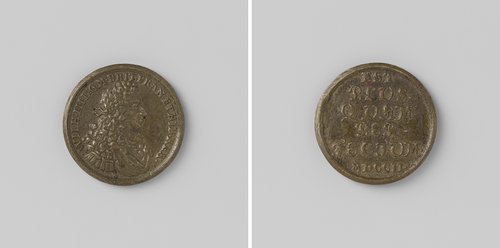
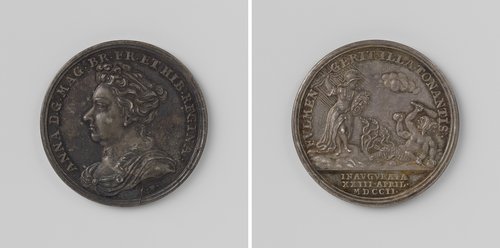
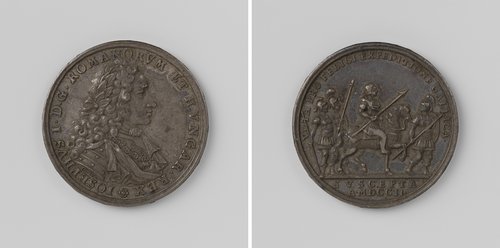
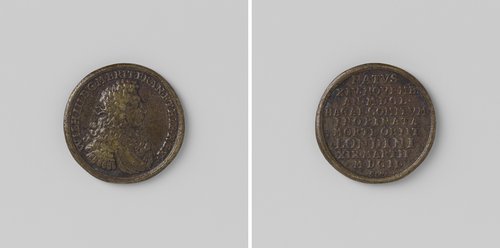
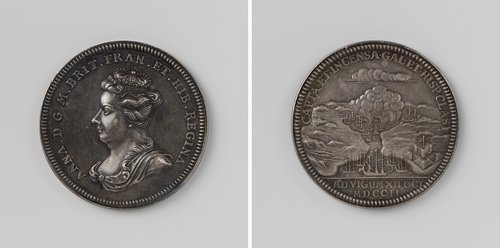
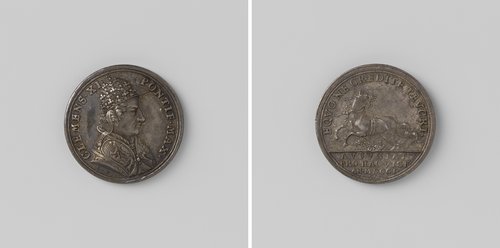
His medal commemorating the Peace of Rijswijk, now in the Metropolitan Museum of Art, exemplifies his sophisticated approach. Such pieces combined precise portrait work with elaborate allegorical reverse designs, all executed at the small scale of a medal—typically 40-50mm in diameter.
Wermuth remained active into his final decade, though the exact extent of his production in these years is unclear. His school and workshop continued operating, with students and assistants carrying forward his methods and aesthetic principles.
Christian Wermuth died on December 3, 1739, in Gotha, three days before his seventy-eighth birthday. He had worked as a medallist for over five decades, producing thousands of medals that chronicled more than half a century of European history.
His death marked the end of a remarkable career, but his influence continued through his numerous students and the institutional structures he had established. The stamp-cutting school he founded continued to train medallists, extending his technical and aesthetic legacy well into the 18th century.
Wermuth's medals remained highly valued by collectors and historians. Their combination of artistic quality and historical documentation ensured continued interest. In 1992, the British Art Medal Society published a comprehensive scholarly study by Cordula Wohlfahrt, "Christian Wermuth: A German Medallist of the Baroque Age," which established Wermuth's importance in the history of medallic art and provided systematic cataloging of his extensive oeuvre.
Artheon Research Team
Last updated: 2025-11-09
Biography length: ~1,580 words
Wikidata/Wikimedia Commons