Ctrl K
Hans Kalmsteiner (ca. 1882/1886–ca. 1914/1916) was an Austrian graphic designer, illustrator, and painter based in Vienna. He contributed to the Wiener Werkstätte, the influential design collective founded in 1903 by Josef Hoffmann and Koloman Moser, which promoted modern, high-quality applied arts across graphics, ceramics, textiles, and more. Kalmsteiner’s output aligned closely with the Werkstätte’s emphasis on colorful, stylized, and accessible designs, often produced as postcards, prints, and decorative items for a broad audience.
Active in Vienna’s vibrant early twentieth-century art scene, Kalmsteiner worked primarily in graphic media. He created vibrant, playful illustrations featuring bold colors and simplified forms suited to commercial and decorative purposes. In addition to prints, he painted on china. He exhibited at the Kunstschau in 1908 and 1909, events that showcased progressive Austrian design.
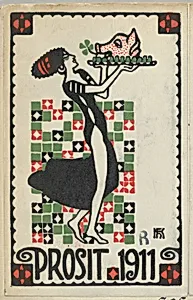
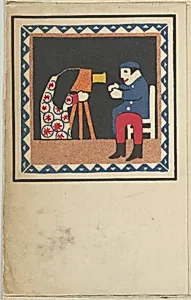
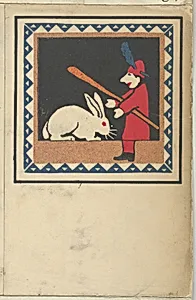
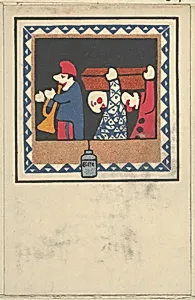
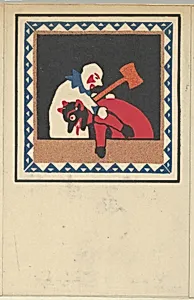
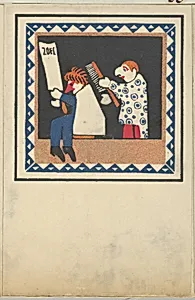
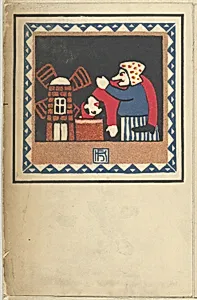
Among his best-known works are the series of postcards and prints titled *Kasperltheater* (Puppet Theater), published by the Wiener Werkstätte around 1907–1910. These feature stylized scenes of traditional puppet performances rendered in bright, graphic style. Other designs include New Year’s greeting cards, such as one from 1911, reflecting the Werkstätte’s focus on everyday luxury objects.
Kalmsteiner’s contributions helped shape the visual identity of the Wiener Werkstätte’s graphic output during its early years. His prints and designs remain in major collections, including the Metropolitan Museum of Art, where multiple *Kasperltheater* examples are preserved, underscoring his role in bridging fine art and applied design within the Austrian modern movement.