Ctrl K
1909–1974
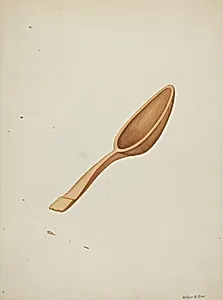
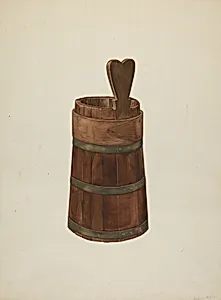
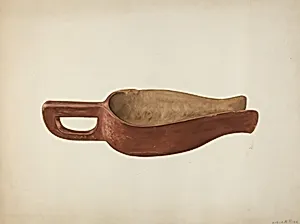
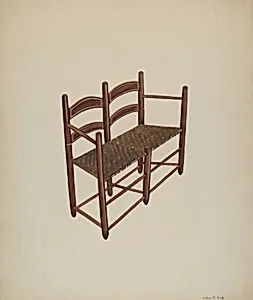
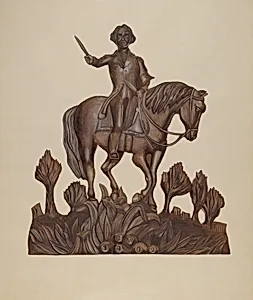
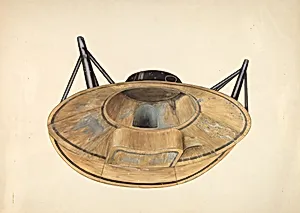
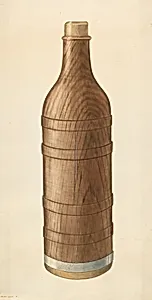
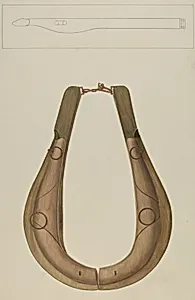
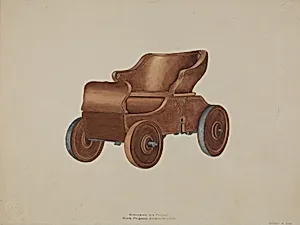
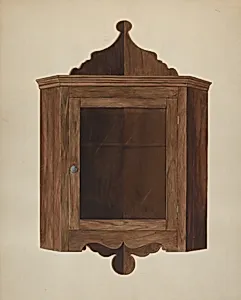
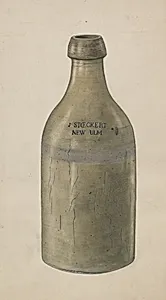
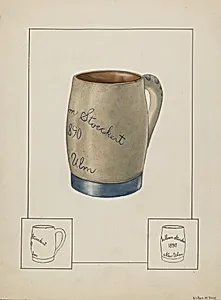
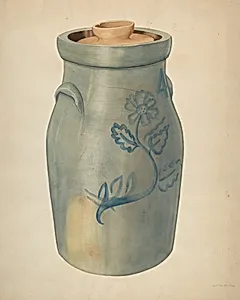
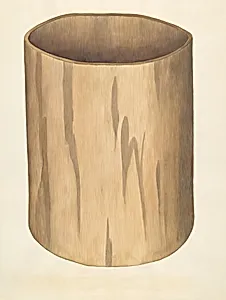
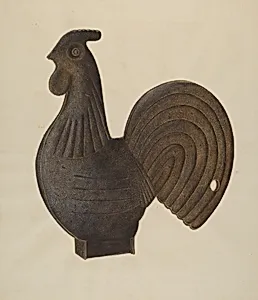
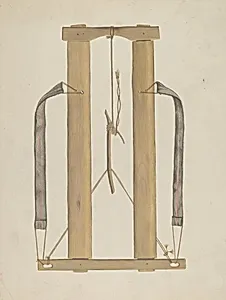
**Wilbur M. Rice (1909–1974)** was an American artist best known for his meticulous contributions to the Index of American Design, a Federal Art Project under the Works Progress Administration (WPA) during the Great Depression. Active primarily between 1935 and 1942, Rice produced detailed watercolor, gouache, and graphite renderings of everyday American folk objects, tools, toys, and crafts. These works, numbering 39 in the National Gallery of Art's collection, capture the ingenuity of vernacular design from the colonial era through the early 20th century, preserving artifacts that might otherwise have been lost to time.
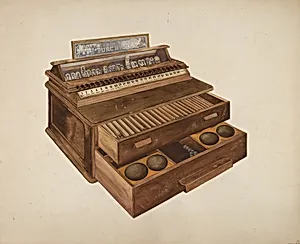
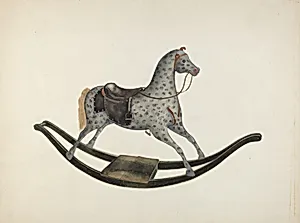
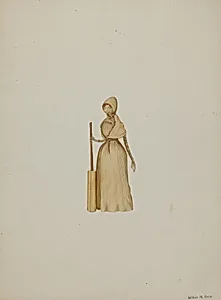
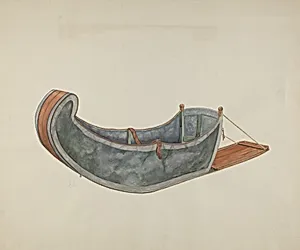
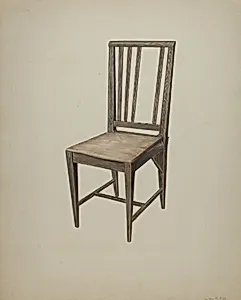
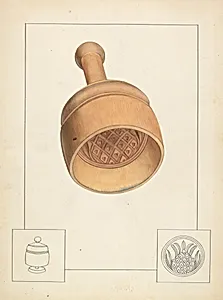
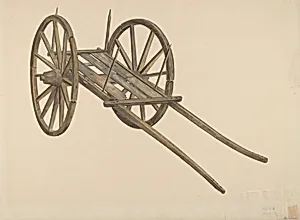
Rice's output focused on functional and whimsical items reflective of rural and pioneer life, often tied to the Midwest, including the Minnesota Project. Notable examples include *Wooden Cash Register* (c. 1942), a playful gouache depiction of a child's toy store fixture; *Hobby Horse* (c. 1941), evoking childhood joys with vibrant watercolor strokes; *Butter Mold* (c. 1937), showcasing carved wooden utensils; and *Red River Dog Sled* (c. 1938), a regional transport rendered with precise graphite outlines. Other highlights feature *Corn Husk Doll on Horse* (1935–1942), *Ox Cart Chair* (c. 1939), *Prairie Schooner Seat* (c. 1937), and *Foot Stove* (c. 1937), blending utility with folk artistry in earthenware, wood, and textiles.
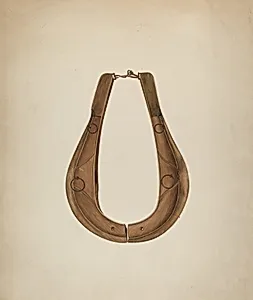
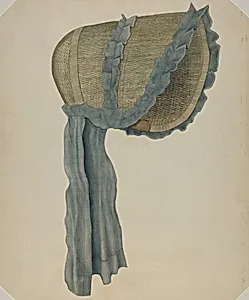
Working in a hyper-realistic style suited to documentation, Rice employed layered media—watercolor for color depth, gouache for opacity, and graphite for fine details—to highlight textures, forms, and historical patina. His illustrations transcend mere cataloging, infusing objects like the *Horseshoe Bonnet* (1935–1942) or *Wooden Pig* (1935–1942) with a sense of lived history, emphasizing regional crafts such as Shaker influences or pioneer wagons.
Though Rice's early life and formal training remain not well documented, his Index pieces endure as vital records of America's material culture. Housed in major institutions, they educate on the WPA's role in fostering artistic employment while safeguarding folk heritage, influencing later studies in American design and craft revival. Today, Rice's precise visions bridge past and present, reminding us of the artistry in the commonplace.(312 words)