Ctrl K
1856–1931
**Wilhelm von Gloeden (1856–1931)** was a German photographer best known for his evocative pastoral studies of Sicilian youths posed as figures from classical antiquity. Born Wilhelm Iwan Friederich August von Gloeden on September 16, 1856, in Wismar in the Grand Duchy of Mecklenburg-Schwerin, he pursued artistic training that shaped his distinctive vision. He studied art history at the University of Rostock in 1876 and painting under Karl Gehrts at the Weimar Saxon-Grand Ducal Art School from 1876 to 1877. Health issues, likely tuberculosis, interrupted his studies, prompting his move to Italy in 1877–78 in search of a milder climate. He settled in Taormina, Sicily, where his half-sister Sophie Raabe later joined him, and he remained based there for most of his life, aside from a wartime exile from 1915 to 1918.
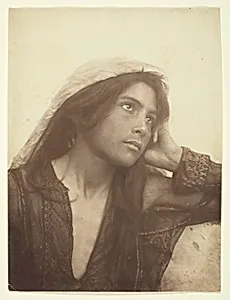
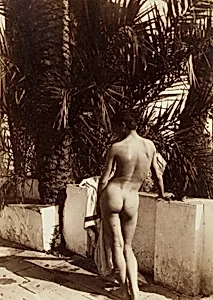
In Taormina, von Gloeden turned to photography, learning key techniques from local pharmacist and photographer Giuseppe Bruno while drawing inspiration from interactions with Giovanni Crupi and his cousin, the photographer Wilhelm von Plüschow. He established a studio and quickly gained international recognition, exhibiting from the 1890s onward in cities including London, Berlin, and Philadelphia. His work blended landscape photography with carefully composed figure studies, often featuring local boys and young men adorned with wreaths, amphoras, or togas against ancient ruins or Mediterranean scenery. These images evoked an idyllic, Homeric Greece or Rome, employing innovative methods such as photographic filters and a custom body makeup of milk, olive oil, and glycerin to soften skin tones and enhance the luminous, classical effect. Notable examples include *Caino* and *Hypnos*, which exemplify his elegant poses and controlled lighting.
Von Gloeden’s photographs attracted wealthy patrons and visitors, including Oscar Wilde, Friedrich Alfred Krupp, and even Wilhelm II, while also boosting tourism to Taormina. He shared proceeds with his models and documented local life alongside his more famous nudes. Though his archive faced destruction under Fascist authorities in the 1930s, surviving works are preserved in major collections such as the Fratelli Alinari archive. Today he is celebrated as a pioneer of homoerotic photography and one of the founders of modern homosexual iconography, whose Arcadian visions continue to influence perceptions of beauty, classical revival, and queer visual culture. His legacy endures through the transformative impact his images had on Sicilian tourism and the enduring appeal of his idealized Mediterranean tableaux.