Ctrl K
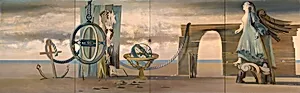
Willem de Kooning (1904–1997) was a Dutch-born American painter who stands as one of the towering figures of Abstract Expressionism and one of the most influential artists of the twentieth century. Born in Rotterdam, he trained at the Rotterdam Academy of Fine Arts and Applied Sciences, receiving a thorough grounding in academic drawing and design. In 1926 he immigrated to the United States, eventually settling in New York, where he became part of the extraordinary community of artists who would transform Western painting after World War II.
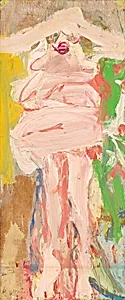
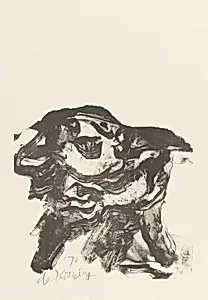
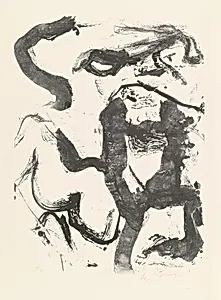
De Kooning's mature style defies easy categorization: he maintained a fierce and productive tension between abstraction and figuration throughout his career, refusing to abandon the human body even as he subjected it to explosive painterly violence. His celebrated Women series of the early 1950s — monumental, confrontational canvases depicting female figures with slashing brushwork and lurid color — generated enormous controversy and debate, challenging both Abstract Expressionist orthodoxy and conventional representations of gender. Paintings such as Woman I (1950–52, Museum of Modern Art) became touchstones of postwar American art.
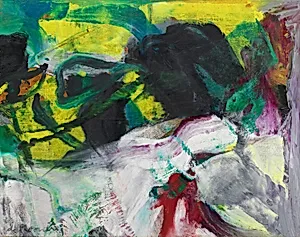
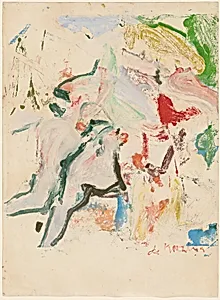
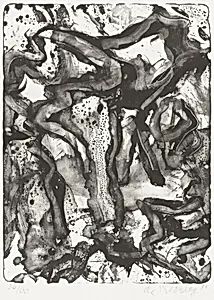
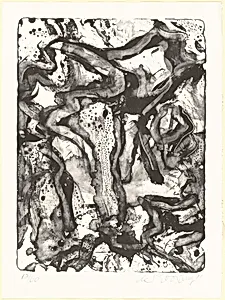
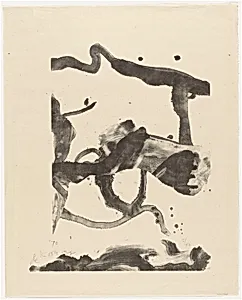
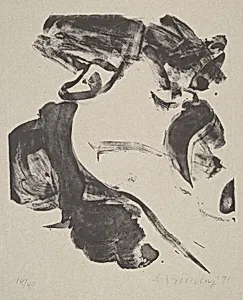
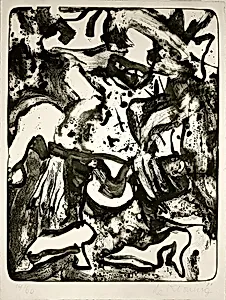
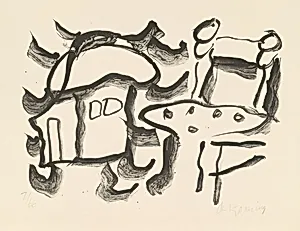
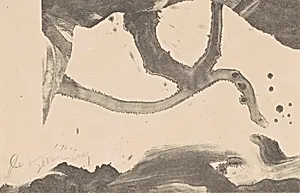
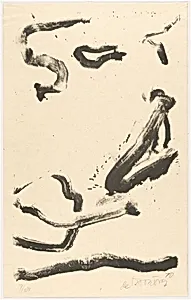
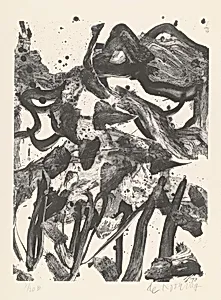
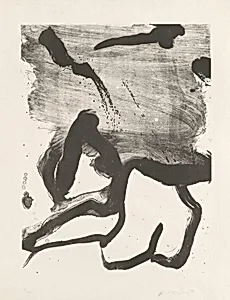
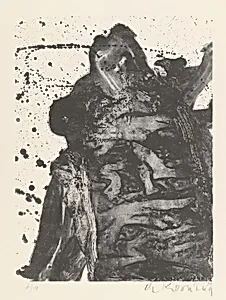
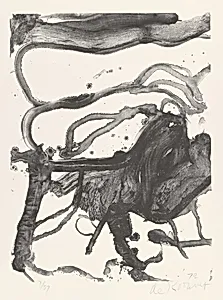
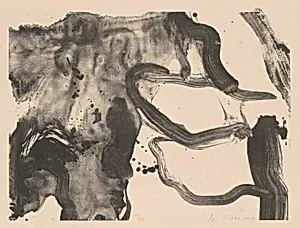
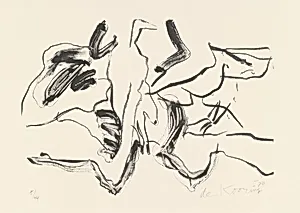
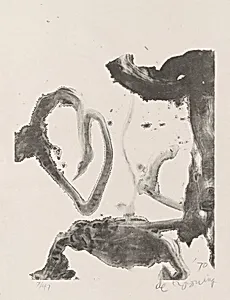
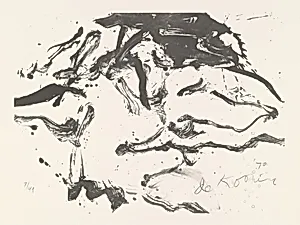
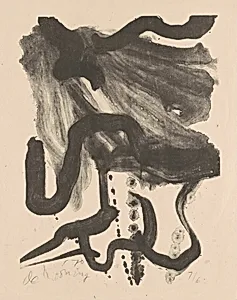
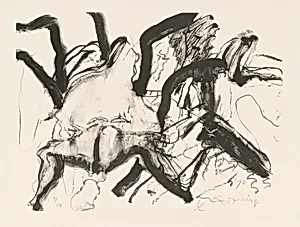
Alongside the Women paintings, de Kooning produced vast abstract compositions — the Excavation series, the urban landscapes, and later the more lyrical, open works of his final decades on Long Island — that demonstrate his extraordinary range and his lifelong commitment to paint as a physical, gestural medium. His brushwork, simultaneously controlled and unleashed, influenced generations of painters worldwide.
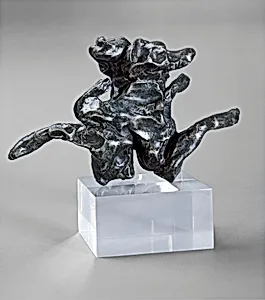
De Kooning's legacy is immense. He helped establish New York as the center of the postwar art world, and his refusal to resolve the tension between abstraction and representation opened paths that artists continue to explore. His work is held in virtually every major museum collection, and his influence on subsequent painting — from Neo-Expressionism to contemporary figuration — remains deeply felt.