Ctrl K
**Willem van de Passe and Magdalena van de Passe: Engraving Prodigies of the Van de Passe Dynasty**
Willem van de Passe (c. 1597/98–c. 1636/37) and his sister Magdalena van de Passe (1600–1638) were standout engravers in the illustrious Van de Passe family, a dynasty of Dutch printmakers founded by their father, Crispijn van de Passe the Elder. Born in Cologne amid the family's flight from religious persecution, the siblings trained under their father's expert guidance in the family workshop, honing their skills in reproductive engraving from a young age. Crispijn I, who had studied in Antwerp and worked for the Plantin Press, instilled in them the precise techniques of the Antwerp tradition, emphasizing portraits, allegories, and book illustrations. Magdalena signed her first works at age 14, while Willem's early prints bore French privileges in the 1610s.
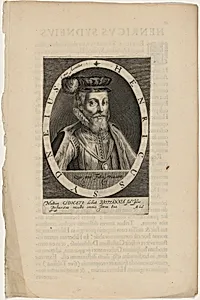
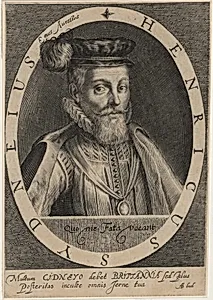
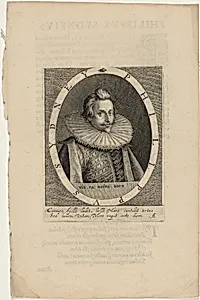
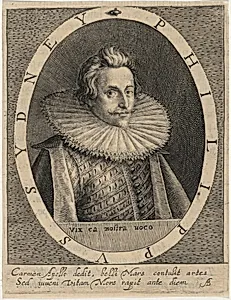
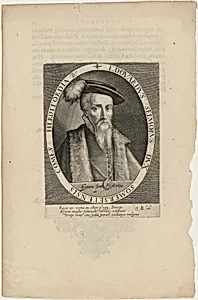
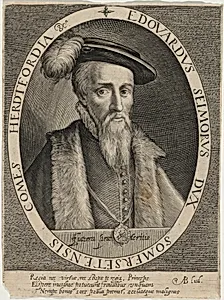
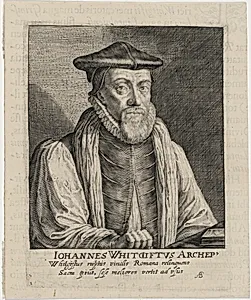
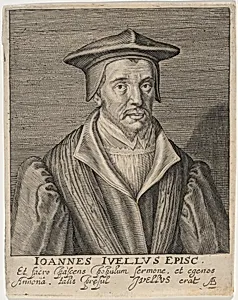
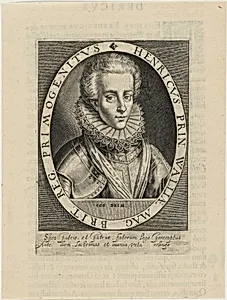
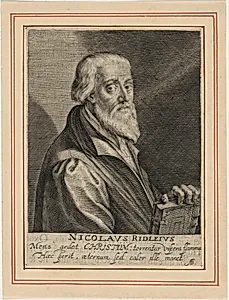
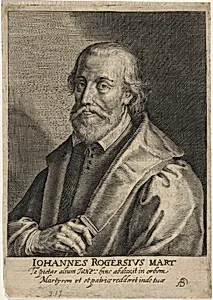
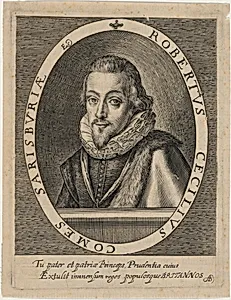
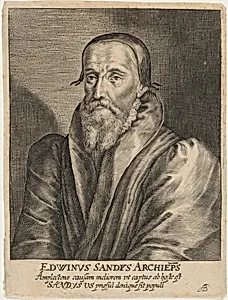
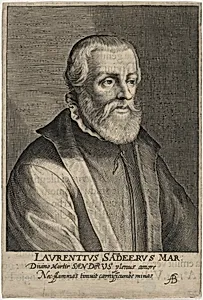
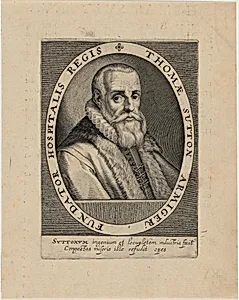
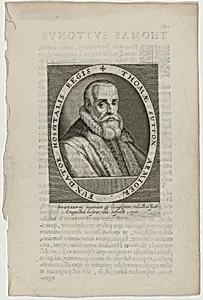
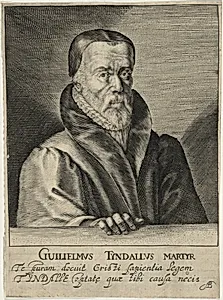
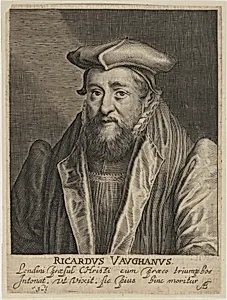
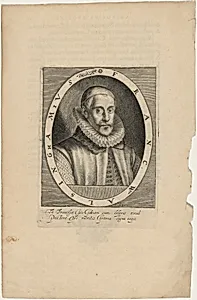
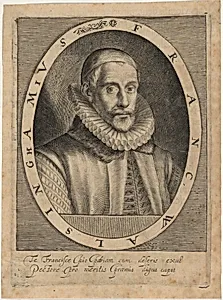
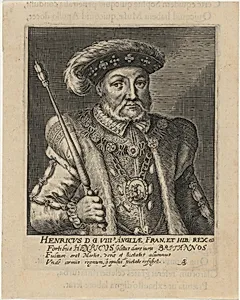
The duo's pinnacle achievement came in their collaboration on Henry Holland's *Heroologia Anglica* (1620), a two-volume Latin compendium of 65 exquisite portrait engravings depicting illustrious English figures from 1500 to 1620, including groundbreaking images of explorers like Francis Drake, Martin Frobisher, and John Hawkins, as well as monarchs such as Henry VIII and Elizabeth I. Working after designs by masters like Hans Holbein and Isaac Oliver, they captured reformers, nobles, and martyrs with remarkable fidelity, making this the most reliable series of English portraits published to date. Beyond this, they contributed to family projects like illustrations for Karel van Mander's Ovid translations and series such as *The Five Senses*, blending mythological, religious, and landscape motifs in the ornate style of Dutch Golden Age printmaking.
Willem relocated to London around 1621, engraving royal portraits for patrons like James I and Charles I, including *Triumphus Jacobi Regis* (1622), before his likely plague-related death. Magdalena remained in Utrecht, specializing in landscapes until her 1634 marriage to artist Frederick van Bevervoorden, after which she trained the prodigy Anna Maria van Schurman—one of the earliest documented instances of woman-to-woman artistic mentorship—and secured a patent for engraved sleeping caps. Their legacy endures in major collections like the National Portrait Gallery and British Museum, where their fine-line engravings exemplify the Van de Passe family's commercial dominance in European print culture, bridging Antwerp Mannerism with burgeoning portraiture markets across England, France, and the Netherlands.