Ctrl K
1821–1884
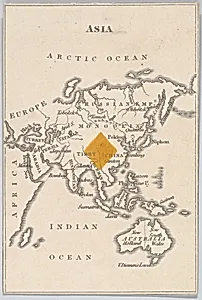
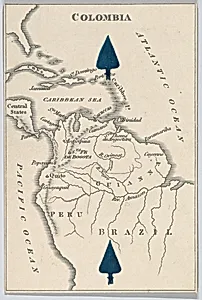
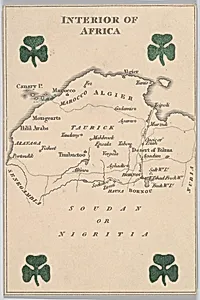
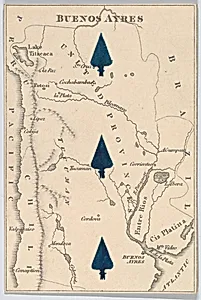
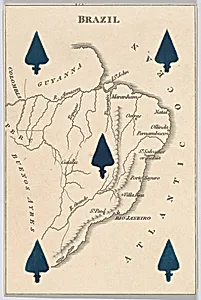
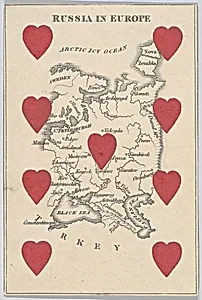
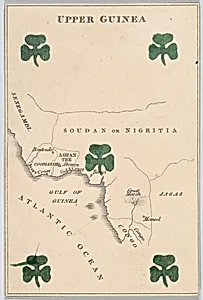
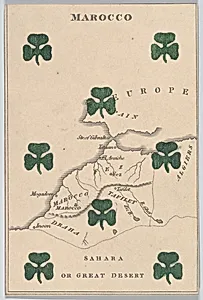
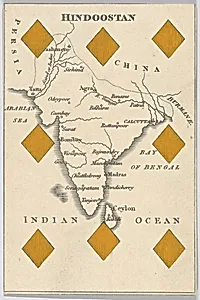
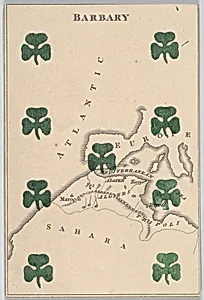
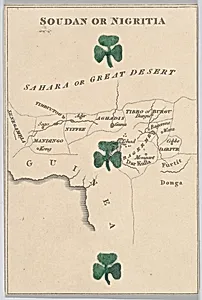
William and Henry Rock were British brothers and publishers active in London during the mid-19th century, renowned for their innovative educational playing card games that blended art, geography, and entertainment. Operating from 11 Walbrook after 1838, they produced hand-colored engravings that transformed standard card decks into pedagogical tools, with suits representing the four quarters of the world and pip cards illustrating nations scaled by importance. Their early life and artistic training remain not well documented, though their firm later expanded to include Mr. Payne, evolving into Rock Brothers & Payne by 1855.
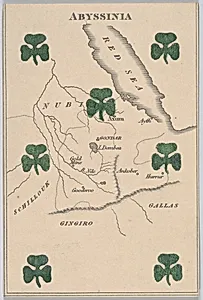
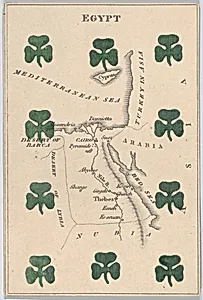
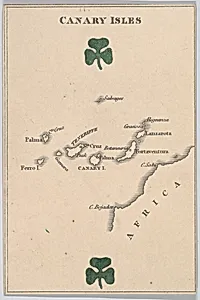
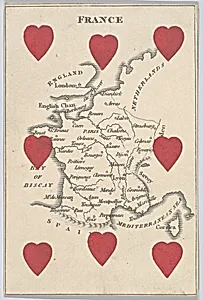
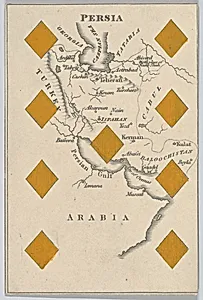
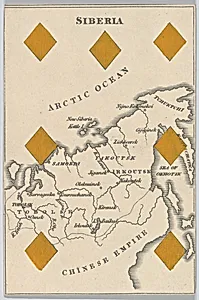
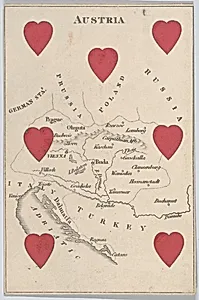
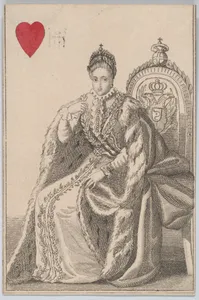
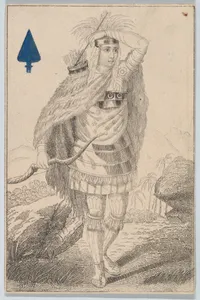
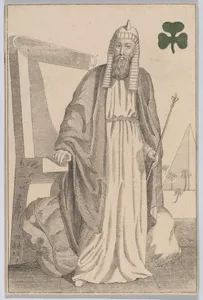
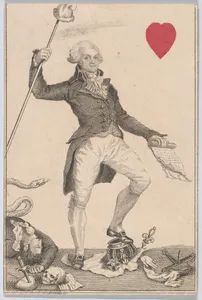
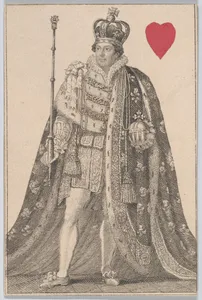
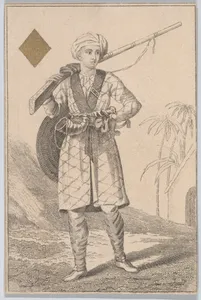
The Rocks specialized in lithographic and engraved prints featuring vivid maps, regal figures, and national symbols, as seen in their flagship series *Court Game of Geography* (1838–1855). This deck of 52 cards, complete with a 32-page booklet, depicted regions like the British Isles, Egypt, Prussia, and Tataria, drawing inspiration from earlier games by Charles Hodges such as *New Geographical Cards* (1827–28). They also published *The Court Game of Astronomy* around 1835, showcasing their commitment to scientific themes through accessible, visually striking formats. These works exemplify the Victorian era's fusion of printmaking with popular education, where intricate hand-coloring brought global knowledge to parlors.
Though not affiliated with a formal art school or movement, the Rocks' output reflects the burgeoning tradition of commercial lithography in Britain, prioritizing clarity and whimsy in geographical illustration. Their legacy endures in major collections, including the Metropolitan Museum of Art and Yale Center for British Art, with over 50 public domain pieces available today—capturing a playful yet informative snapshot of 19th-century worldview. By merging gaming with learning, William and Henry Rock (active ca. 1821–1884) left an indelible mark on ephemera art, influencing how generations visualized the world one card at a time.