Ctrl K
1830–1910
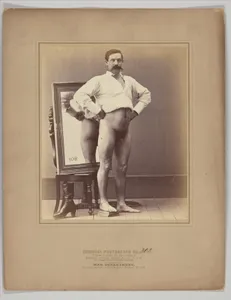
William Bell (1830–1910) was an English-born American photographer whose career bridged medical documentation and the exploration of the American West. Born in Liverpool, England, he immigrated to the United States and served in the Mexican-American War of 1846–48. After the conflict, he entered the emerging field of photography by partnering with his brother-in-law, the Philadelphia daguerreotypist John A. Keenan, and later opened his own studio in the city, which he operated for decades.
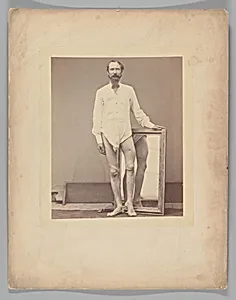
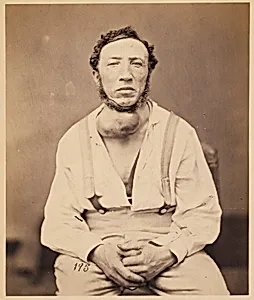
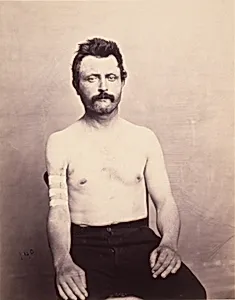
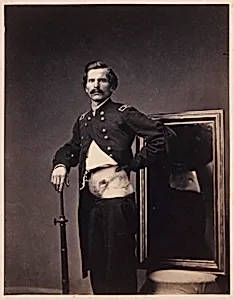
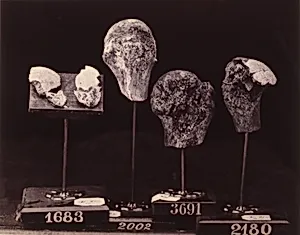
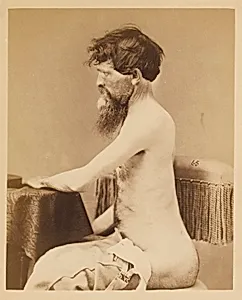
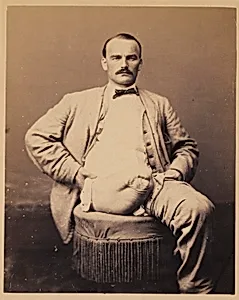
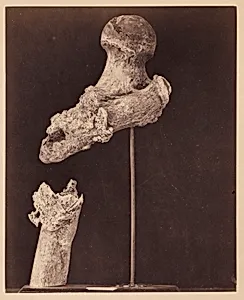
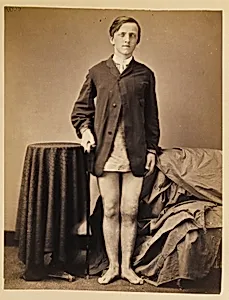
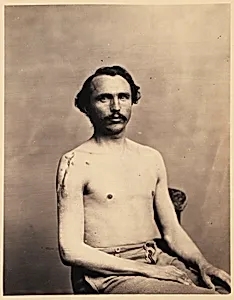
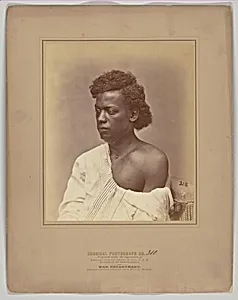
Bell’s early professional experience prepared him for significant roles during and after the Civil War. He served with the First Regiment of Pennsylvania Volunteers, and in the postwar years he was appointed head of the photographic department at the newly established Army Medical Museum in Washington, D.C. There he systematically photographed shattered bones, surgical specimens, wounds, and living patients before and after operations, creating an archive that advanced the study of military medicine and supplied illustrations for medical publications. These images established photography as a vital diagnostic and educational tool.
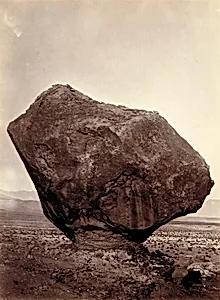
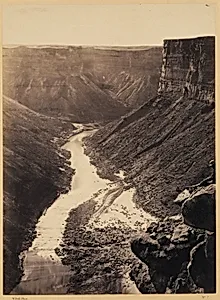
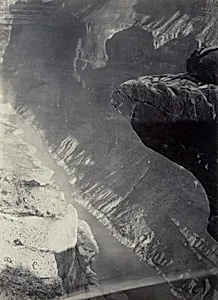
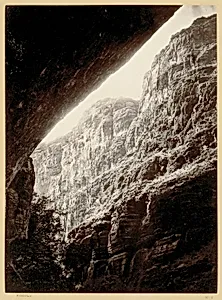
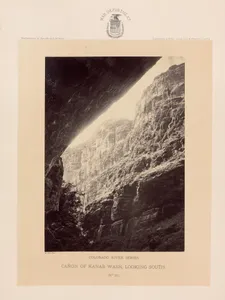
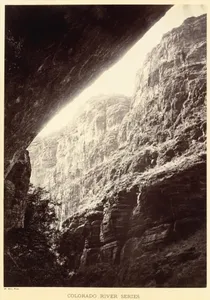
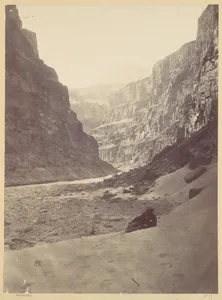
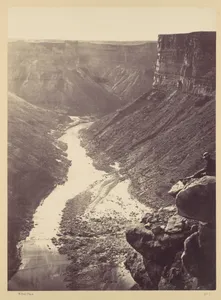
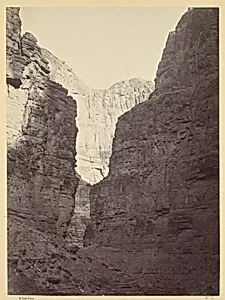
In 1872 Bell joined Lieutenant George Montague Wheeler’s Geographical and Geological Survey West of the 100th Meridian, replacing Timothy O’Sullivan for that season’s fieldwork. Using large-format cameras, he produced albumen prints documenting dramatic landscapes, geological formations, and river systems across the Southwest, including views of the Colorado River and the Grand Canyon region. His survey photographs complemented the medical work by demonstrating photography’s power to record and communicate scientific information on a grand scale.
Bell’s dual legacy lies in his pioneering application of photography to both medicine and exploration. His medical images remain foundational to the history of clinical photography, while his Wheeler Survey views contributed to the visual archive that shaped public understanding of the American frontier. With twenty-eight works held in the museum’s collection, Bell is recognized today as a key figure in nineteenth-century documentary photography.
![Excised Knee Joint. A Round Musket Ball in the Inner Condyle of the Right Femur [Gardiner Lewis, Company B, Nineteenth Indiana Volunteers]](https://images.artheonmuseum.org/met/ph/thumb/excised-knee-joint-a-round-musket-ball-in-the-inner-condyle-of-the-right-femur-g-265002.webp)