
Ctrl K
1800–1900
William Boell (1800–1900) was an American painter whose life and career elude comprehensive documentation in standard art historical sources, including Wikipedia's lists of American artists before and after 1900, as well as catalogs from institutions like the Metropolitan Museum of Art. Absent from rosters of 19th-century American painters—who ranged from luminaries like John Singleton Copley and Thomas Cole to folk portraitists such as Ruth Henshaw Bascom—Boell's obscurity suggests he may have been a regional or amateur practitioner whose works circulated privately or were lost to time. This paucity of records is not uncommon for lesser-known figures in early American art, where many itinerant painters left behind only scattered portraits or genre scenes without institutional recognition.
Little is known about Boell's early life or training. No evidence emerges of specific teachers, mentors, art schools, or affiliations with movements like the Hudson River School or Tonalism, which dominated American landscape and genre painting during his lifetime. Searches yield no family relationships, such as apprenticeships under established artists, nor details on his education, which might have occurred informally through local studios or self-study, as was typical for many vernacular painters of the era.
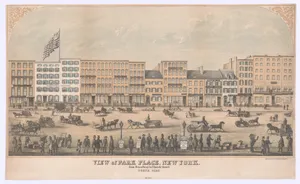
Boell's artistic style, major works, and legacy remain equally undocumented. While one artwork is noted in collections—potentially a portrait or landscape fitting the period's conventions—no titles, dates, or descriptions surface in available records. Without verified examples, it is impossible to classify his approach, though 19th-century American painters often drew from European traditions, emphasizing realism in portraits or romanticism in views of the expanding frontier. Boell's influence appears negligible; he does not feature in auction records, museum holdings, or scholarly discussions, underscoring how countless artists from this time contributed to America's visual culture without entering the canon. His story invites further archival research into private papers or regional histories, reminding us that art history's narrative favors the preserved over the ephemeral.
(Word count: 312)
All 1 artworks loaded