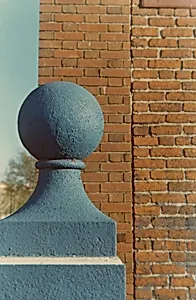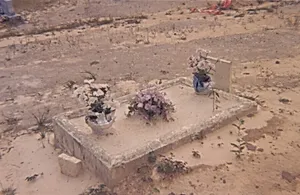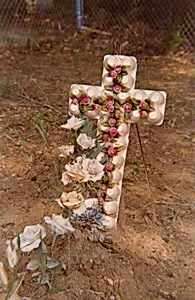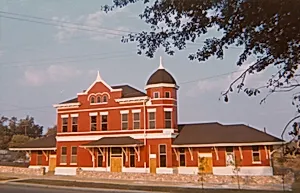
William Christenberry (1936–2016) was an American artist whose career-long obsession with a small region of rural Alabama transformed the documentation of a place into one of the most sustained and poetic bodies of work in contemporary American art. Born in Hale County, Alabama — the same landscape made famous by James Agee and Walker Evans in their 1941 book Let Us Now Praise Famous Men — Christenberry returned to photograph, paint, and sculpt that territory year after year for more than five decades, tracking the slow passage of time across buildings, fields, and roadside signs.
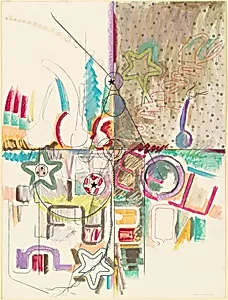
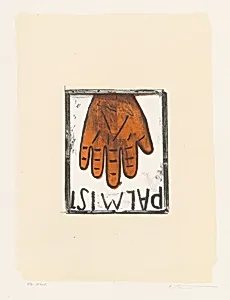
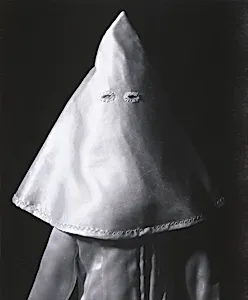
Christenberry studied painting at the University of Alabama, where he received both his undergraduate and graduate degrees, and he went on to teach for many years at the Corcoran School of the Arts and Design in Washington, D.C. His initial use of a small Brownie camera was casual and personal, but after an encounter with Walker Evans, who recognized the power of his photographs, Christenberry committed more seriously to photography as an artistic medium. He continued to work across multiple disciplines simultaneously, producing paintings, sculptures, and assemblages alongside his photographs.
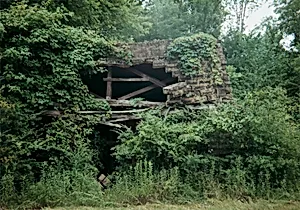
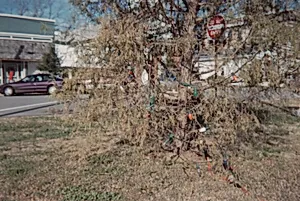
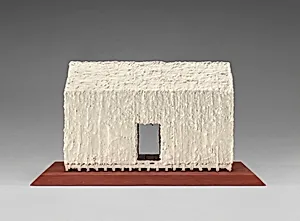
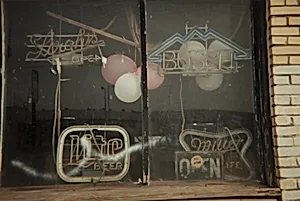
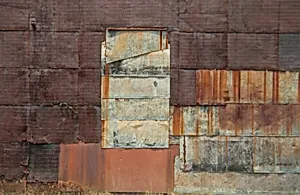
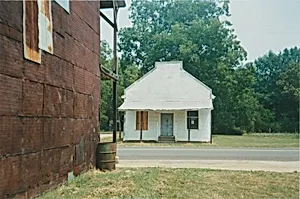
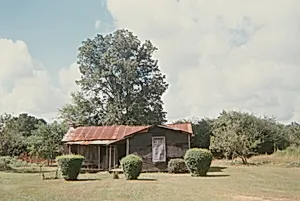
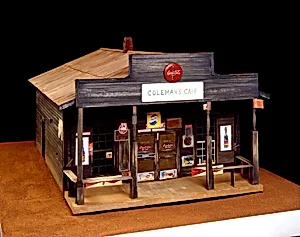
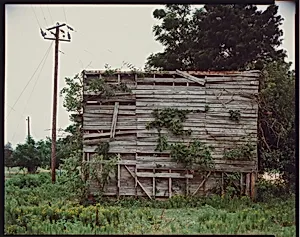
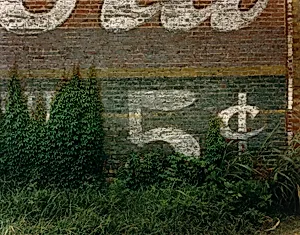
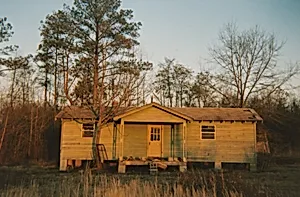
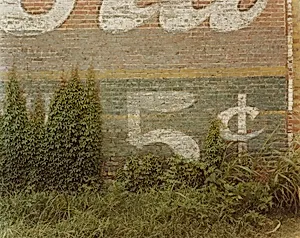
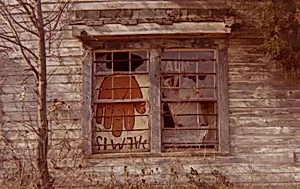
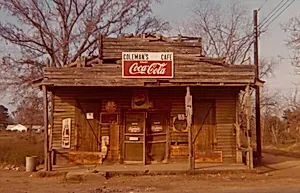
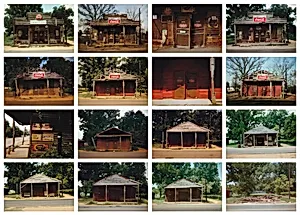
His photographs of weathered storefronts, abandoned churches, and crumbling barns possess a quiet melancholy and formal precision that has led critics to describe his work as a kind of elegiac meditation on the American South. His constructions — small-scale models of buildings from the region, made with extraordinary care — extend this meditation into three dimensions. Together, his works constitute a deeply personal yet universally resonant record of memory, loss, and the physical world.
Christenberry is regarded as a major figure in the history of American photography and Southern art. His work is held in numerous museum collections, and his influence can be felt in subsequent generations of artists drawn to place-based practice and documentary traditions.