Ctrl K
1855–1920
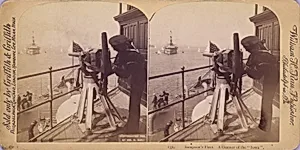
William Herman Rau (1855–1920) was an American photographer renowned for his luminous large-format landscape photographs of Pennsylvania and the American railroad. Born in Philadelphia, he learned photography as a teenager and by twenty had already participated in a U.S. government expedition to observe the transit of Venus in Tasmania. He later accompanied expeditions to photograph in Siberia and the Pacific.
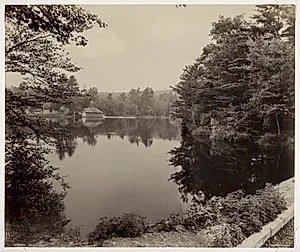
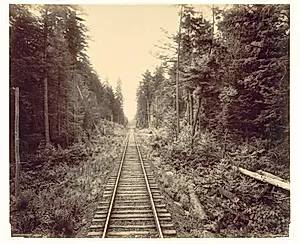
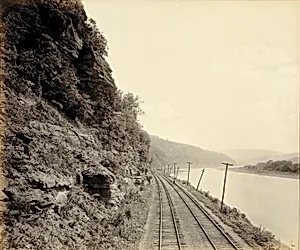
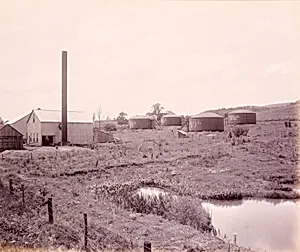
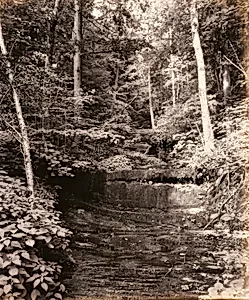
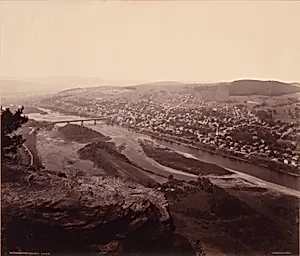
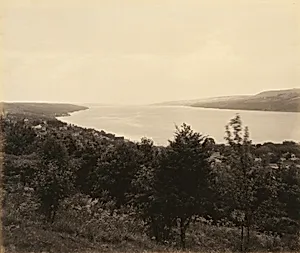
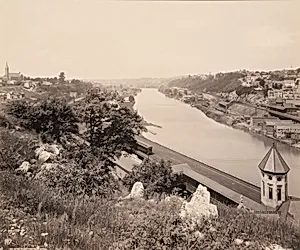
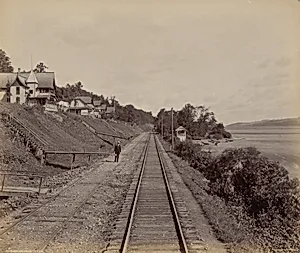
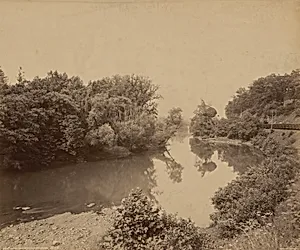
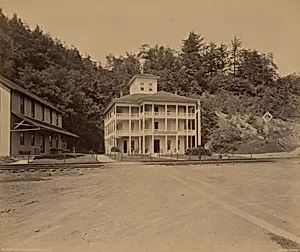
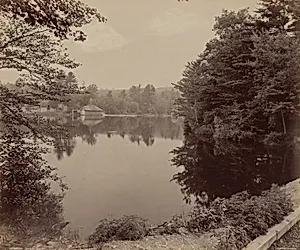
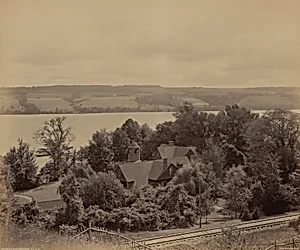
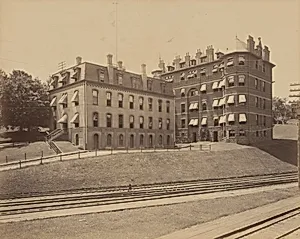
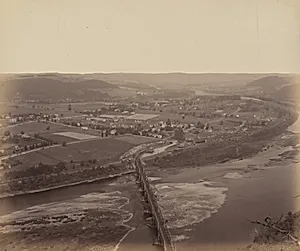
Rau became the official photographer for several major railroad companies, including the Pennsylvania Railroad and the Lehigh Valley Railroad, producing large-format views designed to attract tourists and settlers. Unlike the straightforward documentary images typical of railroad photography, Rau's photographs are distinguished by their artistic ambition — carefully composed landscapes with luminous skies, atmospheric perspective, and a sensitivity to natural light that recalls the Hudson River School painters.
His series of mammoth-plate photographs for the Pennsylvania Railroad, produced in the 1890s, are considered masterpieces of American landscape photography. Rau traveled the railroad's routes with a large camera, capturing the river valleys, mountain passes, and pastoral countryside of Pennsylvania, New Jersey, and New York with crystalline clarity and painterly sensitivity. These images were displayed in railroad stations and travel offices as well as exhibited at the 1893 World's Columbian Exposition.
Rau also maintained a successful portrait studio in Philadelphia and published extensively on photographic technique. His work bridges the gap between nineteenth-century survey photography and the pictorial landscape tradition. His photographs are held by the Library of Congress, the Library Company of Philadelphia, the George Eastman Museum, and the Getty Research Institute.