Ctrl K
1876–1995
William High (1876–date unknown) was an American artist whose surviving body of work consists of nine meticulously detailed watercolor illustrations created for the Index of American Design. His early life, training, and personal circumstances remain sparsely recorded, with no known details of teachers, art schools, or family background emerging from historical sources. Born in 1876, he appears in records solely through his professional output in the late 1930s.
During the Great Depression, High participated in the Works Progress Administration’s Federal Art Project, contributing to the Index of American Design (1935–1942). This ambitious national initiative employed hundreds of artists to produce precise pictorial records of American folk art, decorative objects, and crafts spanning the colonial era through the nineteenth century. High’s plates, executed between approximately 1936 and 1940, document everyday and ornamental items with documentary accuracy, using watercolor, gouache, graphite, pen and ink, and heightening on paper or paperboard.
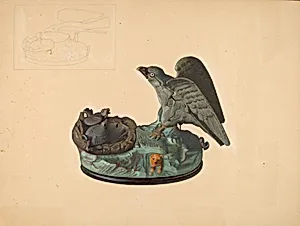
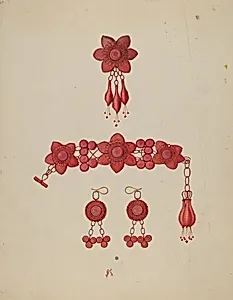
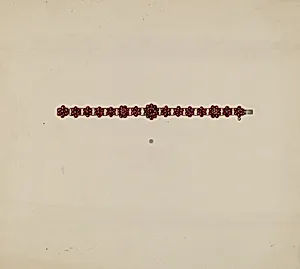
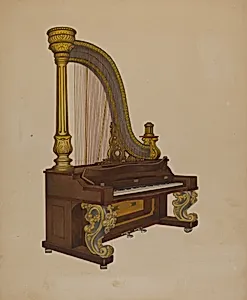
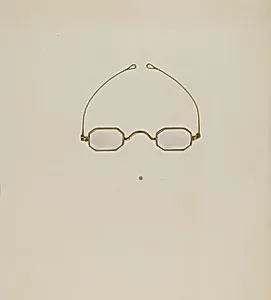
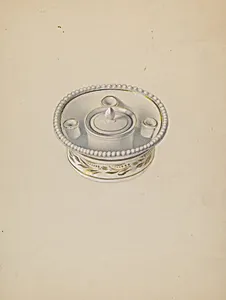
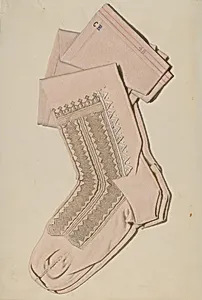
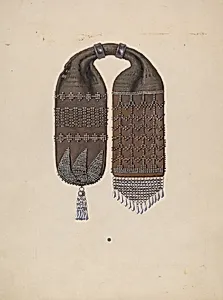
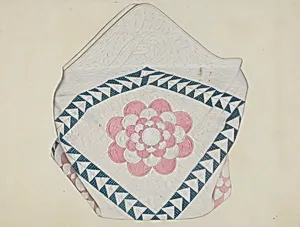
His known works, all held by the National Gallery of Art, include *Bag* (c. 1936), *Stockings* (c. 1936), *Quilt* (c. 1937), *Spectacles* (c. 1937), *Horsehair Jewelry* (c. 1937), *Bracelet* (c. 1937), *Inkwell* (c. 1937), *Upright Harp/Piano* (c. 1937), and *Toy Bank: Eagle* (c. 1940). These illustrations capture textures, colors, and construction details of textiles, jewelry, furniture, and toys, reflecting the Index’s goal of preserving a distinctly American design heritage for future study and inspiration. High’s style is characterized by technical precision and fidelity to the original objects rather than personal expression.
Though High’s individual career left little additional trace, his contributions form part of the Index’s archive of more than 18,000 images, transferred to the National Gallery of Art in 1943. This collection remains an essential resource for historians, designers, and scholars of American material culture. High’s plates endure as quiet yet valuable records of the WPA’s dual mission to support artists and document the nation’s visual past during a time of economic hardship.