Ctrl K
1855
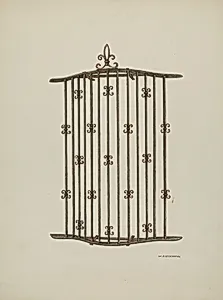
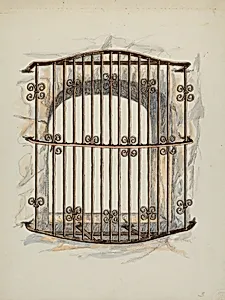
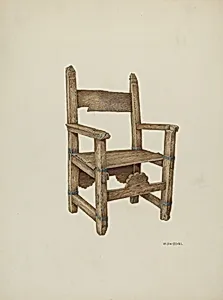
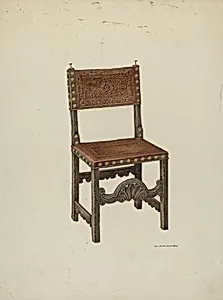
William Kieckhofel was an American artist active in the 1930s and early 1940s, best known for his contributions to the Index of American Design, the ambitious New Deal-era documentation project administered under the Federal Art Project of the Works Progress Administration. Working in watercolor, colored pencil, and graphite on paper, Kieckhofel produced meticulous renderings of American decorative arts and architectural objects, with a particular focus on the material culture of California and the Southwest.
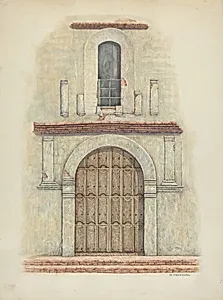
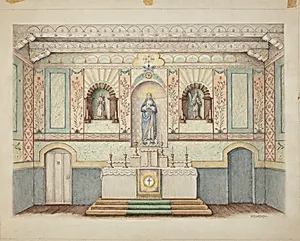
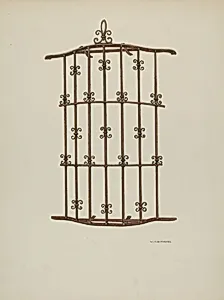
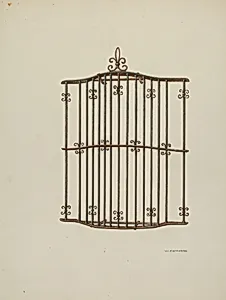
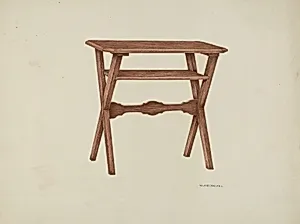
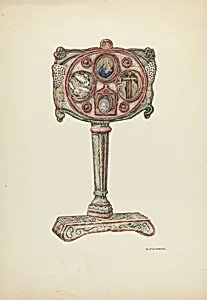
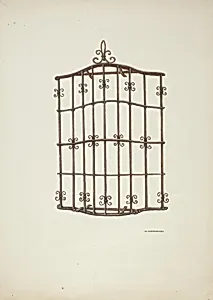
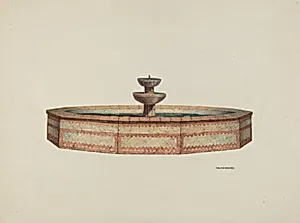
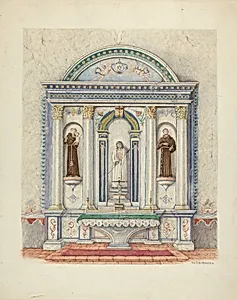
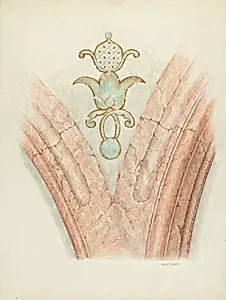
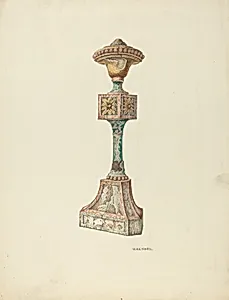
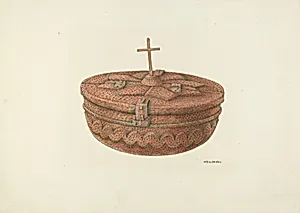
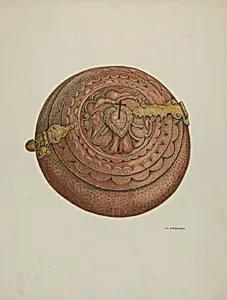
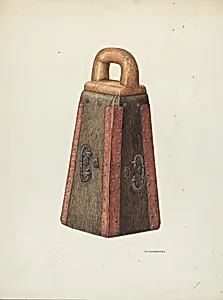
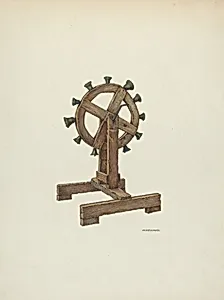
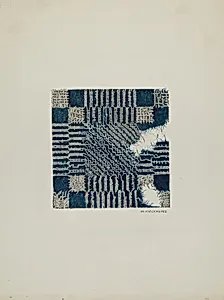
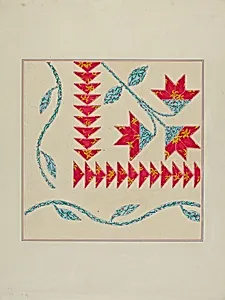
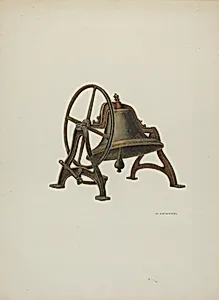
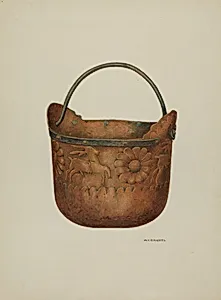
His surviving works in the National Gallery of Art's collection — which has held the Index since 1943 — reveal an artist of exceptional precision and patience. Among his documented pieces are Balance Scales, Hammered-Copper Bucket, Mission Fountain, Arched Doorway Mission San Diego, Mule Car Bell, Crockery Mold, and Baptismal Font and Stand. This body of work reflects a sustained engagement with Spanish colonial and mission-era artifacts, suggesting Kieckhofel worked with the California division of the Index project.
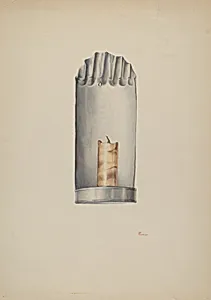
The Index of American Design was conceived to create a visual encyclopedia of American craftsmanship from the colonial period through 1900, employing roughly 1,000 artists across 34 states who together produced more than 18,000 watercolor renderings. Kieckhofel's contributions stand out for their careful attention to surface texture, material weight, and architectural detail — qualities that made such documentation both historically invaluable and artistically compelling.
Though biographical records about Kieckhofel's personal life and training remain sparse, his work endures as part of one of the most significant government arts initiatives in American history. His precise renderings of mission architecture and everyday objects preserve a visual record of material culture that might otherwise have been lost, placing him among the dedicated artists who gave the Index its lasting scholarly and aesthetic value.