Ctrl K
1850–1950
**William S. Kimball & Company**, a pioneering American tobacco manufacturer, was established in 1846 in Rochester, New York, by William S. Kimball and James C. Hart. The firm quickly grew into one of the city's largest employers, particularly of women, producing popular brands like Peerless chewing tobacco, Rigatta and Fireside smoking tobacco, and Vanity Fair cigarettes. Under Kimball's leadership—a Civil War veteran who took full control by 1867 after partnerships with Henry Suggett and his father-in-law Rufus Keeler—the company innovated with patented machines for tobacco pressing and cigarette production, including funding early automated cigarette makers. Despite a protracted legal battle over federal taxes from 1867 to 1872, which Kimball won, the business expanded dramatically. In 1880, they built a grand new factory along the Erie Canal, crowned by a 21-foot bronze Mercury statue symbolizing commerce, which became a Rochester landmark.
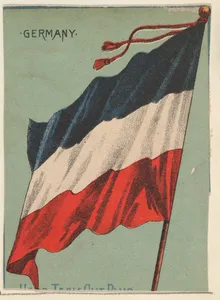
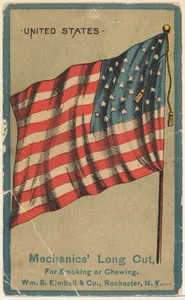
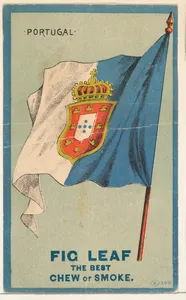
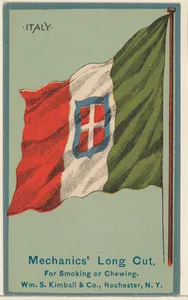
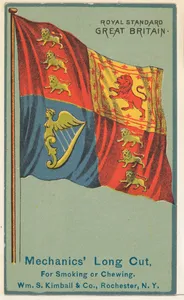
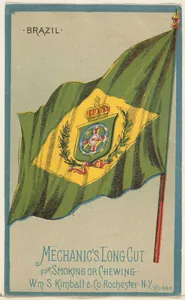
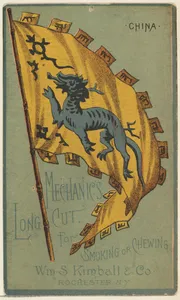
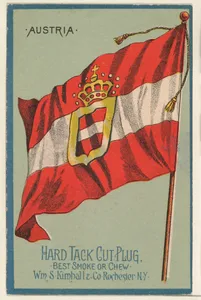
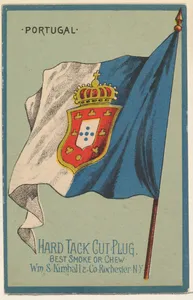
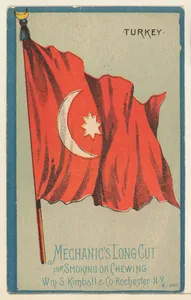
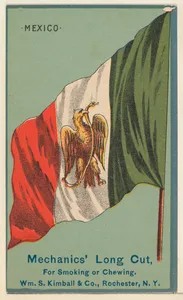
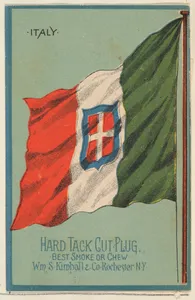
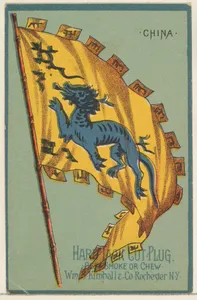
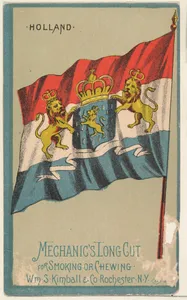
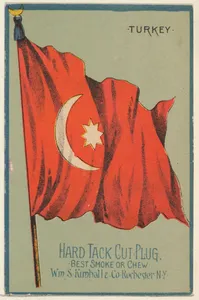
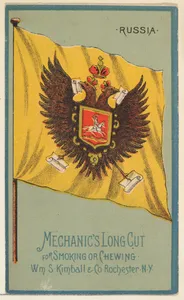
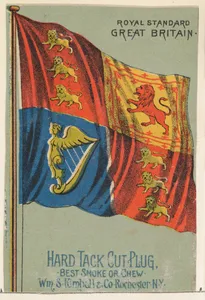
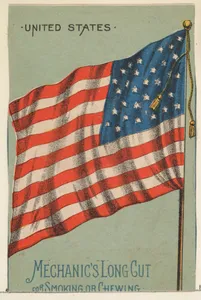
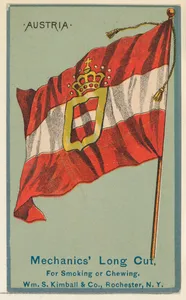
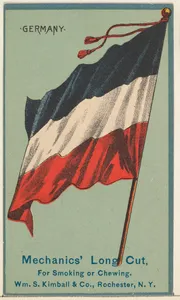
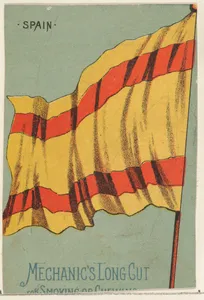
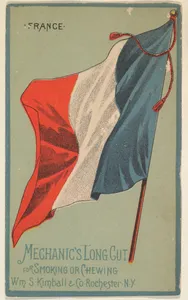
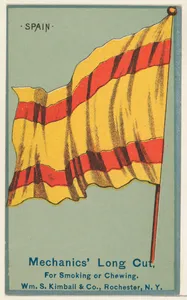
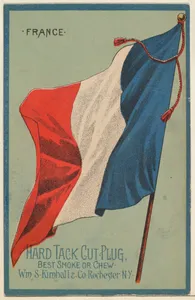
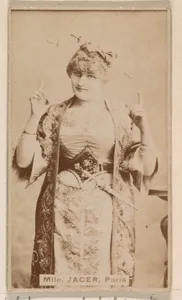
The company's true artistic legacy lies in its lavish chromolithographed trade cards and cigarette inserts, issued primarily in the 1880s to promote products and captivate consumers. These vibrant, collectible cards featured meticulously detailed illustrations in the Victorian style, blending classical mythology, natural history, and contemporary glamour. Major series included *Goddesses of the Greeks and Romans* (N188, 1888) with deities like Leukothea and Cybele; *Butterflies* (N183, 1888) showcasing species such as Morpho Cypris; *Fancy Bathers* (N187) and *Beautiful Bathers* (N192); *Dancing Women* (N186) and *Dancing Girls of the World* (N185); *Pretty Athletes* (N196); *Actresses* (N203) like Maud Waldemere; and *Ancient Coins* (N180)._issued_by_Wm._S._Kimball_&_Co._MET_DPB871036.jpg) Often depicting alluring women, exotic dancers, athletes, and natural wonders, these cards were printed in numbered sets and inserted into packages alongside showgirl playing cards, fostering a collecting craze.
Kimball's emphasis on quality packaging and bold marketing—such as frog-themed ads, pipe coupons, and massive contests offering prizes up to $22,500—elevated these ephemera to art objects. After Kimball's death in 1895, the firm operated until 1905, when it closed amid industry consolidation. Today, their cards, with hundreds preserved in institutions like the Metropolitan Museum of Art, represent a pinnacle of 19th-century commercial lithography, bridging advertising and fine art while documenting Gilded Age tastes in beauty, sport, and antiquity. Their enduring appeal in collector markets underscores the company's role in transforming everyday tobacco promotions into coveted visual treasures.