Ctrl K
1855
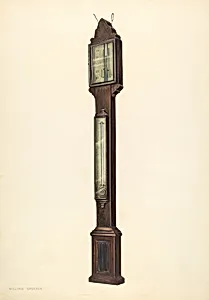
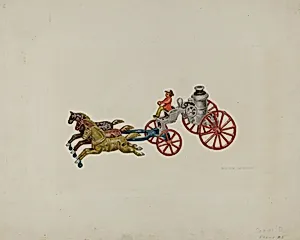
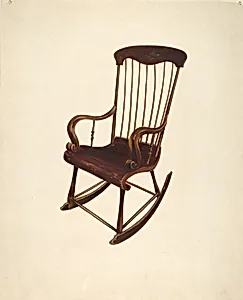
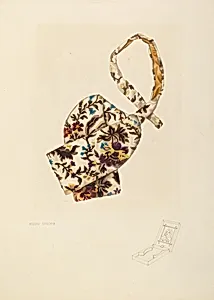
William Spiecker was an American artist active around 1935 who contributed to the Federal Art Project of the Works Progress Administration in Illinois. He is best known for his precise watercolor renderings created for the Index of American Design, a nationwide initiative that documented the nation’s decorative arts, folk crafts, and material culture through highly detailed illustrations. Sixteen of his works are held by the National Gallery of Art, all executed in watercolor, graphite, gouache, and colored pencil on paper or paperboard.
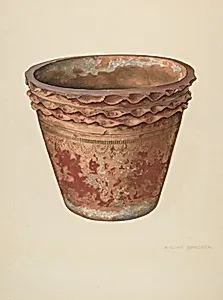
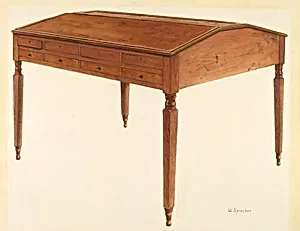
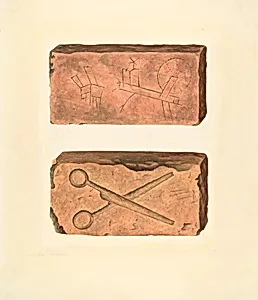
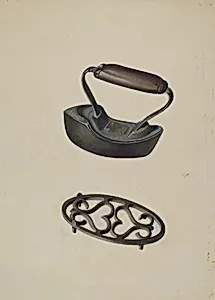
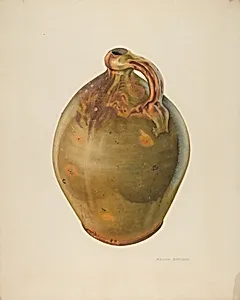
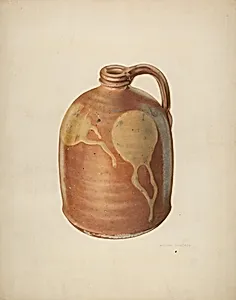
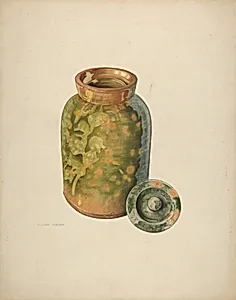
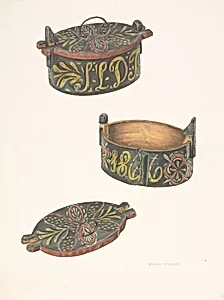
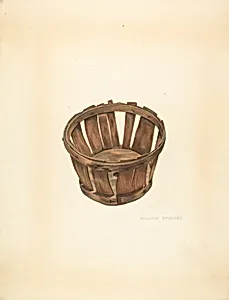
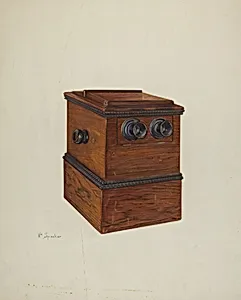
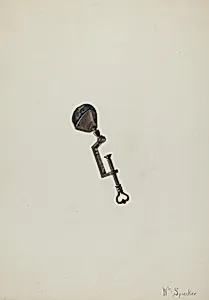
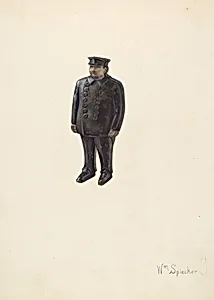
Spiecker’s artistic style is characterized by meticulous observation and technical restraint, capturing the textures, forms, and historical character of everyday objects with documentary accuracy rather than interpretive flourish. His subjects frequently drew from Illinois heritage, including Galena pottery such as the Galena Pottery Jug (c. 1938) and Galena Big Jug (c. 1938), as well as artifacts from the historic Swedish communal settlement at Bishop Hill, among them Bishop Hill: Accounting Desk (c. 1938) and Bishop Hill: Building Bricks (1938). Other notable pieces include Flower Pot (c. 1938), Butter Box (c. 1938), Bank: Policeman (c. 1937), and Stereooptician (c. 1937), which together illustrate a range of 19th-century American household items, toys, and tools.
Little is recorded about Spiecker’s early life or formal training, and no specific teachers or art-school affiliations have been identified. He is documented among Illinois artists employed by New Deal art programs, working within the Index of American Design’s emphasis on faithful visual records that preserved vanishing aspects of American design history. These illustrations served both educational and archival purposes, highlighting regional craftsmanship from pottery centers like Galena and communal sites like Bishop Hill.
Spiecker’s legacy endures through the Index of American Design collection at the National Gallery of Art, where his watercolors continue to provide scholars and the public with an invaluable visual inventory of American folk art and decorative objects. His contributions helped establish a national archive that remains a cornerstone for the study of material culture, ensuring that the quiet details of everyday American life from earlier centuries are preserved with clarity and respect.