Ctrl K
1485–1553
**Wolf Huber (c. 1485 – 3 June 1553)** was an Austrian-German painter, printmaker, and architect who spent most of his career in Passau, Germany, as a leading figure of the Danube school. Born in Feldkirch, Vorarlberg, he had relocated to Passau by 1515 and quickly established himself as a mature artist.
He was born into a family of artists and was widely believed to be related to the painter Hans Huber, with whom he likely trained in a family workshop before working as a journeyman. Nothing further is documented about his early training, though his work reflects a strong grounding in Italian Renaissance techniques, suggesting he may have visited northern Italy.
Huber became court painter to Duke Ernst of Bavaria in 1517 and later served Prince-Bishop Wolfgang I von Salm. In 1529 he was commissioned to rebuild Neuberg Palace, incorporating Italian Renaissance wings and decorative paintings; fragments survive, and he may also have designed tomb reliefs for the Salm family. He received a pension and manor house for this work and was exempted from guild rules.
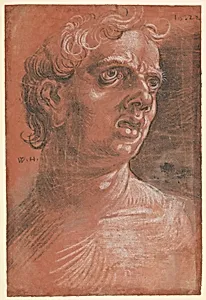
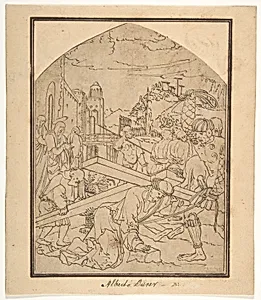
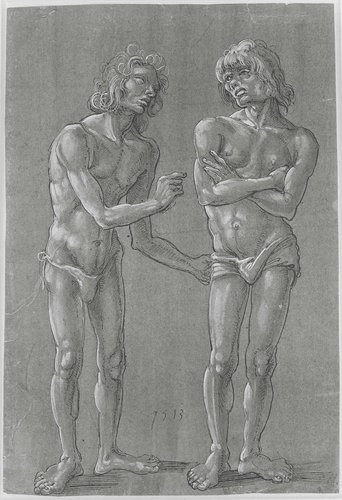
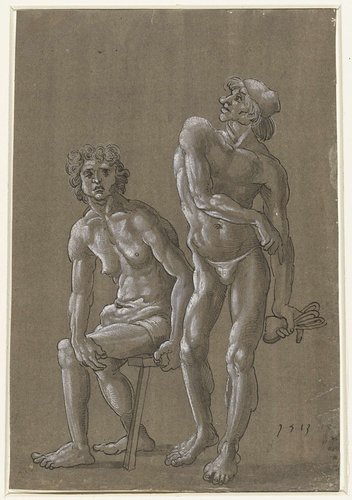
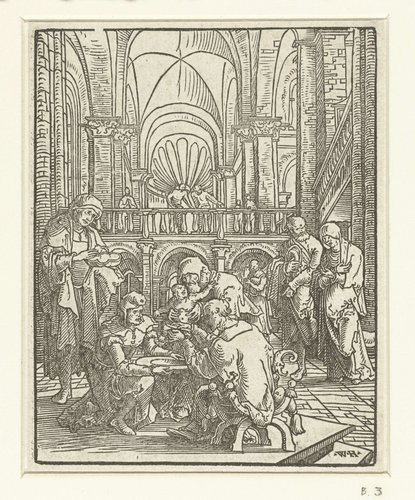
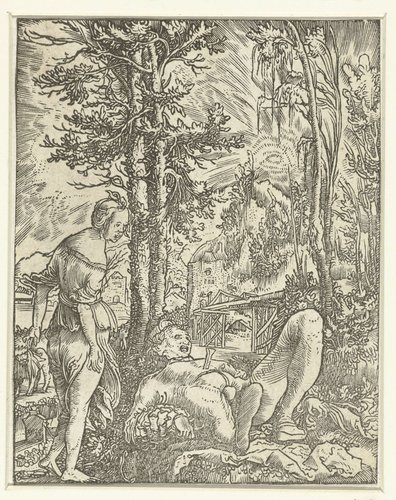
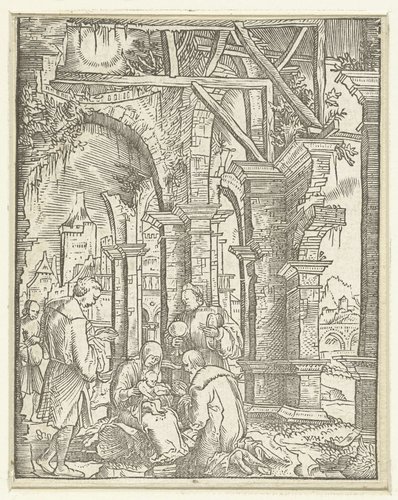
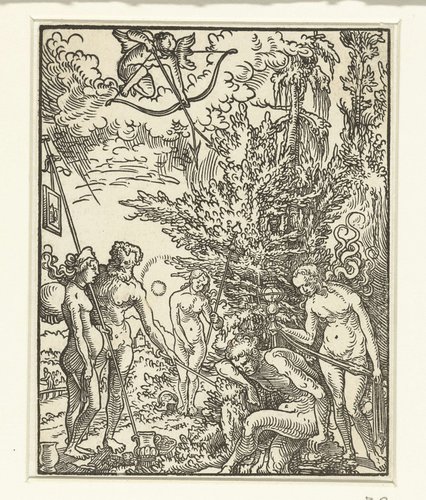
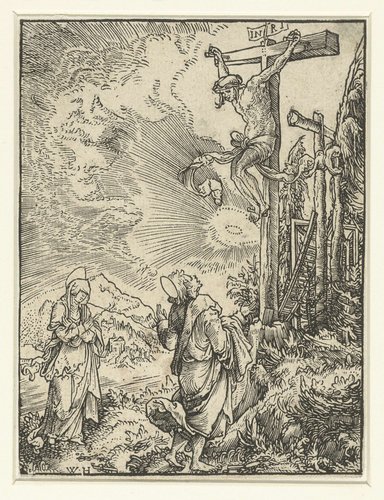
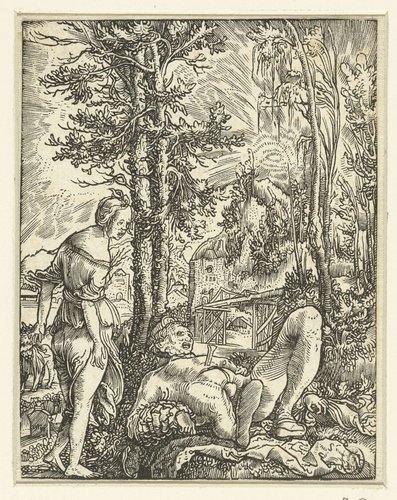
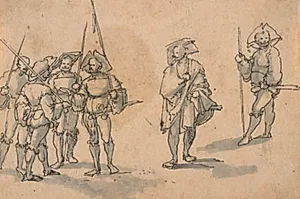
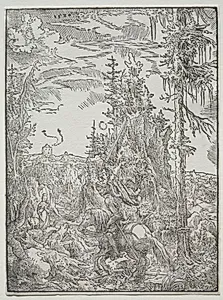
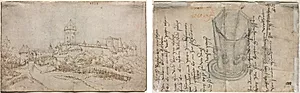
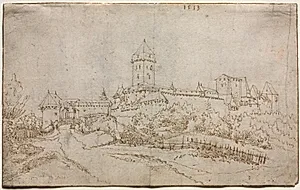
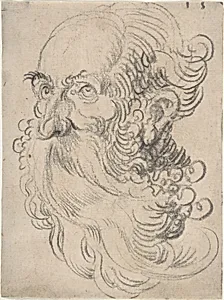
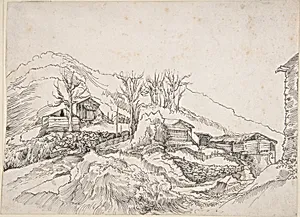
Stylistically, Huber worked firmly in the Danube school tradition, showing the influence of Albrecht Dürer alongside occasional Mannerist tendencies. Few paintings survive, but notable examples include the pendants of mintmaster Anton Hundertpfund and his wife (1526) and the striking portrait of scholar Jakob Ziegler (1550). He produced evocative landscape drawings that influenced contemporaries such as Augustin Hirschvogel, and his known graphic output consists of thirteen woodcuts. He is regarded as the most important Danube school artist after Albrecht Altdorfer.
Huber died at his manor house in Passau in 1553. His legacy rests on his sensitive drawings and his role in bridging late Gothic traditions with Renaissance innovations in the Danube region.