Ctrl K
1751–1783
**Worcester Porcelain Factory (1751–1783)**
The Worcester Porcelain Factory, often called the Dr. Wall Period, was established in 1751 in Worcester, England, by physician Dr. John Wall and apothecary William Davis, who rallied 13 local businessmen to invest £4,500. Site at Warmstry House on the River Severn, the "Worcester Tonquin Manufactory" produced soft-paste porcelain using a steatite (soaprock) formula sourced from Cornwall via partner Richard Holdship's purchase from Bristol's Lund manufactory. A London showroom opened in 1754 at Aldersgate Street, expanding reach. Dr. Wall retired in 1774, leaving William Davis as manager until Thomas Flight acquired the works in 1783 for £3,000 on behalf of his sons.
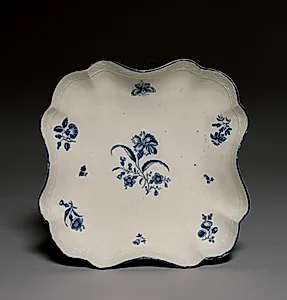
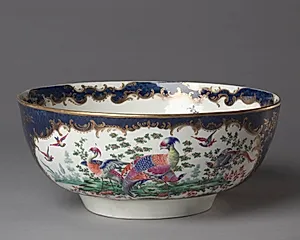
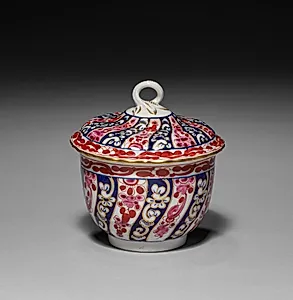
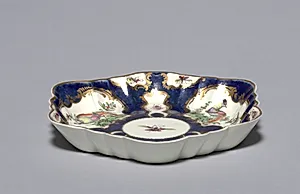
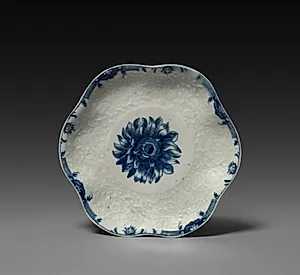
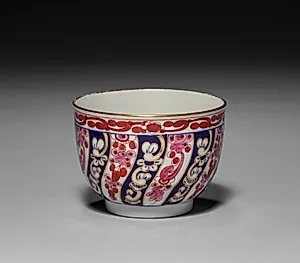
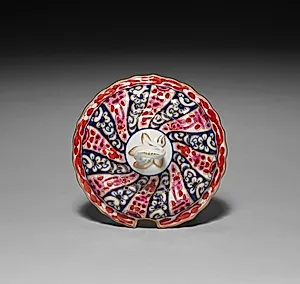
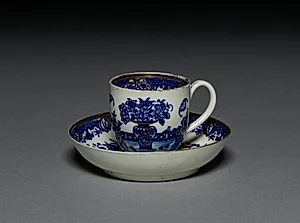
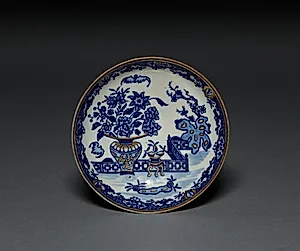
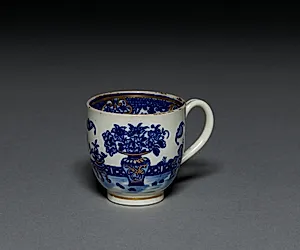
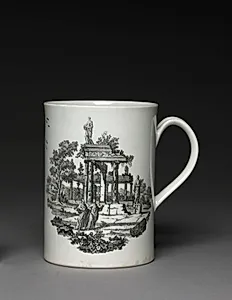
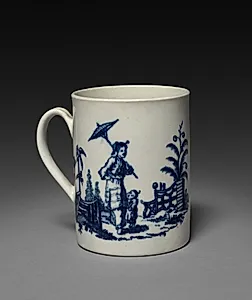
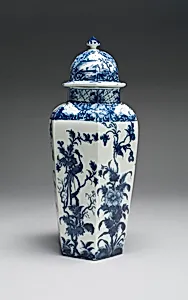
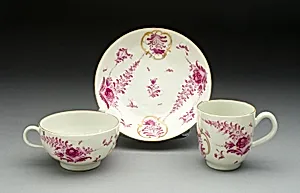
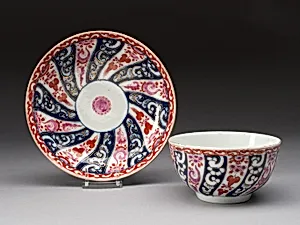
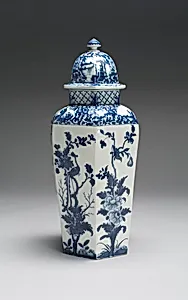
Renowned for technical innovation, the factory pioneered transfer printing on porcelain in 1756 by engraver Robert Hancock, first in black overglaze and soon underglaze blue. Styles drew from Oriental influences: underglaze blue on molded vessels, Japanese motifs like plum blossoms, chrysanthemums, and fish in panels alternating with geometric designs, plus exotic birds on vibrant grounds—especially deep blue heightened by gilding. A rich overglaze palette featured near-vermilion, claret, sea greens, turquoise, and fish-scale grounds, with delicate gilded scrolls. Decorator James Giles collaborated until 1771, enhancing polychrome enamels.)
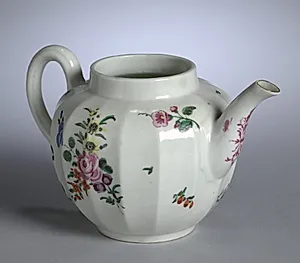
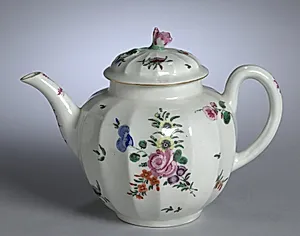
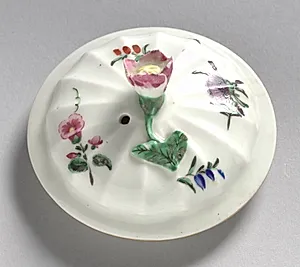
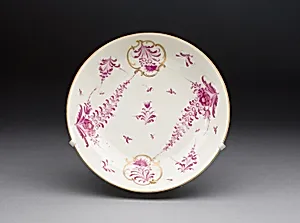
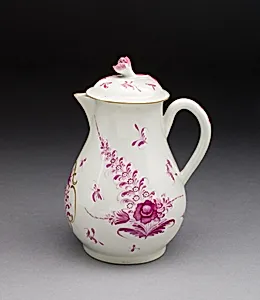
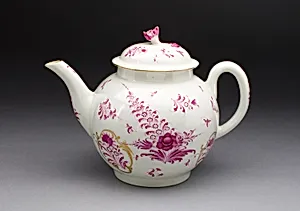
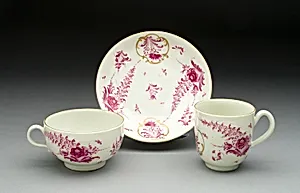
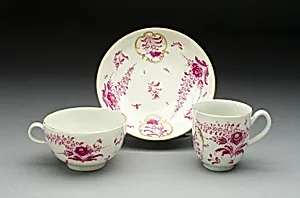
Major wares included cups, saucers, teapots, sweetmeat dishes, vases, and the first royal dinner service in 1770 for George III's brother, the Duke of Gloucester. Iconic examples feature Hancock's 1768 graphic-designed tea canister and blue transfer-printed services.
This era marked Worcester's pinnacle of excellence, laying foundations for Royal Worcester's enduring legacy as England's oldest porcelain brand, with transfer printing revolutionizing ceramics production. (312 words)