Ctrl K
1697–1742
Occupations
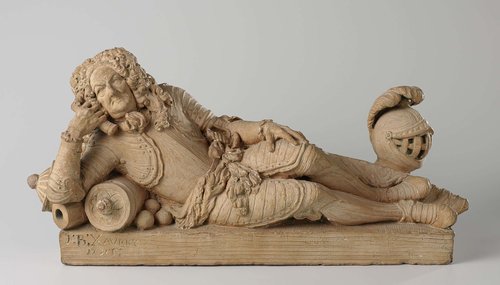
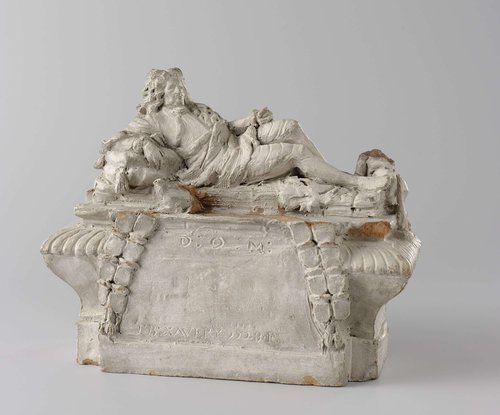
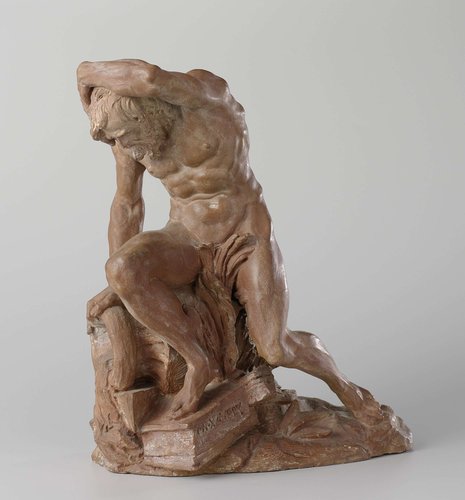
**Jan Baptist Xavery** (1697–1742) was a Flemish sculptor born in Antwerp who became the leading figure in sculpture in the Dutch Republic during the first half of the eighteenth century. He worked across a wide range of media and scales, from intimate ivory and terracotta statuettes for private collectors to monumental garden statues, portrait busts, church furnishings, and elaborate tomb monuments. Principally active in The Hague after settling there around 1721, Xavery blended Flemish Baroque traditions with emerging Rococo decorative elements while maintaining a classical restraint suited to aristocratic and civic commissions.
He was the son of the sculptor Albert Xavery and received his initial training from his father before entering the large Antwerp workshop of Michiel van der Voort the Elder, known for producing Baroque church furniture. After a period in Vienna and travels in Italy, including time in Rome, Xavery moved to The Hague, where he joined the Confrerie Pictura guild in 1721 and became a full member in 1725. He married Maria Christina Robart that same year; the couple had six children, including sons Frans and Jacob who became painters. His connections to the French architect Daniel Marot helped secure early opportunities in the city, which lacked strong local sculptural competition.
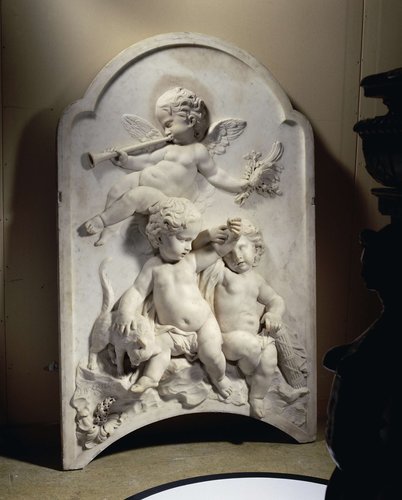
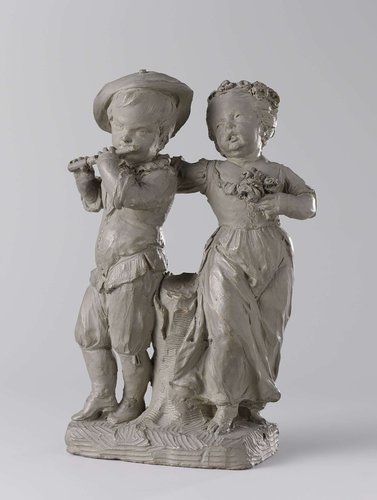
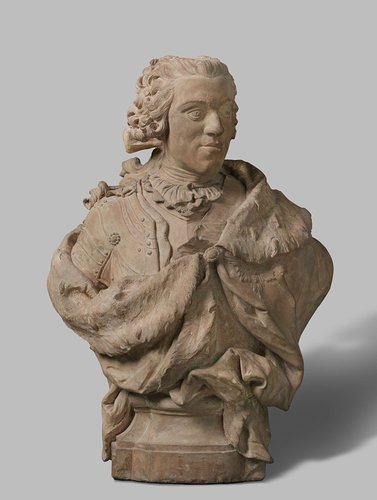
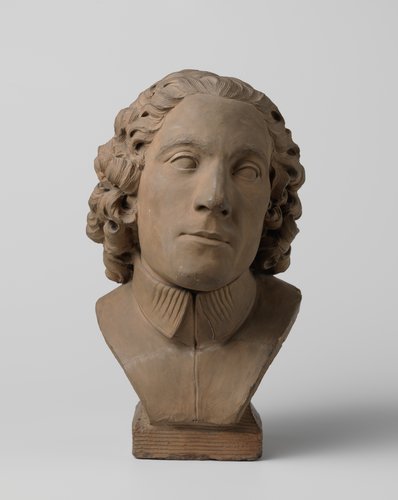
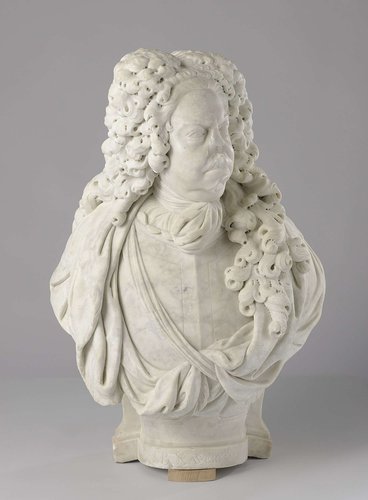
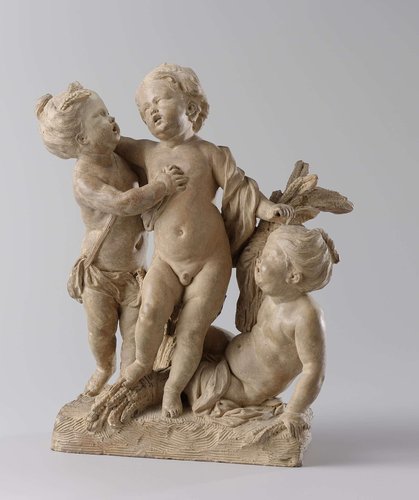
Xavery enjoyed prestigious patronage, notably from William IV of Orange-Nassau, for whom he created marble busts of the prince (1733) and Princess Anne of Hanover (1736), along with decorative work at Huis ten Bosch and Breda Castle. He also received civic commissions such as allegorical figures for the Old City Hall of The Hague and numerous garden ornaments and chimney pieces. His style evolved from lively Baroque groupings, as in the 1726 *Group of three children, allegory of Summer* (Rijksmuseum), toward more elaborate Rococo details in works like the marble overdoors at the Hague City Hall, while funerary monuments and busts often retained classical dignity. Notable surviving pieces include the bust of Portuguese ambassador Don Luis da Cunha (1737, Rijksmuseum), reliefs in Haarlem’s Grote Kerk, and several tomb monuments.
Xavery died in Antwerp on 19 July 1742 while visiting family, after injuring himself installing a statue of Mars at Breda Castle. His widow continued the workshop, and his influence persisted through pupils such as Willem Hendrik van der Wall and Olof Arenius, as well as collaborators like Johannes Franciscus Maes. Today he is remembered for elevating sculpture in the Dutch Republic through his versatility and technical skill, with works held in major collections including the Rijksmuseum and Mauritshuis.
Wikidata (CC0); Getty ULAN (ODC-By)