Ctrl K
1703–1758
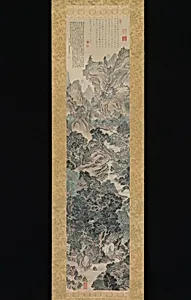
**Yanagisawa Kien** (originally Rikyō or Satotomo; 1703–1758) was a pioneering Japanese painter of the nanga (Southern School) or bunjin-ga (literati painting) tradition during the mid-Edo period. Born in Edo on 30 August 1703 into the prominent Yanagisawa clan—his father held a key position with the family seat at Kōriyama Castle—he displayed an early passion for art, beginning to paint at age nine.
His training reflected the eclectic artistic currents of his time. He started with artists of the Kanō school before becoming a disciple of Watanabe Shūseki, who worked in the Nagasaki-e woodcut style. He later studied nanga painting under Gion Nankai. Exposure to Ōbaku Zen Buddhism further shaped his approach, leading him to explore Chinese Yuan and Ming dynasty painting and the influential *Manual of the Mustard Seed Garden*.
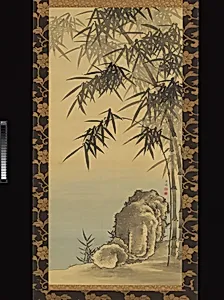
Kien was a true polymath, excelling from age fifteen as an essayist, calligrapher, kanshi poet, and practitioner of the tea ceremony; he was also trained in acupuncture and martial arts, and drew philosophical influence from the Confucian scholar Ogyū Sorai. In 1727 he relocated to the family estates in Kōriyama to manage affairs and remained there until his death on 6 October 1758. He specialized in bamboo paintings, producing works such as *Bamboo and Rocks* that showcase confident, spontaneous brushwork.
As an early leader of the Nanga movement, Kien taught painting to notable literati artists including Ike Taiga. Although relatively few authentic works survive amid numerous copies and forgeries, his synthesis of Chinese literati ideals with Japanese sensibilities helped establish bunjin-ga as a vital school. His legacy endures through his role in mentoring the next generation and his distinctive bamboo subjects, which continue to exemplify the refined, scholarly spirit of Edo-period literati art.