Ctrl K
1855
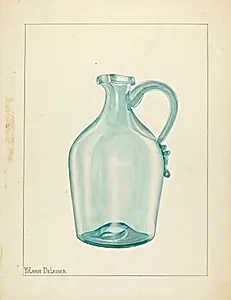
Yolande Delasser was an American artist active during the mid-1930s, best known for her meticulous contributions to the Index of American Design, a Federal Art Project under the Works Progress Administration (WPA). Amid the Great Depression, this ambitious New Deal initiative commissioned artists to document America's rich heritage of folk art and utilitarian objects through precise watercolor renderings. Delasser, possibly a French immigrant, produced hundreds of such drawings, capturing the textures, forms, and historical significance of everyday items from colonial times to the early 20th century. Little is known about her early life or formal training, as biographical details remain sparsely documented.
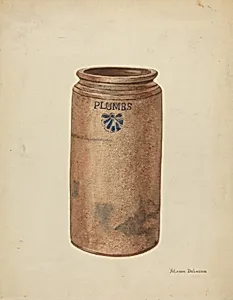
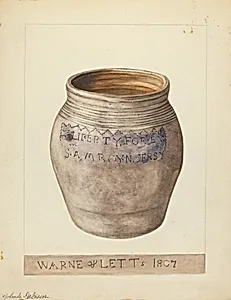
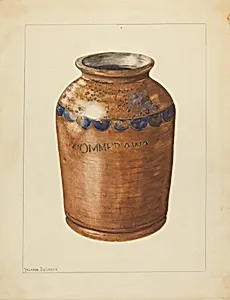
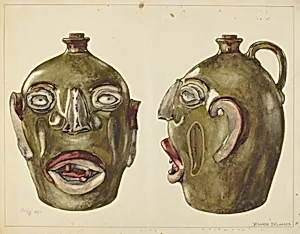
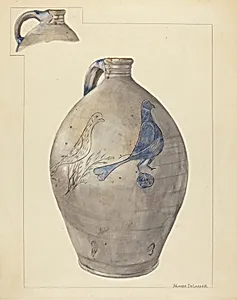
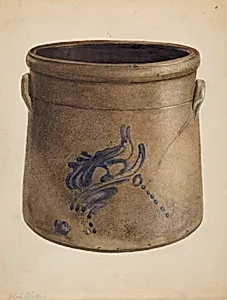
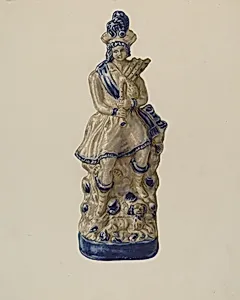
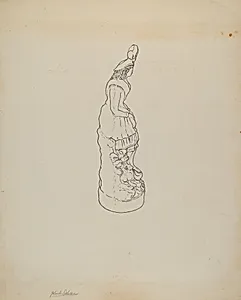
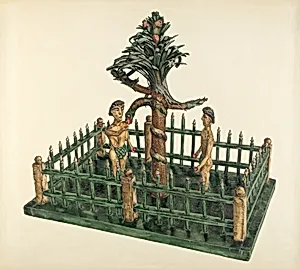
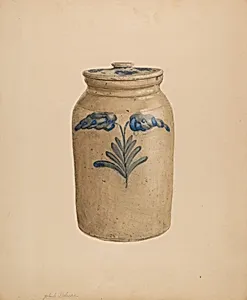
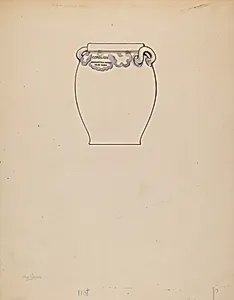
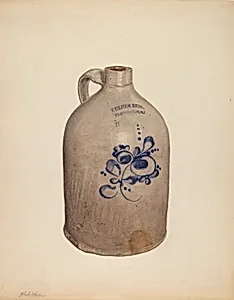
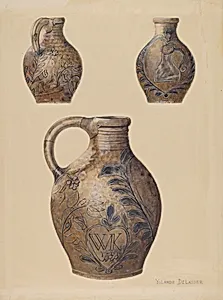
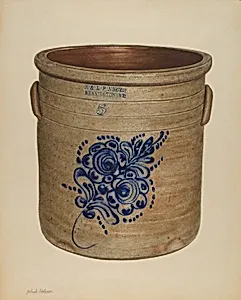
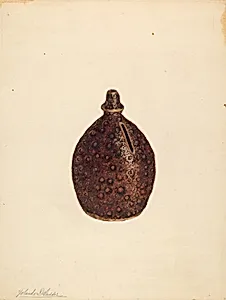
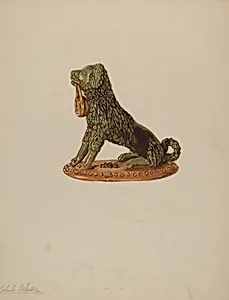
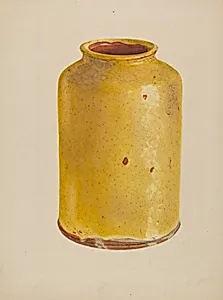
Delasser's artistic style emphasized hyper-realistic detail, employing watercolor, graphite, colored pencil, and occasional gouache on paperboard to evoke the tactile qualities of stoneware, ceramics, and woodwork. Her subjects ranged from humble household wares to whimsical folk sculptures. Notable examples include *Jug* (c. 1937), a yellow stoneware vessel rendered with subtle glaze variations; *Adam and Eve* (c. 1939), a pair of chalkware figures brought to life through scraping techniques for depth; *Crock* (c. 1937), showcasing earthenware's rustic patina; and *Whirligig* (1935–1942), a dynamic weathervane-inspired form. She occasionally collaborated, as seen in a joint *Crock* (c. 1937–1938) with George Loughridge, blending their skills to highlight surface textures and proportions. These works, dated primarily between 1935 and 1942, reflect her immersion in the WPA's New York City project.
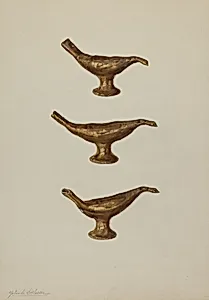
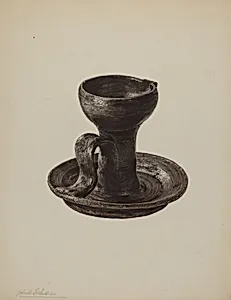
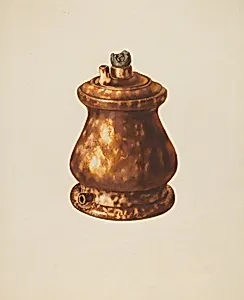
Delasser's legacy endures through the National Gallery of Art's collection of over 160 of her drawings, which serve as a visual time capsule of American material culture. By preserving overlooked artifacts like butter churns, preserve jars, and grease lamps, she helped elevate folk design to national prominence, influencing later studies in American decorative arts. Though often overlooked today—a "completely forgotten" figure in art history—her technical precision and dedication to cultural documentation underscore the vital role of women artists in the WPA era, ensuring these vernacular treasures remain accessible for future generations.