
Ctrl K
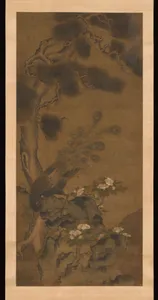
1490–1531
Zhu Duan (1490–1531) was a Chinese painter active during the Ming dynasty, known for his contributions to landscape and bird-and-flower painting traditions. He worked primarily in the early sixteenth century, producing hanging scrolls that reflect the refined aesthetics of the period. While details of his early life and training remain undocumented in historical sources, his output aligns with the scholarly and courtly painting circles of the Ming era.
Duan’s artistic style emphasized delicate brushwork, atmospheric depth, and harmonious compositions typical of Ming literati and professional painters. He excelled in both monumental landscapes and intimate natural scenes, often incorporating elements like rivers, mountains, bamboo, and birds. His works demonstrate a mastery of ink and color techniques that evoke tranquility and seasonal change, continuing the legacies of earlier Song and Yuan masters while adapting them to Ming sensibilities.
Among his notable surviving paintings are *Meeting Along the River* (c. 1492–1518), a landscape scroll now in the collection of the Minneapolis Institute of Art; *Peacock with Pine and Camellia* (dated 1518), represented in the Metropolitan Museum of Art; *Bamboo under the Moon*, held by the British Museum; and *Retreat among Streams and Mountains* at the Nelson-Atkins Museum of Art. These pieces highlight his versatility across genres.
Duan’s legacy endures through his presence in major international museum collections, where his paintings serve as exemplars of early Ming artistic refinement. Though biographical records are limited, his dated works and stylistic consistency affirm his role as a skilled practitioner whose art bridged professional and scholarly traditions of the time.