
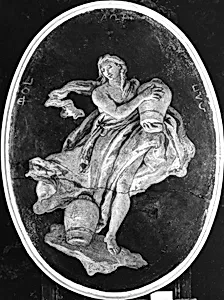
Allegorical Figure Representing Temperance
Medium
Fresco, transferred to canvas
Dimensions
Oval, 55 7/8 x 48 in. (141.9 x 121.9 cm)
Classification
Paintings
Department
European Paintings
Museum
Metropolitan Museum of Art, New York, NY
Credit
Bequest of Grace Rainey Rogers, 1943
Accession Number
43.85.23
Tags
Art Historical Context
Giovanni Battista Tiepolo, leading Venetian Rococo artist of the 18th century, painted this *Allegorical Figure Representingance* around 1760. Known for his exuberant frescoes adorning palaces and churches across Europe, Tiepolo masterfully captured the elegance and lightness of the Rococo style through swirling drapery, soft lighting, and dynamic poses. This oval fresco, originally applied directly to wet plaster for a seamless bond, was later transferred to canvas—a meticulous 19th-century technique that preserved its vibrancy for modern display. Temperance, one of the four cardinal virtues...
About the Artist
Giovanni Battista Tiepolo · 1696–1770
Giovanni Battista Tiepolo (1696-1770) stands as the greatest decorative painter of eighteenth-century Europe, a Venetian master whose luminous frescoes and dynamic compositions defined the Rococo era's aesthetic zenith. Born in Venice on March 5, 1696, to a modest shipping merchant family, Tiepolo's extraordinary talent transcended his humble origins to establish him as the most sought-after artis...