
Altar Cloth
Unknown Artist
18th century
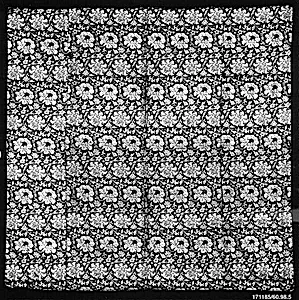
Medium
Silk, metallic thread
Dimensions
33 1/2 x 32 3/4 in. (85.09 x 83.19 cm)
Classification
Textiles-Woven
Culture & Period
Japan · Edo period (1615–1868)
Department
Asian Art
Museum
Metropolitan Museum of Art, New York, NY
Credit
Anonymous gift, 1960
Accession Number
60.98.5
Rights
Public Domain
Tags
Art Historical Context
This exquisite *Altar Cloth* from18th-century Japan, during the Edo period (5–1868), the refined textile arts of the time. Measuring about 33½ x 32¾ inches, it woven from luxurious silk and shimmering metallic threads, creating a nearly square format ideal for draping over a household altar. Floral motifs, a common tag for such pieces, likely adorn its surface, symbolizing beauty, renewal, and spiritual purity in Japanese aesthetics. In the prosperous Edo era, a time of peace and cultural flourishing under the Tokugawa shogunate, textiles like this reached new heights of sophistication. Weavers employed intricate techniques to interlace silk with gold or silver threads, producing a luminous effect that elevated everyday religious practices. These cloths protected sacred objects on butsudan (Buddhist altars) or kamidana (Shinto shelves), blending artistry with devotion in domestic life. Today, housed in the Metropolitan Museum of Art's Asian Art Department as an anonymous 1960 gift, this anonymous masterpiece highlights Japan's mastery of woven textiles. It invites visitors to appreciate how everyday fabrics carried profound cultural weight, bridging the mortal and divine.