
Amulet of Bes
Unknown Artist
1070–664 BC
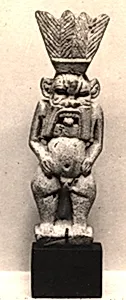
Medium
Faience
Dimensions
h. 6 cm (2 3/8 in)
Classification
Amulet, Bes
Period
Third Intermediate Period
Department
Egyptian Art
Museum
Metropolitan Museum of Art, New York, NY
Credit
Gift of J. Pierpont Morgan, 1917
Accession Number
17.194.2232
Rights
Public Domain
Tags
Art Historical Context
Nestled in the Metropolitan Museum of Art's Egyptian collection, the *Alet of Bes* is a charming faience pendant from Egypt's Third Intermediate Period (0–664 BC). just 6 cm tall, this small glazed ceramic figure captures the grotesque yet protective visage of Bes, a popular household deity. Faience, with its vibrant turquoise hues achieved through a silica-based glaze fired at high temperatures, was prized in ancient Egypt for its and jewel-like sheen, making it ideal for protective talismans worn daily. Bes, depicted with a leonine mane, protruding tongue, and squat, muscular form, embodied fierce guardianship against evil spirits, snakes, and misfortune. Amulets like this one were especially vital for women in childbirth and young children, invoking Bes's apotropaic powers to safeguard the vulnerable. Crafted during a time of political fragmentation following the New Kingdom, such objects reflect the era's emphasis on personal piety and folk religion amid shifting dynasties. A generous gift from J. Pierpont Morgan in 1917, this amulet offers a window into everyday ancient Egyptian spirituality, blending whimsy with profound cultural resonance. Visitors can appreciate how these intimate artifacts bridged the divine and domestic, ensuring Bes's watchful presence in lives both grand and humble.