
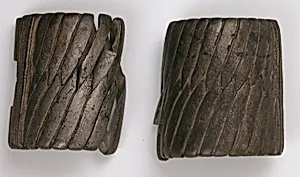
Anklet
Unknown Artist
19th century
Medium
Metal
Dimensions
H. 4 1/2 in. (11.4 cm) W. 3 3/4 in. (9.5 cm) D. 1 1/4 in. (3.2 cm) Wt. 22.4 oz. (635.1 g)
Classification
Jewelry
Department
Islamic Art
Museum
Metropolitan Museum of Art, New York, NY
Credit
Gift of Sir Purdon Clarke, 1907
Accession Number
07.207.2
Rights
Public Domain
Art Historical Context
This elegant 19th-century ank, crafted from metal, hails from the Islamic world and exemplifies the intricate jewelry traditions of the period. Measuring 4½ inches high,3¾ inches wide, 1¼ inches deep with a substantial weight of22.4 ounces, suggests robust construction—likely silver or a similar alloy—designed for durability and presence on the wearer. Displayed in the Metropolitan Museum of Art's Islamic Art department, it highlights the artistry of anonymous craftsmen who blended functionality with ornamental appeal. In Islamic cultures, anklets like this were often worn by women to accentuate movement and denote social status or marital bonds, jingling softly with each step to add a rhythmic charm to daily life or celebrations. The piece's generous size and heft reflect techniques such as casting, hammering, or engraving, common in regional workshops from the Ottoman Empire to Persia or North Africa, though its exact origin remains a tantalizing mystery. A generous gift to the Met in 1907 from Sir Purdon Clarke, a pioneering collector and museum director, this anklet invites visitors to ponder the lives of its wearers—stories etched in silent metal, bridging centuries of cultural splendor.