
Architectural molding
Unknown Artist
ca. 1670
Medium
Pine
Dimensions
Overall: 46 3/4 × 56 9/16 in. (118.7 × 143.6 cm) Sight: 37 13/16 × 47 13/16 in. (96 × 121.5 cm) Rabbet: 39 15/16 × 49 13/16 in. (101.5 × 126.5 cm)
Classification
Frames
Culture
British
Department
Robert Lehman Collection
Museum
Metropolitan Museum of Art, New York, NY
Credit
Robert Lehman Collection, 1975
Accession Number
1975.1.2346
Rights
Public Domain
Art Historical Context
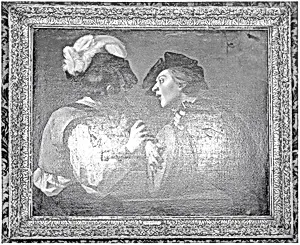
This exquisite architectural molding, crafted from pine around 1670, exemplifies the refined woodworking traditions of late 17th-century Britain. nearly four feet across, its generous dimensions suggest it was designed to frame a substantial painting or serve as an ornate architectural element in a grand interior. The "sight" and "ret" measurements indicate precise joinery tailored for securely holding artwork, highlighting the era's meticulous craftsmanship in creating frames that enhanced rather than overshadowed their contents. During the Restoration period under Charles II, British decorative arts flourished with bold, sculptural forms influenced by continental Baroque styles. Pine, a lightweight yet durable wood, was a practical choice for such moldings, often carved, gilded, or painted to mimic costlier materials like oak or exotic imports. Though the artist remains unknown, this piece reflects the skilled anonymous artisans who elevated everyday architecture into art, bridging painting and interior design. Now part of the Robert Lehman Collection at The Metropolitan Museum of Art, this molding offers a window into elite British homes of the time, where opulent framing underscored cultural sophistication and wealth. Visitors can appreciate how such frames transformed spaces, turning walls into stages for storytelling through art.