
Armorial window
Unknown Artist
1734
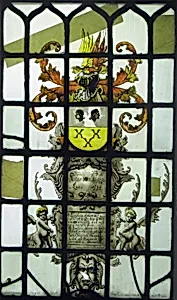
Medium
Stained glass
Dimensions
Overall: 27 3/4 × 16 1/2 in. (70.5 × 41.9 cm)
Classification
Glass-Stained
Culture
Dutch
Department
European Sculpture and Decorative Arts
Museum
Metropolitan Museum of Art, New York, NY
Credit
Bequest of George D. Pratt, 1935
Accession Number
41.170.12
Rights
Public Domain
Art Historical Context
Welcome to the Metropolitan Museum of Art's European Sculpture and Decorative Arts, where you'll find the striking *Armorial Window* from 1734. This Dutch stained glass panel, measuring 27¾ × 16½ inches, showcases a heraldic coat of arms—a symbol of family lineage, status, and pride common among the prosperous burgher class during the Dutch Republic's waning years. Created by an unknown artist, it reflects the enduring tradition of armorial glass in Northern Europe, often installed in grand homes, civic buildings, or churches to proclaim identity and heritage. Stained glass, a medium with roots in medieval cathedrals, reached refined heights in the 18th century through techniques like pot-metal coloring—where metal oxides tint the glass during firing—and enamel painting for intricate details on the leaded framework. This window's vibrant hues and precise heraldry highlight Dutch craftsmanship, blending functionality with artistry amid the Enlightenment's emphasis on personal legacy. Bequeathed by George D. Pratt in 1935, this piece offers a glimpse into 18th-century Dutch society, where such windows adorned spaces of power and remembrance. Pause here to admire how color and symbol endure through centuries of light.