
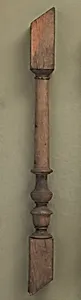
Baluster
Unknown Artist
late 17th–early 18th century
Medium
Pine
Dimensions
Height: 26 in. (66 cm)
Classification
Woodwork
Culture
British
Department
European Sculpture and Decorative Arts
Museum
Metropolitan Museum of Art, New York, NY
Credit
Rogers Fund, 1932
Accession Number
32.106.26
Rights
Public Domain
Art Historical Context
Welcome to the European Sculpture and Decorative Arts, where this elegant **Baluster** from 17th–early 18th-century Britain invites you to glimpse the refined craftsmanship of the period. Carved from pine—a lightweight yet durable wood favored for its workability—this 26-inch (66 cm) vertical was designed to support handrails on staircases, balconies, or furniture. Acquired through the Rogers Fund in 2, it exemplifies the intricate woodwork that adorned British homes and public spaces during the transition from Baroque opulence to the more restrained Georgian style. Artisans employed skilled turning techniques on a lathe to shape the baluster's rhythmic swells and slender contours, creating a harmonious rhythm that guided the eye upward. Pine's fine grain allowed for precise detailing, often finished with paint or gilding to mimic costlier woods like mahogany. Such balusters were not mere supports but status symbols, reflecting the growing emphasis on architectural symmetry and domestic comfort in post-Restoration England. This humble yet sophisticated piece highlights the everyday artistry of British decorative traditions, bridging sculpture and architecture. Pause here to imagine it in a grand townhouse, whispering tales of 300-year-old elegance.