
Bank Note Design
Classification
numismatics
Department
Smithsonian Collection
Museum
Smithsonian American Art Museum
Credit
Gift of Mrs. Walter Shirlaw
Accession Number
1912-16-86
Rights
Public Domain
About this artwork
Research in Progress
Art Historical Context
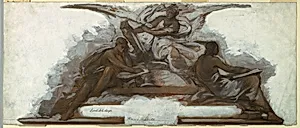
Walter Shirlaw's *Bank Note Design* (. 1895) offers a fascinating glimpse into the intricate world of late 19th-century American currency artistry. Born in Scotland and later becoming a prominent American illustrator, Shirlaw was renowned for his meticulous wood engravings and contributions to magazines like *Harper's Weekly*. This piece, classified under numism at the Smithsonian American Art Museum, likely represents a conceptual study for paper money—a critical endeavor during an era of economic expansion and concerns over counterfeiting following the Civil War. Banknote designs of this period demanded exceptional precision, blending fine-line techniques with symbolic motifs to deter forgery while evoking national pride. Shirlaw's background in illustration made him ideally suited for such work, where allegorical figures, vignettes, and ornamental borders conveyed themes of commerce, liberty, or industry. Though the exact medium remains unidentified amid ongoing research, its donation by Mrs. Walter Shirlaw underscores a personal legacy, preserving his exploratory sketches within the Smithsonian's collection. This artwork highlights the overlooked artistry behind everyday currency, bridging fine art and functional design in Gilded Age America. Visitors can appreciate how creators like Shirlaw elevated security features into aesthetic triumphs.